March 15, 2024
3 mins read

MP warns of ‘explosion’ in unreported Islamophobia

A recent poll conducted by Hope Not Hate revealed that 58 percent of Conservative Party members believe Islam to be a threat to the British way of life…reports Asian Lite News

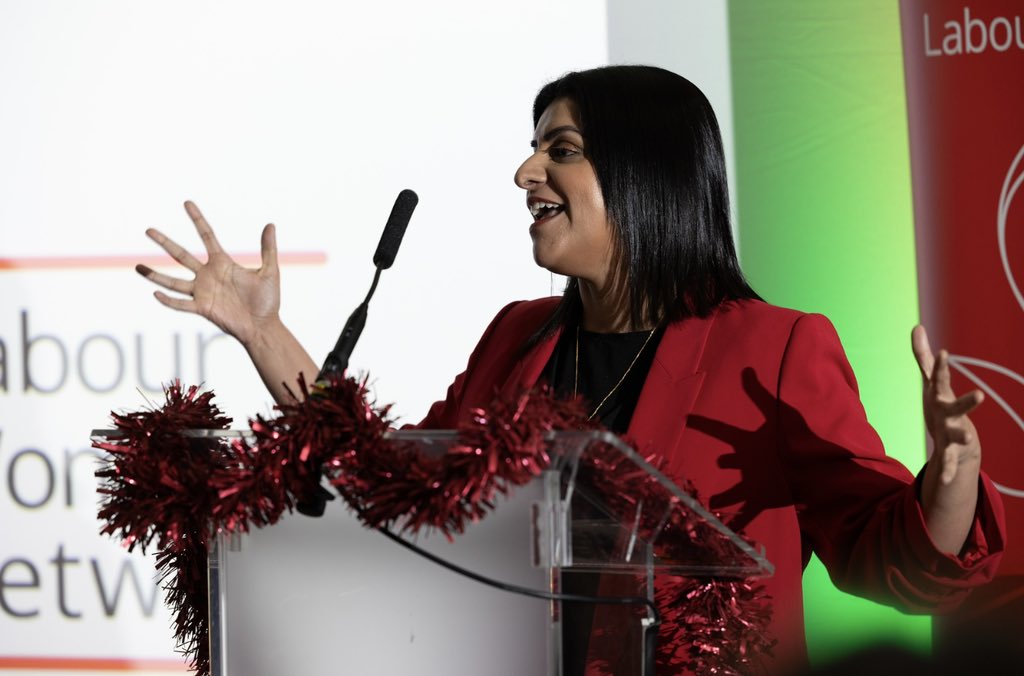
A senior politician has warned of an “explosion” of unreported Islamophobia in the UK. Shadow Justice Secretary Shabana Mahmood said: “In my constituency, people report it to me but not the police. They kind of just put it down to the price you pay for being a Muslim in this country, (but) reporting is then what drives police policy, social policy and potential legislation. We all have a role to play.”

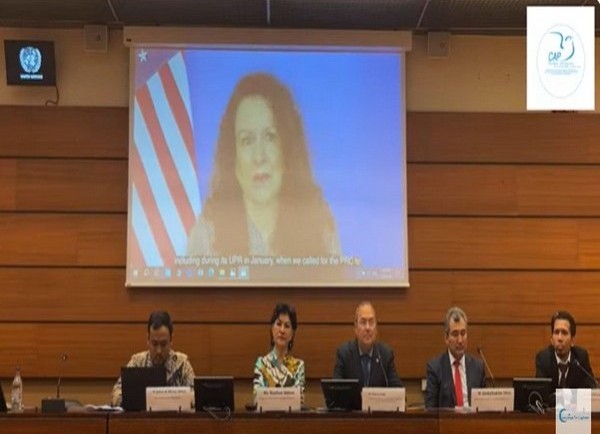
Mahmood was speaking at a panel discussion after a screening of the film “HIJABI” by award-winning documentary-maker Samir Mehanovic.

The film, released to coincide with International Women’s Day and International Day to Combat Islamophobia, documents the lives of five British women and their experiences with Islamophobia, including one forced to flee the UK after she was assaulted.

Mahmood said: “Islamophobia has passed the dinner party test — it’s seen as acceptable. This is not just a Muslim problem, it should be addressed by all of society.”

The UK has witnessed a 365 percent surge in anti-Muslim hate incidents since the Oct. 7 Hamas attack on Israel.

According to Tell Mama, an organization dedicated to fighting Islamophobia, 65 percent of all incidents target women, with those who wear a hijab or niqab especially vulnerable.

Afzal Khan, an MP with the main opposition Labour Party, told the panel: “With Islamophobic hate crime having trebled since October and senior members of the Conservative Party spouting Islamophobia through the media in recent weeks, there has never been a more pressing time to listen to the testimonies of visibly Muslim women in Britain.”

MP Lee Anderson, former deputy chair of the Conservatives, was suspended by the party last month for refusing to apologize for claiming that Islamists had “got control” of London Mayor Sadiq Khan.

A recent poll conducted by Hope Not Hate revealed that 58 percent of Conservative Party members believe Islam to be a threat to the British way of life.

A government spokesperson told The Independent: “British Muslim women make a huge contribution to the United Kingdom and in strengthening the ties that bind our country together.

“It is unacceptable for anyone to feel unsafe while practicing their religion and we take a zero-tolerance approach to anti-Muslim hatred.

“We expect the police to fully investigate all hate crimes and work with the Crown Prosecution Service to make sure the cowards who commit these abhorrent offences feel the full force of the law.”

Former Labour councillor Shaista Aziz, who resigned from the party over the leadership’s position on Israel’s ongoing military campaign in Gaza, told the panel: “When it comes to Islamophobia, there’s rightly lots of focus on the government and what they are doing and not doing. There’s no focus though on the man who wants to become the next leader of this country: Keir Starmer.

“Labour can talk about equalities until the cows come home. However, the proof is there: anti-Black racism, Islamophobia and a hierarchy of racism.” She added: “These things cannot be brushed under the carpet.”

A recent poll by the Labour Muslim Network reported that the party’s support within the UK’s Muslim community had dropped from 86 percent at the time of the last general election in 2019 to around 60 percent, with many citing Gaza as the reason.

ALSO READ-Scully’s comment adds to Islamophobia row

Previous Story

India, Singapore Ink Deal For Cooperation in Law, Dispute Resolution

Next Story

Cricket Ascends to New Heights!

Previous Story

India, Singapore Ink Deal For Cooperation in Law, Dispute Resolution

Next Story

Cricket Ascends to New Heights!

Latest from -Top News

Pakistan Risks Overstretching Itself in Yemen War

Pakistan’s expanding military role in Saudi Arabia amid the Yemen conflict could strain its defence resources and fragile finances…reports Asian Lite News Desk Pakistan’s military involvement in the war in Yemen may prove unsustainable because of mounting financial pressures and competing security demands, according to a new report. Islamabad’s growing military presence in Saudi Arabia risks stretching its defence resources while exposing the country to greater strategic and economic challenges. An article by Andrew Wilson in One World Outlook describes Pakistan’s involvement as a case of “fiscal and strategic overreach”, arguing that the country lacks the financial flexibility to sustain an expanded military commitment. Pakistan’s external finances depend heavily on an International Monetary Fund (IMF) programme, financial support from Gulf countries and remittances from Pakistani workers in the region. The report argues that deeper military involvement in the conflict could place additional pressure on these sources of financial stability. It also warns that deploying troops and military equipment abroad could weaken Pakistan’s capacity to address security challenges along its eastern border and deal with two domestic insurgencies. The move could also draw Islamabad into a conflict it has sought to approach cautiously. A Reuters report in May, citing Pakistani security and government sources, said Islamabad had deployed around 8,000 troops, a squadron of approximately 16 aircraft, mostly JF-17 fighter jets, two drone squadrons and a Chinese HQ-9 air-defence battery to Saudi Arabia. According to those sources, Riyadh was financing the deployment, with Pakistani personnel operating the equipment. The sources also said a confidential agreement contemplated the possibility of deploying up to 80,000 troops. Islamabad has not confirmed those figures, although it has acknowledged its military presence in Saudi Arabia, including the deployment of fighter jets at King Abdulaziz Air Base from April. The One World Outlook article argues that Saudi financial support can cover allowances and operating expenses but cannot easily replace military equipment needed elsewhere or resolve the political and strategic challenges of participating in the Yemen conflict. Pakistan’s defence budget is another concern. For the 2026-27 financial year, the federal government allocated PKR 3 trillion, or approximately $10.8 billion, to defence services. The allocation represents an 18 per cent increase from the original PKR 2.55 trillion provision and amounts to around 2.1 per cent of projected gross domestic product (GDP). Defence spending accounts for approximately 16 per cent of the federal government’s PKR 18.8 trillion expenditure. Military pensions are budgeted separately at PKR 822 billion, while debt servicing costs stand at approximately PKR 8 trillion, more than two-and-a-half times the defence allocation. The report argues that these competing financial obligations leave little room for additional military expenditure without placing further pressure on public finances. Pakistan’s reliance on IMF assistance also limits its fiscal flexibility. The country must meet the conditions attached to the programme, including a primary budget surplus target of 2 per cent of GDP and continued restraint on development spending. According to the article, these requirements make it difficult for Islamabad to finance an additional military commitment without compromising other budgetary priorities. Pakistan’s economic indicators offer limited reassurance. Economic growth for the 2025-26 financial year is estimated at between 3.6 and 3.7 per cent, while inflation reached approximately 10.3 per cent in September following an energy price shock. Foreign exchange reserves stood at around $21.5 billion at the end of September. Although this marks an improvement from the low levels recorded in 2023, the report notes that the reserves cover only a few months of imports. Financial assistance from Gulf partners remains central to Pakistan’s external stability. The article says Islamabad holds approximately $8 billion in Saudi deposits at its central bank. In July, the State Bank of Pakistan said Riyadh had extended the maturity of $5 billion in deposits to December 2028, easing the country’s immediate external financing requirements. A further $3 billion deposit was also extended in the spring. However, the article argues that these arrangements provide temporary relief rather than long-term financial independence, particularly as regional conflict threatens the stability of the Gulf economies on which Pakistan relies. The report concludes that Pakistan faces a difficult balance between supporting Saudi Arabia militarily and preserving the financial and military resources needed to address its domestic and regional challenges.

UK and Germany Ratify Kensington Treaty

Britain and Germany ratify the Kensington Treaty, agreeing new cooperation on AI, quantum research, defence and security while targeting investment, jobs and Russian hybrid threats…reports Asian Lite News Desk Britain and Germany

Economic tide is turning in Bangladesh

If there is one thing that can bring some comfort to the struggling Bangladeshi economy, it is good relations with India. Bangladesh should remember that Delhi’s backing, through easy supplies of essentials
Go toTop

Don't Miss

Armed forces not ready for high-intensity war, MPs warn

The MPs said they were “increasingly concerned” about a “crisis”

Gujarat, MP faces flood-like situation

While seven people died in Gujarat, Madhya Pradesh’s capital Bhopal