The government previously ruled out paying reparations for slavery and Downing Street said its position included “other forms of non-financial reparatory justice too”. ..reports Asian Lite News
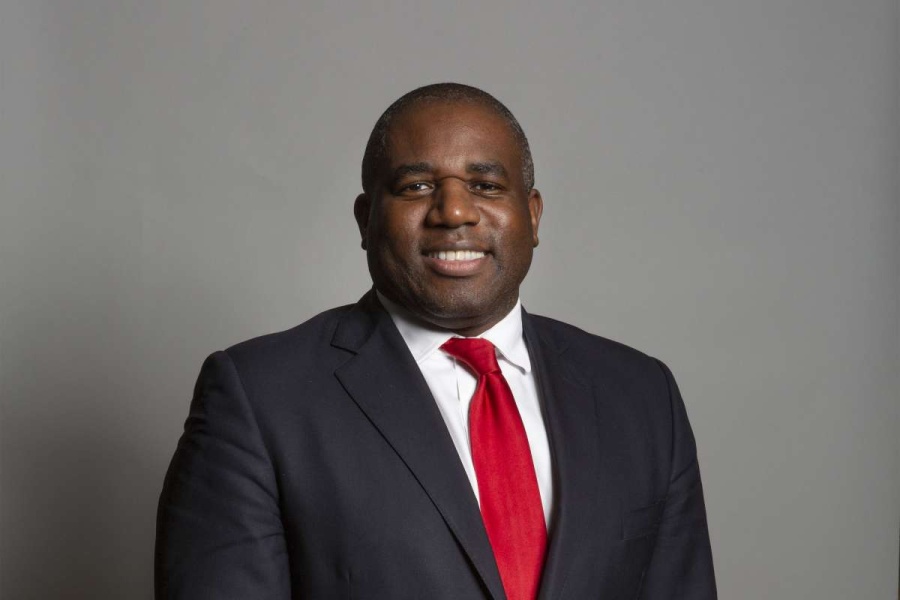
Foreign Secretary David Lammy has said the concept of reparations for former colonial nations affected by slavery “is not about the transfer of cash”.
In his first comments since 56 Commonwealth leaders signed a statement saying the time had come for a conversation about reparations, Lammy said that was not “the debate people are wanting to have”.
The government previously ruled out paying reparations for slavery and Downing Street said its position included “other forms of non-financial reparatory justice too”.
Lammy said the UK would instead look to develop relations with African nations through sharing skills and science.
During his first visit to Africa as foreign secretary, Lammy said reparations were not about money, “particularly at a time of a cost of living crisis”.
Reparations are measures to make amends for past actions deemed wrong or unfair, and can range from the financial to symbolic.
Caribbean nations have made a 10-point plan for reparatory justice in which they call for a full formal apology, education programmes, healthcare and direct monetary payments.
Speaking in Lagos, a Nigerian port city once central to the transatlantic slave trade, the foreign secretary said the period was “horrific and horrendous” and had left “scars”. “I am the descendant of enslaved people, so I recognise that.”
Lammy said it was right that an apology had been made “and we commemorated the abolition of the slave trade” when Labour was last in power. The UK has never formally apologised for its role in the slave trade, though in 2007 then-Labour Prime Minister Tony Blair said: “Well actually I have said it: We are sorry. And I say it again now.”
The British government and the monarchy played a key role in the centuries-long slave trade from 1500, alongside other European nations. Britain also had a key role in ending the trade, through Parliament’s passage of a law to abolish slavery in 1833.
Lammy’s remarks followed the discussion of reparations at a summit of Commonwealth leaders in Samoa in October. Amid growing calls from Commonwealth heads of government to pay reparations for the country’s role in the slave trade, Downing Street had insisted the issue would not be on the table.
But Keir Starmer later signed a document calling for talks on “reparatory justice” alongside other Commonwealth leaders – though he said there had been no discussions about money at the meeting. Lammy said he believed developing nations would benefit as part of that through things such as the transfer of technical skills and science expertise from the UK.
He said the UK needed “a new approach to Africa” and that he wanted to launch a five-month consultation period with African nations. He said much had changed since the last Labour government, where the focus was “largely on development”. He said he hoped to see more partnership between the UK and African nations.
“What I’ve heard is that the UK has stepped back somewhat over the last few years. There’s much that I think we can do together over the coming months and years.”
Asked about other issues relating to Africa, Lammy said the conflict in Sudan was of “tremendous concern” and that he planned to make it a priority in November, when the UK has the rotational presidency of the United Nations Security Council.
He said the loss of life was “unbelievable and outstrips other conflicts around the world”, and planned to raise the humanitarian situation and plans for a “peaceful outcome”.
He added that it had been a “huge concern that Sudan has not commanded the international attention that it requires,” given the “huge implications” in Africa and beyond.
ALSO READ: STARMER STRIKES BACK