Last month, Sunak faced calls from three former defence secretaries to pledge an increase to 3% of GDP on the armed forces in the Tory election manifesto…reports Asian Lite News
Britain will boost its defence spending to 2.5% of national output by the end of the decade, Rishi Sunak has announced on a visit to Poland, as he warned the UK had to be equipped to meet the challenges of an increasingly dangerous world.
The prime minister’s plan, under which the UK would steadily increase defence spending to £87bn a year by 2030, comes after months of pressure from Tory MPs, including the defence secretary, Grant Shapps, to increase military spending to help counter the threat from Russia.
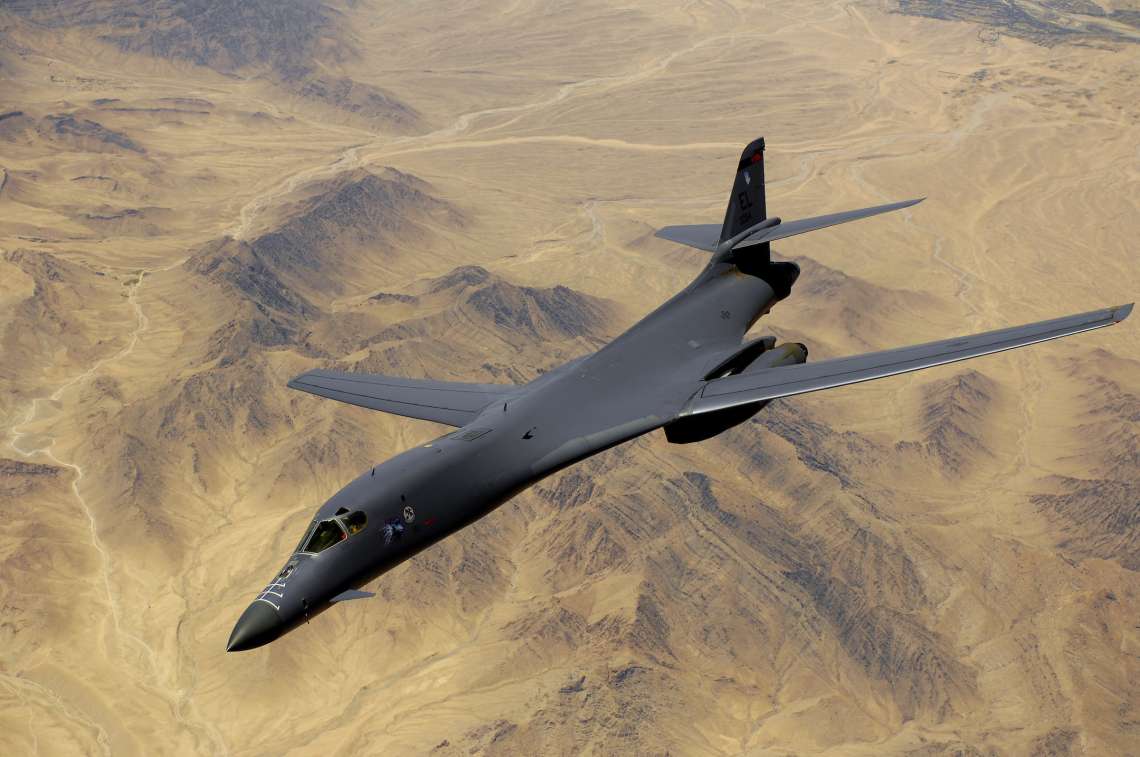
The military commitment, described by Sunak as the “biggest strengthening of our national defence in a generation”, means the UK would spend a cumulative extra £75bn on core defence funding over the next six years.
In a speech alongside the Nato secretary general, Jens Stoltenberg, in Warsaw, Sunak said Europe was at a turning point as he urged allies to step up to match the commitment of the UK, which will become the second largest contributor to Nato after the United States.
“In a world that is the most dangerous it has been since the end of the cold war, we cannot be complacent. As our adversaries align, we must do more to defend our country, our interests, and our values,” he said.
“Today is a turning point for European security and a landmark moment in the defence of the United Kingdom. It is a generational investment in British security and British prosperity, which makes us safer at home and stronger abroad.”
Downing Street said the plan was fully funded, moving from an aspiration to spend 2.5% by an unspecified date, when the economic circumstances allowed, to a costed commitment to do so in 2030. The UK currently spends 2.32% of gross domestic product on defence.
It is unclear whether an incoming Labour government would stick to Sunak’s commitment. Keir Starmer said last week that Labour would aim to raise the UK’s defence spending to 2.5% of GDP “as soon as resources allow” if it won the election.
Boris Johnson pledged at a Nato summit in June 2022 to increase UK military spending to 2.5% of gross domestic product by the end of the decade as part of a strengthening of Nato defences in response to the threat from Russia.
Last month, Sunak faced calls from three former defence secretaries – Michael Fallon, Gavin Williamson and Ben Wallace – to pledge an increase to 3% of GDP on the armed forces in the Tory election manifesto.
Government sources said the funding would be used to put the UK’s defence industry on “a war footing” and deliver cutting-edge technology to equip the west to stand up to autocratic states such as Russia, Iran and China, which were working together to undermine democracies.
It includes an additional £10bn over the next decade on munitions production, further pledges to reform defence procurement and the creation of a new defence innovation agency with at least 5% of the defence budget to be committed to R&D.
It would also cover an additional £500m in military funding for Ukraine from Treasury reserves, which was announced by Sunak before the trip and takes the total to £3bn this financial year.
Earlier, the prime minister appointed Gen Gwyn Jenkins, a former special forces commander who is vice-chief of the defence staff, as his new national security adviser.
He will be the first armed forces veteran to serve in the role and replaces Tim Barrow, who is expected to become the next UK ambassador to Washington at the end of this year.
Labour, however, has warned it could reverse Barrow’s appointment if it wins the election, arguing that the next UK government should make decision over who takes on Britain’s most senior diplomatic posting.
The chancellor, Jeremy Hunt, also on the trip with Sunak and Shapps, said: “It speaks to Britain’s global role that, with an improving economy, we are able to make this commitment to peace and security in Europe.
“It also sends the clearest possible message to Putin that as other Nato European countries match this commitment, which they will, he will never be able to outspend countries that believe in freedom and democracy.”
Earlier, on the flight to Poland, Sunak said: “It’s important that we continue to support Ukraine and the UK has always led in that. Again we’re stepping up because that is what the situation demands and requires.
The prime minister welcomed the decision by the US House of Representatives, after months of stalling, to finally approve a US $61bn package of new military aid for Ukraine.
But he added: “That doesn’t take away from the need for Europeans to invest in their security. I am very proud that the UK has always led in that regard.”
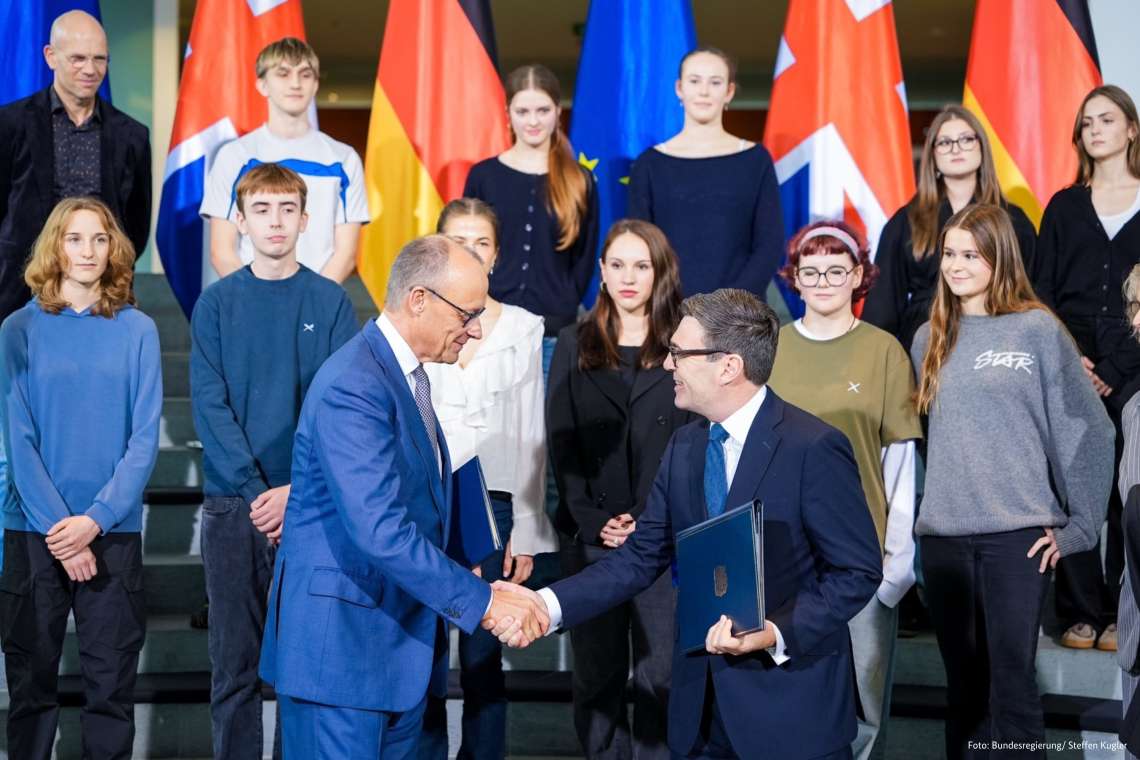
Sunak, who will visit Germany later on his first visit as prime minister, is expected to be asked for assurances on British defence spending from the German chancellor, Olaf Scholz, after decades of real-terms cuts.
Berlin is expected to finally meet its Nato target to spend 2% of GDP on defence after Russia’s invasion of Ukraine, with Germany’s weapons commitments to the war now almost twice the size of Britain’s, and Scholz regularly urging European states to ramp up their military spending.
ALSO READ-Antisemitism row: Met police chief praises officer’s conduct