Inflation, rising household costs and Trump’s trade and foreign policies dominate voter concerns as Americans decide control of Congress in crucial midterm elections…reports Asian Lite News Desk
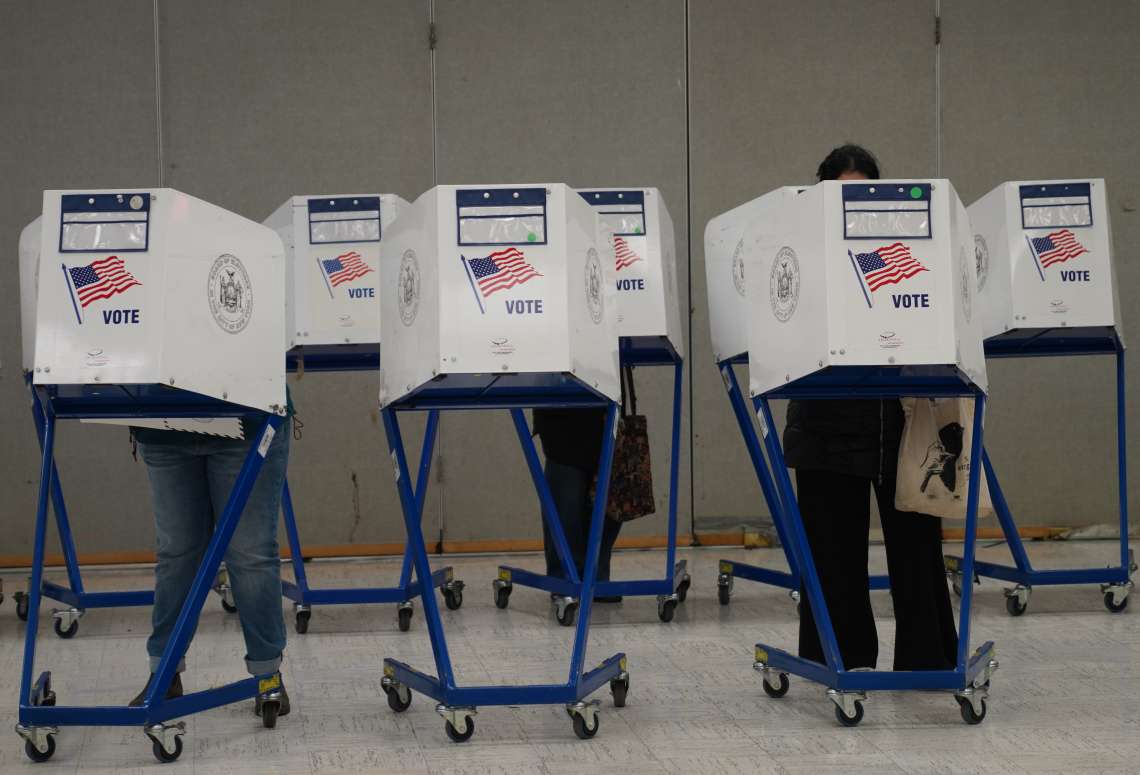
Economic concerns, rising living costs and President Donald Trump’s trade and foreign policies have become major issues as Americans vote in midterm elections that could reshape the balance of power in Congress.
Despite strong economic growth, household frustration over affordability and higher expenses has weakened consumer confidence, creating a challenge for Trump and his Republican Party.
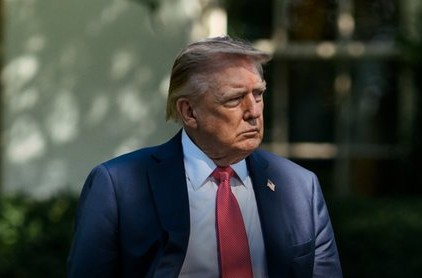
The election is widely viewed as a referendum on Trump’s first 21 months in office, marked by sweeping import tariffs and the conflict with Iran, both of which have contributed to uncertainty over prices and the cost of living.
The US economy expanded by 3.8 per cent in the July-September quarter, while consumer spending and investment remained relatively strong. However, these figures have not eased concerns among households.
Inflation reached 3.7 per cent in September, with higher food, energy and everyday expenses adding to financial pressures. Petrol prices have also increased since the conflict with Iran began, affecting household budgets.
The University of Michigan’s Index of Consumer Sentiment has recorded a sharp decline, reflecting growing dissatisfaction with economic conditions. Labour economist Kathryn Anne Edwards said 74 per cent of Americans believed the government was doing a poor job managing the economy.
Economists say the gap between economic growth and household experiences has become increasingly important for voters, with inflation and housing affordability taking precedence over stock market performance.
Trump’s tariffs have also contributed to concerns. A Federal Reserve Bank of New York analysis found that import duties had pushed up consumer goods prices. Researchers Mary Amiti, Sebastian Heise and David E Weinstein estimated that tariffs added 2.9 percentage points to goods price inflation by February 2026. Without the tariffs, goods prices would have declined slightly, they said.
The conflict with Iran has added further pressure through higher energy costs, intensifying concerns about the administration’s economic and foreign policy decisions.
Opinion polls indicate that Democrats are seeking to regain control of the House of Representatives, while the Senate remains competitive.
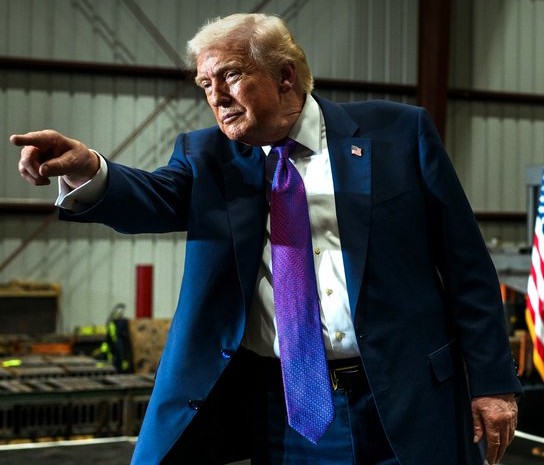
Trump held 30 rallies across 20 states during the 32-day campaign, defending his record and urging supporters to back Republican candidates. At his final rally, he acknowledged that the party of a sitting president traditionally faces difficulties in midterm elections.
The results could influence Trump’s ability to pursue his economic agenda during the final two years of his presidency. A change in congressional control could also increase scrutiny of tariffs, government spending and other administration policies.
For businesses and investors, the election carries implications for trade policy, energy markets and government spending. With affordability dominating the economic debate, the vote will offer an indication of how Americans view the administration’s handling of the economy.
ALSO READ-Epic Fury 2.0? Trump threatens fresh Iran strikes as Tehran vows retaliation