Extortion, weak investment and troubled bank loans are adding to the challenges facing businesses and workers…reports Asian Lite News Desk
Bangladesh’s economy remains trapped in a cycle of political confrontation, corruption, extortion and capital flight, with the four interconnected problems reinforcing persistent poverty and obstructing sustainable growth, according to a report by The Financial Express.
The Bangladesh-based publication said isolated economic reforms were unlikely to deliver lasting results unless the underlying institutional weaknesses were addressed together.
“Recapitalising troubled banks without confronting politically connected lending may restore liquidity without accountability,” the report said, highlighting the limitations of financial measures that do not tackle the causes of economic mismanagement.
Political confrontation was identified as the first of the four traps, creating uncertainty, disrupting business activity and weakening institutions. According to the report, this environment allows corruption and other economic distortions to persist.
Corruption, meanwhile, thrives through links between politicians and bureaucrats, affecting the allocation of credit, government contracts and licences. The report said politically connected individuals and businesses could benefit from these arrangements, while productive sectors struggle to obtain financing.
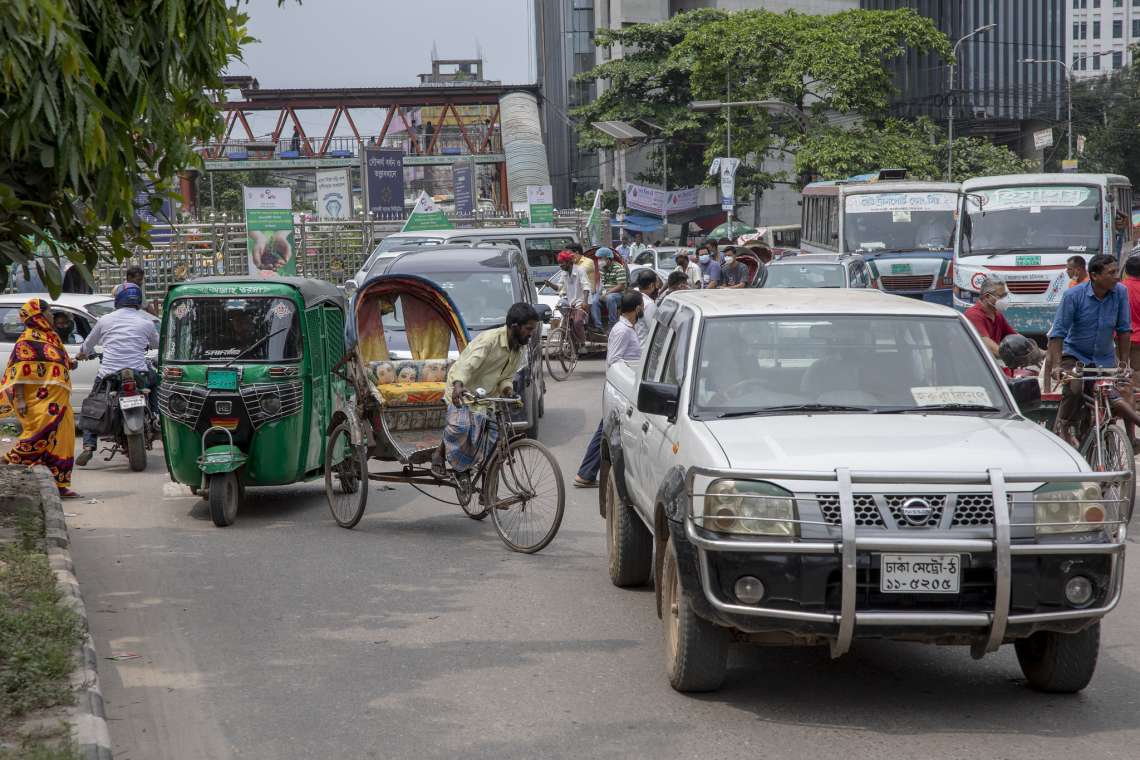
Extortion adds another burden by increasing production and distribution costs for businesses and informal workers. These additional expenses are often passed on to consumers, placing further pressure on low-income households.
The report cited an estimate by Transparency International Bangladesh that private buses and minibuses pay nearly Tk 10.59 billion annually in extortion.
It also highlighted the economic consequences of political unrest. During the hartals and blockades between late October and November 2023, the president of the Federation of Bangladesh Chambers of Commerce and Industry estimated that the economy was losing Tk 65 billion a day.
Capital flight represents the fourth trap, draining resources that could otherwise support domestic investment, business expansion and job creation. The report also described it as a means through which wealth generated through illegal activities can be moved out of the country.
Investment and banking weaknesses deepen concerns
The report pointed to declining foreign investment and persistent weaknesses in the banking sector as further constraints on Bangladesh’s economic prospects.
According to World Bank figures cited in the report, net foreign direct investment in the 2025-26 financial year fell by 15 per cent to approximately $1.5 billion, equivalent to just 0.3 per cent of gross domestic product.
The report said limited foreign investment, weak private-sector credit growth and a high proportion of non-performing loans were restricting the economy’s capacity to generate employment and sustain growth.
Bangladesh’s non-performing loan ratio stood at 33.2 per cent, according to the figures cited in the report. Such a high level of troubled loans can constrain banks’ ability to extend fresh credit to businesses and productive sectors.
The publication argued that these conditions leave limited room for sustained employment growth, particularly when businesses face political uncertainty, additional operating costs and difficulties accessing finance.
The four traps are closely linked, the report said. Political confrontation can weaken institutions, creating opportunities for corruption and extortion, while capital flight drains resources needed for investment and economic development. Together, these factors contribute to persistent poverty.
Addressing the challenges would therefore require reforms that go beyond individual policy measures and tackle the institutional weaknesses connecting them. Without coordinated action, efforts to strengthen banks, attract investment and expand employment could deliver only limited results, the report warned.