Rising living costs, dwindling savings and mounting household debt are adding to the country’s economic pressures….reports Asian Lite News Desk
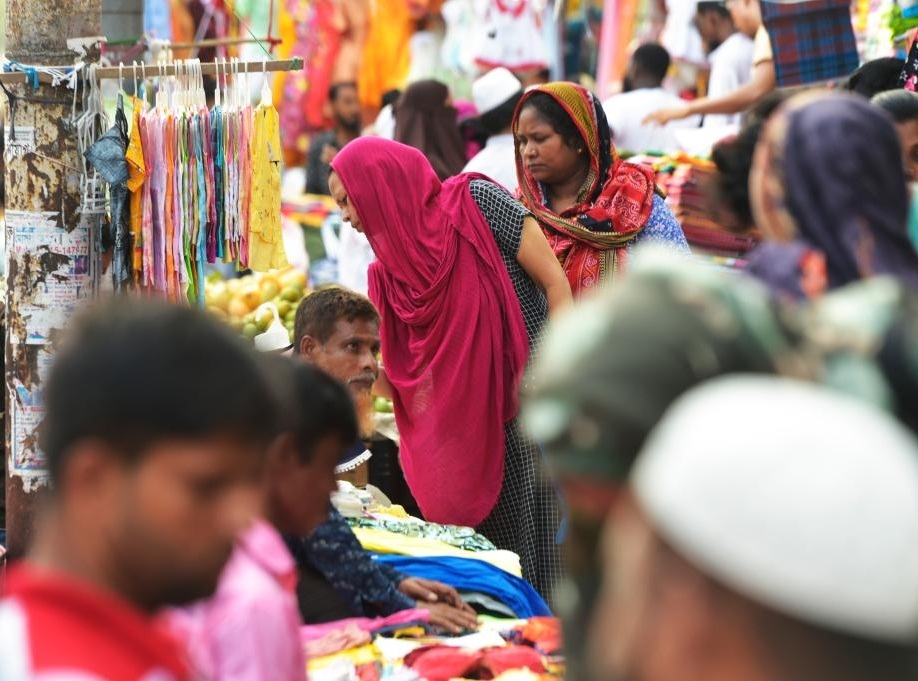
Persistent inflation has pushed an estimated 8 million to 10 million people in Bangladesh below the poverty line, as households struggle with rising living costs, dwindling savings and mounting debt, according to a new report.
The report by Cyprus-based publication Traders Union cited Rashed Al Mahmud Titumir, the Prime Minister’s adviser on finance and planning, who said the country was navigating a critical economic transition amid high inflation, rising unemployment and weak private-sector investment.
Titumir said the government had inherited a fragile economy, with pressures on household finances intensifying as the purchasing power of low- and middle-income groups continued to weaken.
The report said declining purchasing power was compounding unemployment and energy insecurity, adding to the economic challenges faced by households.

Youth unemployment, particularly among educated people, remains a major concern, Titumir said. He added that tensions in the Middle East had pushed up fuel prices, further increasing economic pressure.
Titumir also alleged that cronyism and patronage had weakened the country’s economic system. He said nearly $40 billion was needed to repair the banking sector, highlighting the scale of the challenge facing the financial system.
He stressed the need to reform education and develop a skilled workforce to tackle unemployment. The government plans to allocate 2 per cent of gross domestic product to education, he said.
Citing a World Bank report, Titumir highlighted the government’s family-card and farmer-card initiatives as measures aimed at reducing poverty. He said the initiatives had been recognised by the International Monetary Fund and the World Bank.
He also raised concerns about misleading information and distorted GDP data circulating on social media.
Also Read: Hasina’s Son Alleges US Role in Bangladesh Ouster
On energy policy, Titumir criticised the previous administration for failing to “expand solar energy, explore domestic gas resources and ensure sustainable energy security”. He argued that a stronger energy policy was essential to attracting investment and creating jobs.
He also highlighted the need for Bangladesh to expand renewable energy and reduce its dependence on imported fuel, amid growing concerns over energy costs and security.
The findings come amid wider evidence of financial pressure on Bangladeshi households. A separate report, citing a special survey by the Bangladesh Bureau of Statistics, said 47.42 per cent of households across the country had fallen into debt as living costs surged while earnings remained stagnant. Most of the affected households were in rural areas.
The figures underline the pressure that rising prices and limited income growth are placing on household finances, with debt increasingly being used to meet everyday expenses.