Chinese companies are expanding their global footprint through acquisitions of strategic assets, from industrial technology and European ports to African mineral resources…writes Dr Mohan Sharma…
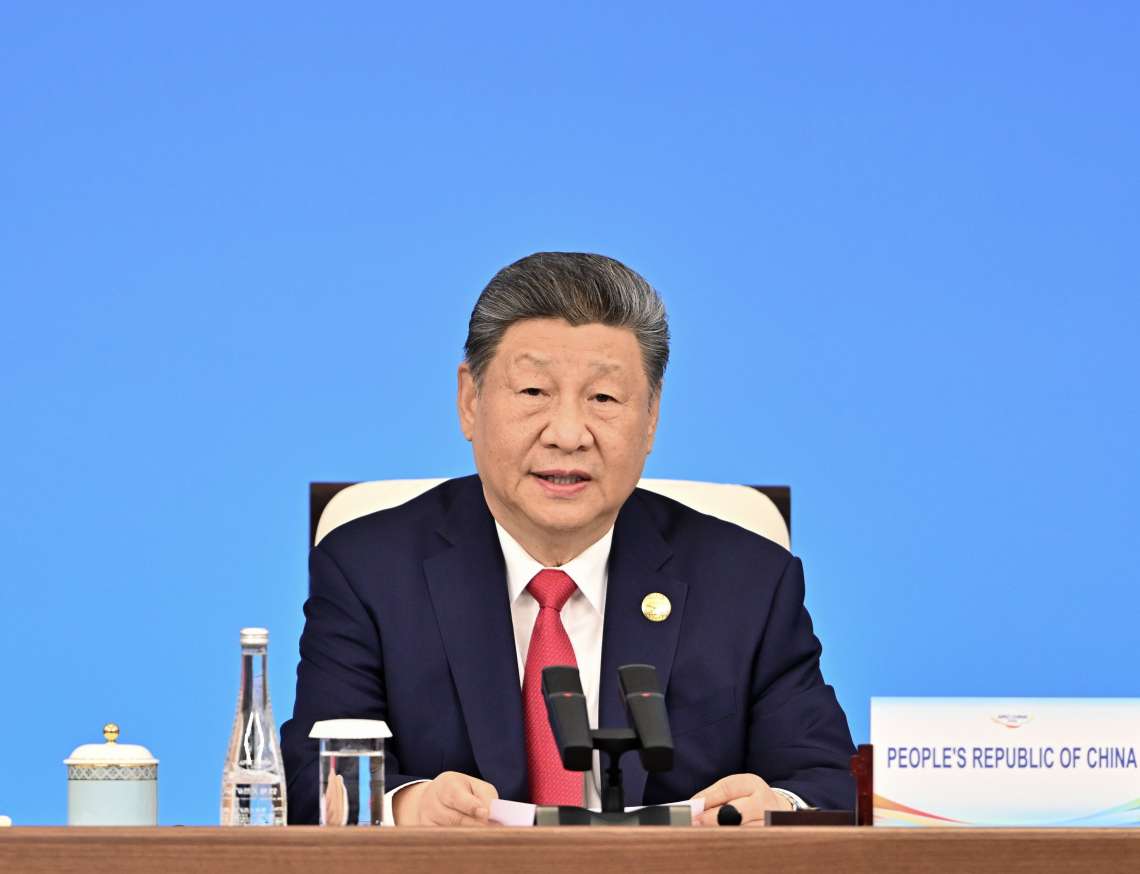
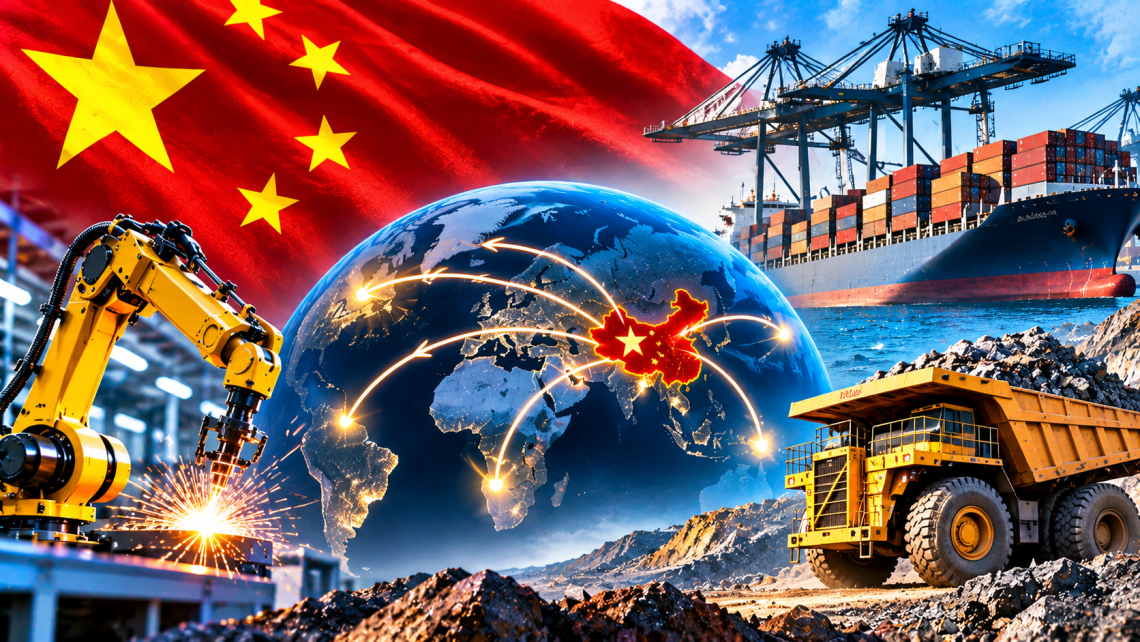
China’s overseas acquisitions have moved beyond the pursuit of profitable foreign brands. Increasingly, companies are seeking assets that provide access to strategic resources, established markets and specialised technologies. This reflects a longer-standing policy ambition. Beijing’s Going Global strategy, introduced in 2000, encouraged Chinese enterprises to expand internationally, acquire expertise and strengthen their global competitiveness. Under Xi Jinping, these ambitions have become more closely connected to industrial self-reliance, supply-chain security and the Belt and Road Initiative.
The acquisition of Germany’s Kuka by Chinese appliance manufacturer Midea in 2016 illustrated the technological dimension. Kuka was one of the world’s leading producers of industrial robots, with expertise in automation used across automotive and other manufacturing sectors. Midea acquired approximately 95 per cent of the company for around USD 5 billion. The purchase gave a Chinese company control over an established German robotics business at a time when Beijing was making advanced manufacturing a central national priority.
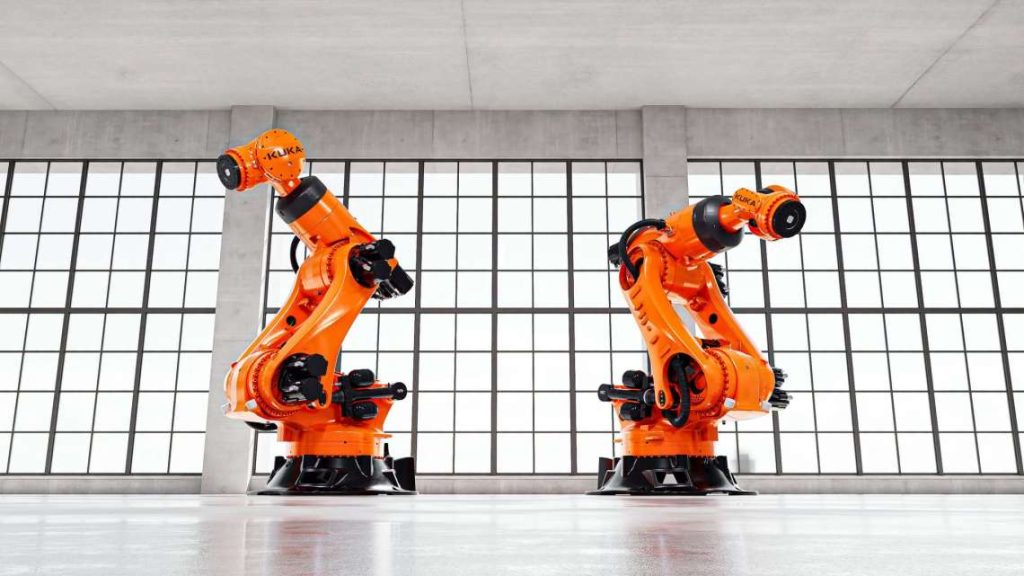
For Germany, the concern was that industrial expertise developed over decades could move into the hands of a foreign buyer. The transaction became part of a wider debate over whether European companies in strategically important sectors were adequately protected from foreign takeovers. Germany subsequently strengthened its investment-screening framework, while France, Germany and Italy pushed for stronger European scrutiny of strategic acquisitions.
The acquisition of Swiss agricultural giant Syngenta by state-owned ChemChina in 2017 followed a similar logic. Valued at approximately USD 43 billion, it gave China access to a major global portfolio of seeds, crop-protection products and agricultural research. The deal was commercially substantial, but its implications extended to an industry closely linked to food production and security. The US Committee on Foreign Investment reviewed the transaction before approving it. The concern was not that China would automatically control American food production, but that ownership of an international agricultural technology company could carry implications for sensitive expertise and business operations.
These examples reveal what makes corporate acquisitions different from conventional trade. A country buying a product remains dependent on the company that produces it. A company acquiring the producer can gain access to its technology, intellectual property, suppliers and established customer relationships. The value of a takeover, therefore, may lie as much in what it enables over the long term as in what the acquired business earns today.

Ports and the power of being indispensable
The same logic becomes more consequential when Chinese companies acquire stakes in overseas ports. Unlike an ordinary commercial property, a major port is a gateway through which a country’s trade, energy supplies and industrial goods move. Its operation connects shipping companies, customs authorities, logistics providers and inland transport networks. A company with a substantial role in that ecosystem occupies a position of considerable economic importance.
Greece’s Port of Piraeus offers another prominent example. Following the country’s financial crisis, COSCO, a Chinese state-owned shipping company, entered the port through a terminal concession in 2008. It later acquired a majority stake in the Piraeus Port Authority, reaching 67 per cent ownership in 2021. The investment helped expand the port’s capacity and strengthen its position as a major entry point for goods entering Europe from Asia.
For Greece, the investment brought capital and commercial activity at a time when economic recovery was badly needed. For COSCO, it provided a foothold in the Mediterranean and a position within Europe’s maritime logistics network. Both outcomes can be true at the same time. The question is what happens when a foreign state-owned company becomes deeply embedded in infrastructure that the host country cannot easily replace.

The European experience extends beyond Greece. A 2025 assessment by researchersidentified Chinese entities holding stakes in 33 container terminals across Europe. These include investments by state-owned COSCO and China Merchants Group, as well as those of Hong Kong-based Hutchison Ports. The difference matters because not every Chinese-linked terminal is state-owned or under Beijing’s direct control. Nevertheless, the concentration of Chinese corporate interests across major European shipping hubs has raised concerns about operational access, information flows and the resilience of critical infrastructure.
Hamburg demonstrated how seriously European governments have begun to treat these questions. In 2023, Germany restricted COSCO’s proposed investment in the Tollerortcontainer terminal, allowing a 24.99 per cent stake instead of the larger share originally sought. The decision reflected concerns about foreign influence over critical infrastructure, even as the government sought to preserve commercial ties with China.

The resource frontier
Mining acquisitions provide another illustration of how corporate expansion can reinforce China’s industrial ambitions. The country’s manufacturing economy requires enormous quantities of copper, cobalt, lithium and other minerals. Rather than relying entirely on international markets, Chinese companies have increasingly acquired overseas mines and stakes in resource-producing businesses.
China Molybdenum acquired a controlling stake in the Tenke Fungurume copper and cobalt mine from US-based Freeport-McMoRan in 2016, in transactions valued at approximately USD 3.8 billion. Chinese investors subsequently expanded their positions in the country’s mining sector. 2025 study documenting Chinese-owned mining properties found 184 active overseas properties in 2022, of which Chinese state-owned enterprises held ownership stakes in 112. The DRC accounted for 30 of these properties, second only to Australia.
The acquisition of Botswana’s Khoemacau copper mine by MMG in 2024 illustrates the continuing expansion. MMG, controlled by the state-owned China Minmetals Corporation, acquired the mine’s parent company for an enterprise value of approximately USD 1.875 billion. The company presented the purchase as part of its strategy to expand copper production and supply minerals needed for a lower-carbon economy.
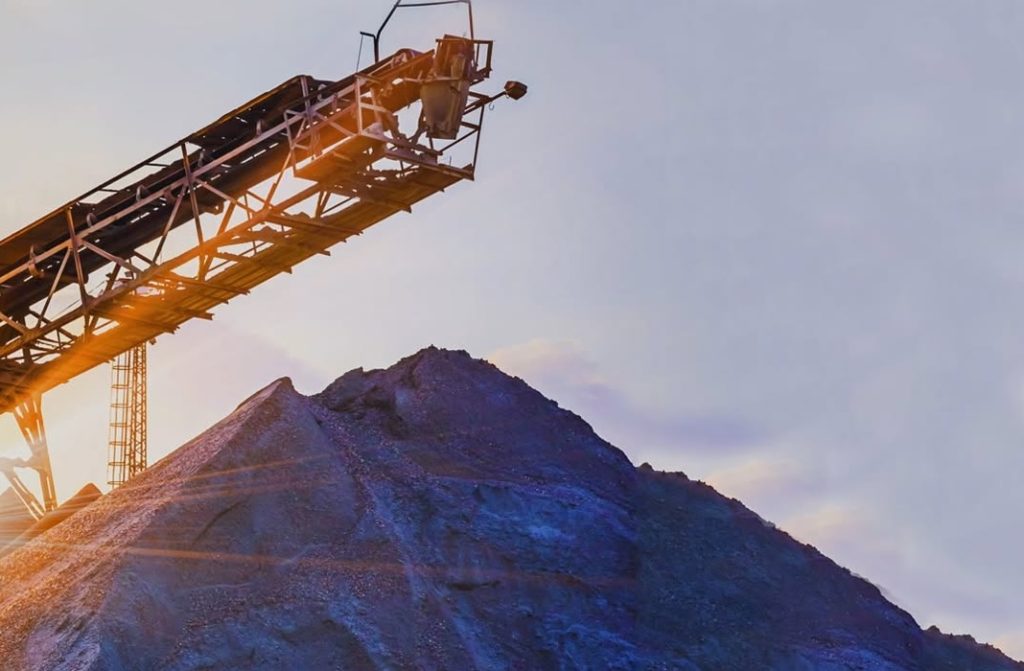
There is a human dimension to this expansion that often disappears from discussions about strategic minerals. Mining communities live with the consequences of decisions made in corporate offices thousands of kilometres away. They depend on companies for employment and local economic activity, but also bear the costs of environmental damage, pressure on water resources and disputes over land and revenue distribution. The ownership of a mine may change hands without changing the daily conditions of the people living around it. For host governments, the challenge is to ensure that the transfer of ownership delivers lasting public benefits rather than simply changing the nationality of the company extracting their resources.
Traditional imperial powers sought control through territory and political administration. Contemporary economic influence can operate through ownership, finance, infrastructure and access to essential resources. A country need not govern another to acquire leverage over parts of its economy. When a foreign company becomes a major employer, resource operator or logistics provider, its decisions can have consequences that extend beyond its immediate shareholders.
Beijing does not need to plant a flag over these assets to benefit from their ownership. Its influence can grow through the companies that operate them, the supply chains they connect and the dependencies they create. That is what makes China’s external takeovers more than a story of expanding corporate balance sheets. They are also part of a wider contest over who owns and shapes the infrastructure of the global economy.