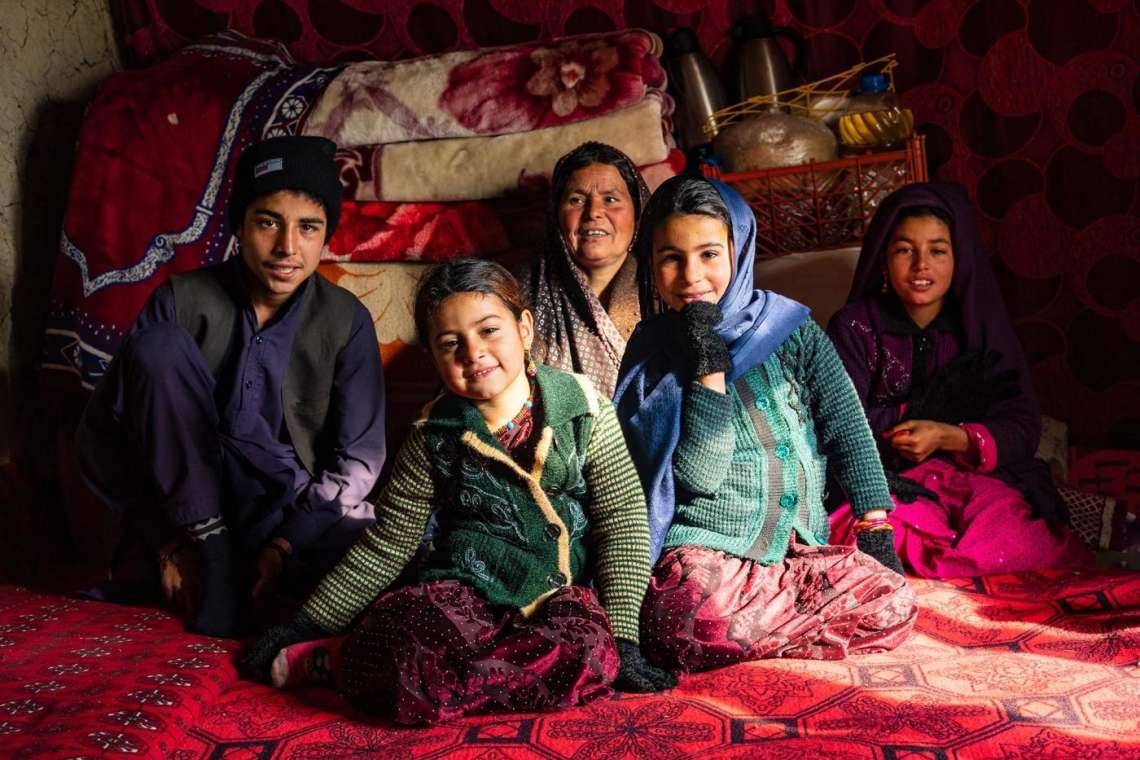
More than 193 centres supporting survivors of violence have closed in Afghanistan in 2026, affecting over one million women and girls…reports Asian Lite News Desk
The United Nations has warned that funding cuts to humanitarian programmes in Afghanistan are forcing the closure of essential support services for women and girls, leaving hundreds of thousands at risk of losing access to protection and assistance.
More than 193 centres providing support to survivors of violence have closed across Afghanistan in 2026 due to funding shortages, affecting more than one million women and girls, according to UN Women.
Susan Ferguson, UN Women’s Special Representative in Afghanistan, said economic difficulties, recurring humanitarian crises, environmental shocks and restrictions on women’s rights had intensified the challenges facing women and girls across the country, Afghanistan-based Ariana News reported on Thursday (November 26).
The funding crisis has also affected women’s organisations. Nearly three-quarters of 74 women’s organisations in Afghanistan experienced funding cuts in 2025, while half expected to suspend or completely cease operations by April 2027.
The potential closures could leave around 427,000 women at immediate risk of losing access to essential support services.
Ferguson called on the international community to increase funding for women-led organisations and strengthen efforts to protect Afghan women and girls from violence.
The UN also highlighted barriers to justice, reporting that women in Afghanistan are nearly four times less likely than men to access formal justice systems. This further limits their ability to seek legal assistance and protection in cases of abuse.
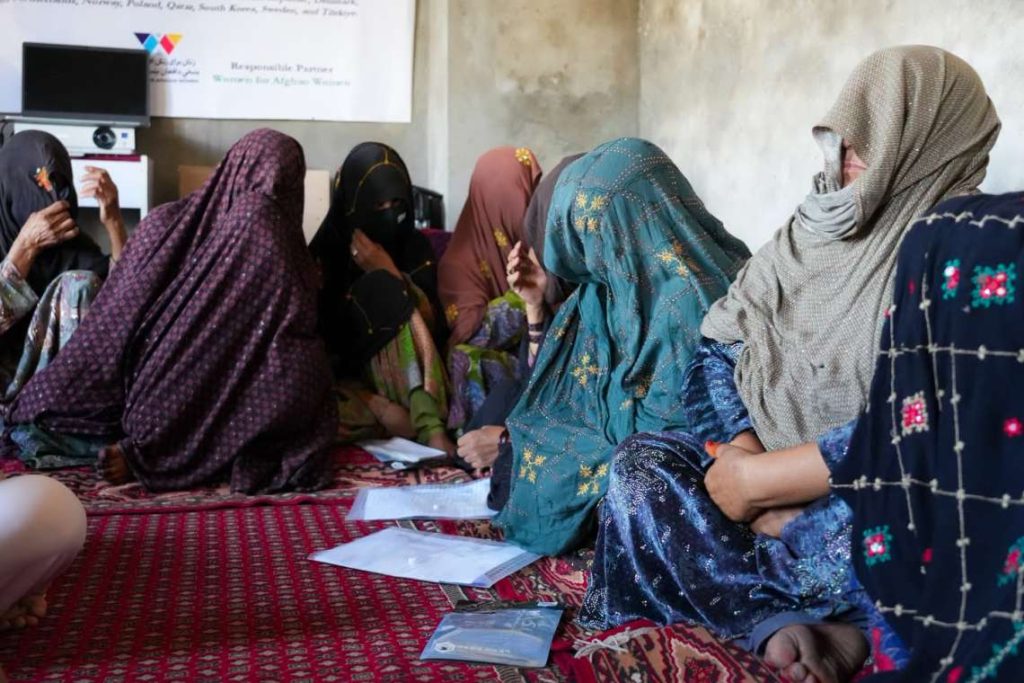
Why are women facing greater risks?
The funding crisis comes amid continued restrictions on women’s rights and reports of arrests and intimidation targeting women and girls under Taliban authorities.
Last month, the United Nations Assistance Mission in Afghanistan (UNAMA) expressed grave concern over recent arrests, detentions and threats of arrest targeting women and girls in different parts of the country.
The mission urged the Taliban authorities to end discriminatory enforcement practices and uphold Afghanistan’s obligations under international human rights law.
According to UNAMA, at least 52 women and one girl were arrested or detained in Herat and Kabul between July and September. Other women also faced threats of arrest during the same period.
The actual number of cases could be higher because of under-reporting linked to protection concerns and social stigma, the UN mission said.
The reported incidents were associated with alleged violations of Taliban-imposed dress code requirements. Women were detained for not wearing a chador, having visible hair, wearing colourful scarves or makeup, or appearing in public without a mahram, a close male guardian such as a husband, father or brother.
UNAMA said the women were released after spending several hours in detention.
The mission also raised concerns about incidents involving verbal abuse, physical assaults and threats against women, including female shopkeepers.
“UNAMA is also alarmed by incidents involving verbal abuse, beatings and threats against women, including female shopkeepers. UNAMA reiterates that these acts violate women and girls’ rights to freedom of movement, expression and autonomy. Arrests and detentions also expose women and girls to severe social stigma and further marginalisation,” the statement said.
It called on the Taliban authorities to stop discriminatory enforcement practices, respect the human rights and dignity of all Afghans, and fulfil the country’s obligations under international human rights law.
The Taliban seized power in Afghanistan in August 2021 and subsequently introduced restrictions affecting women’s education, employment, movement and participation in public life.
Girls have been barred from attending school beyond the sixth grade, while women have been prohibited from pursuing university education.
The latest warning from UN Women highlights how declining humanitarian funding, alongside continuing restrictions on women’s rights, is further limiting access to essential protection and support services across Afghanistan.