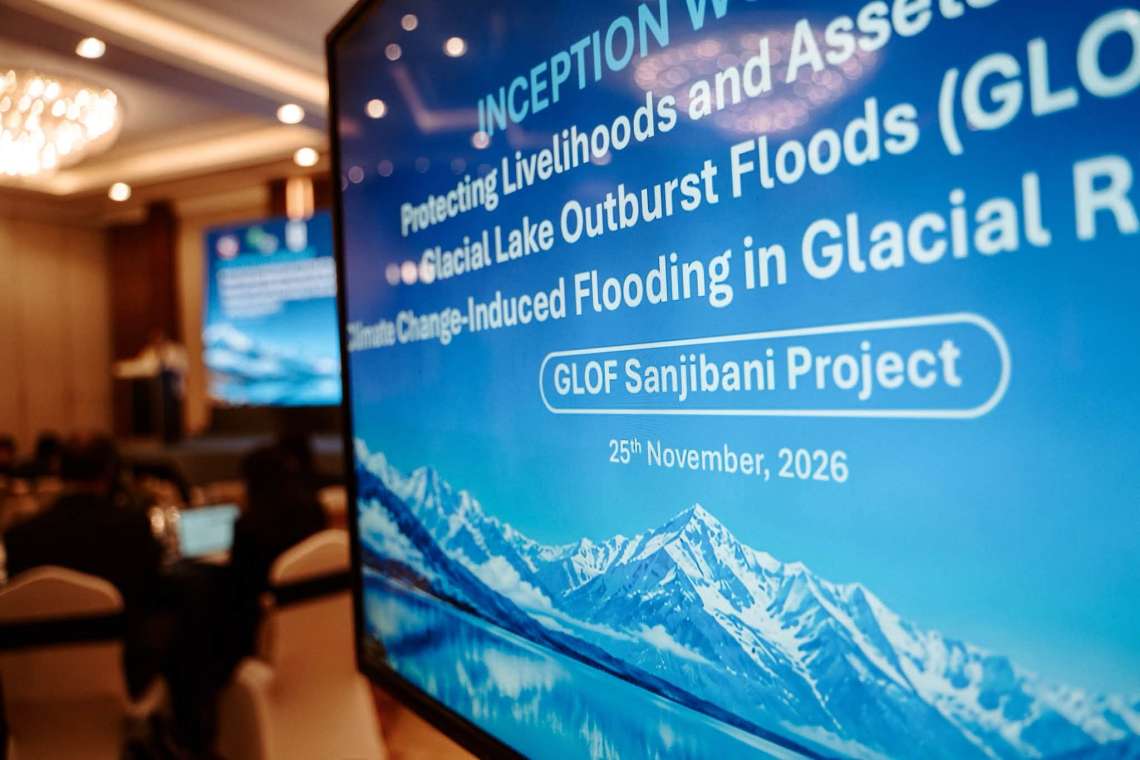
Nepal has launched a $49.94 million project to reduce the threat of glacial lake outburst floods across the Himalayas….reports Asian Lite News Desk
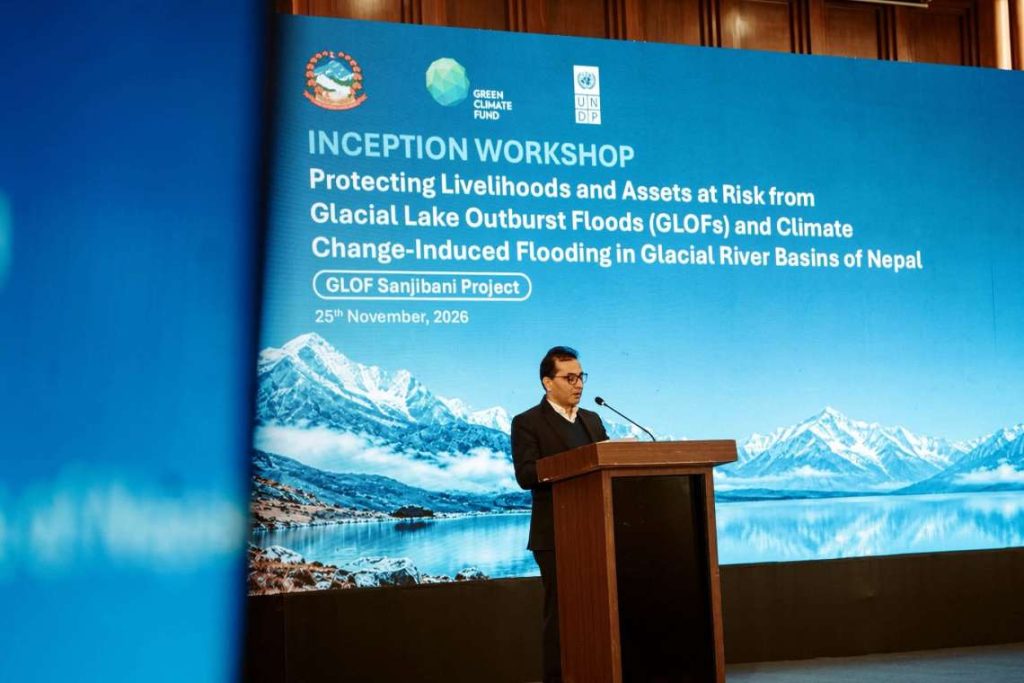
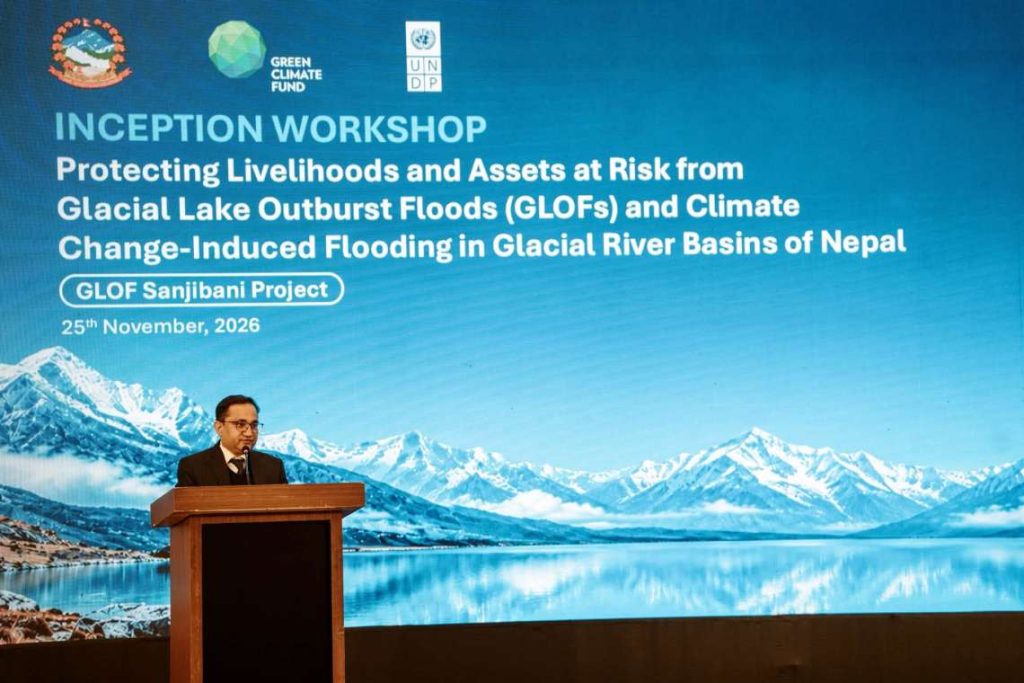
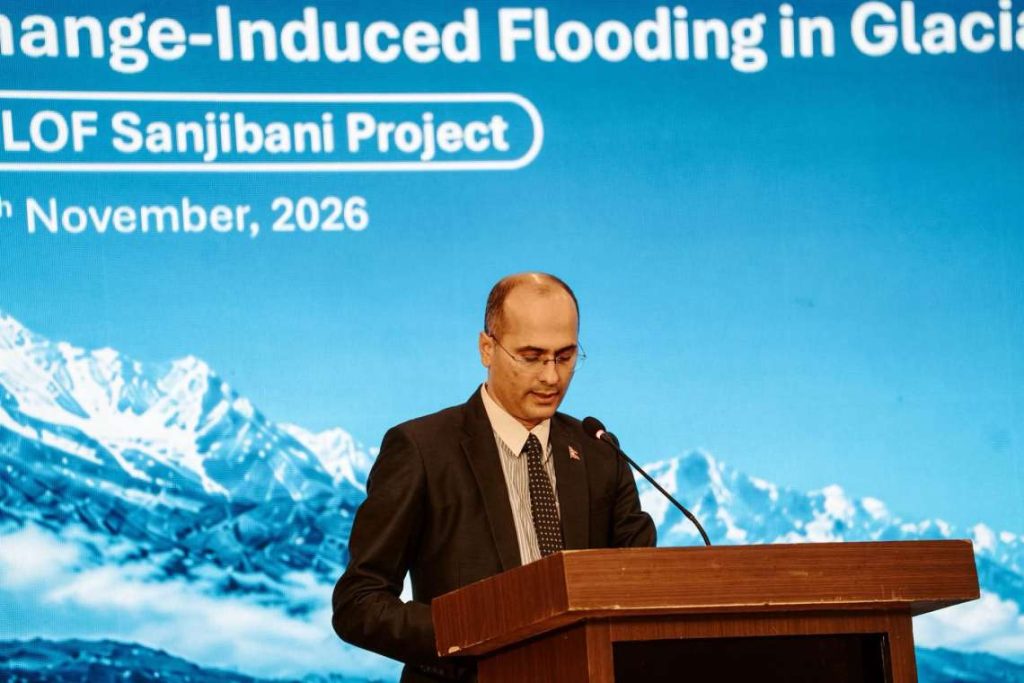
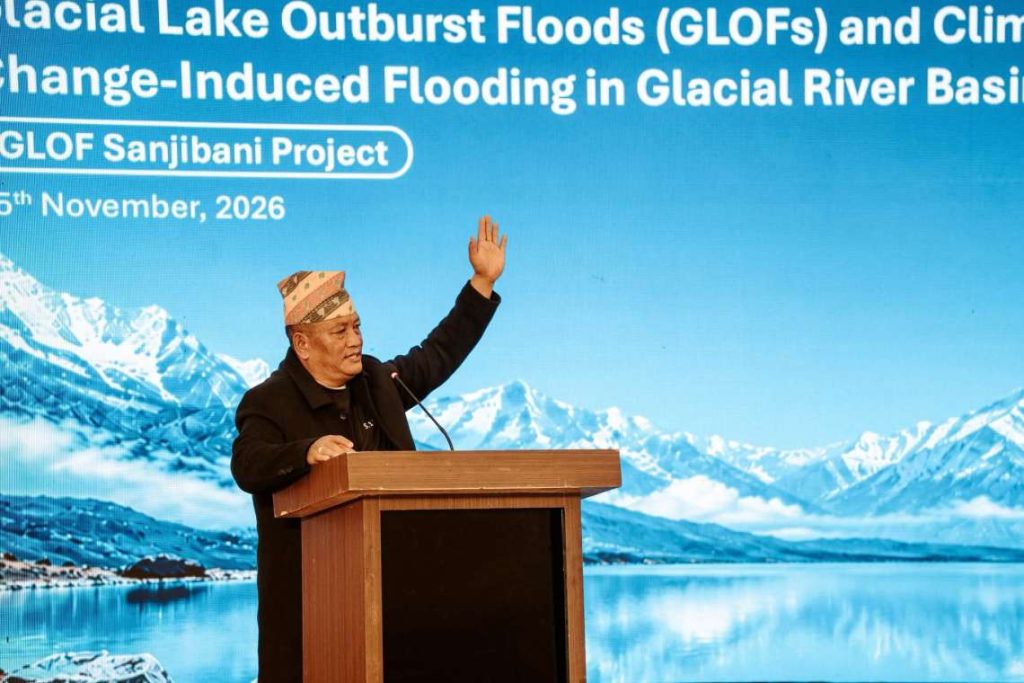
Nepal has launched a $49.94 million project to reduce the threat of glacial lake outburst floods (GLOFs) and protect vulnerable communities across the Himalayas.
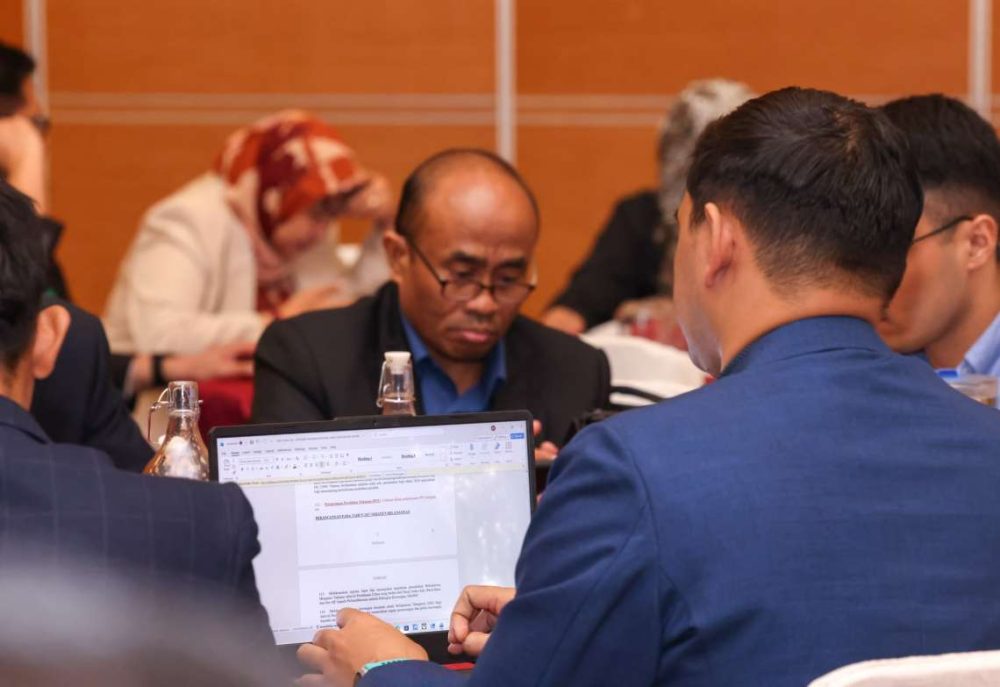
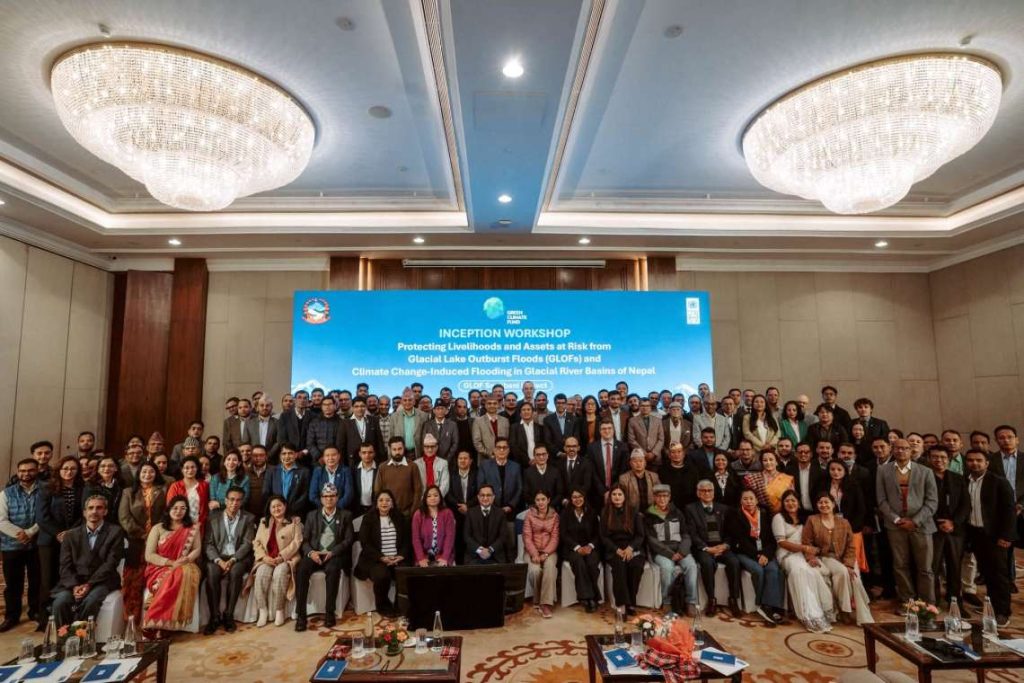
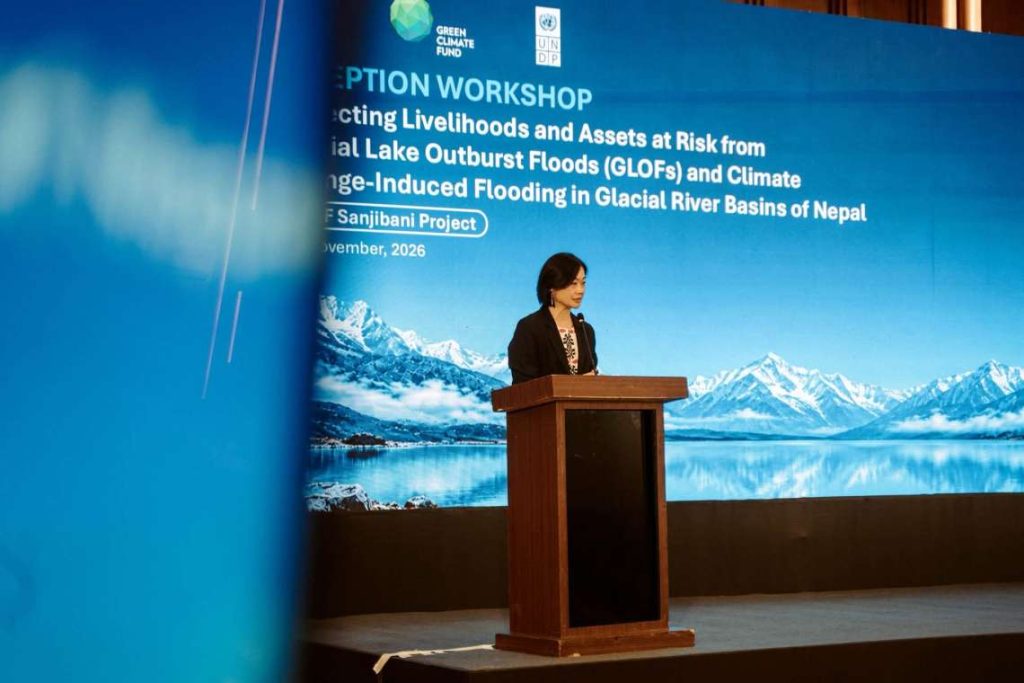
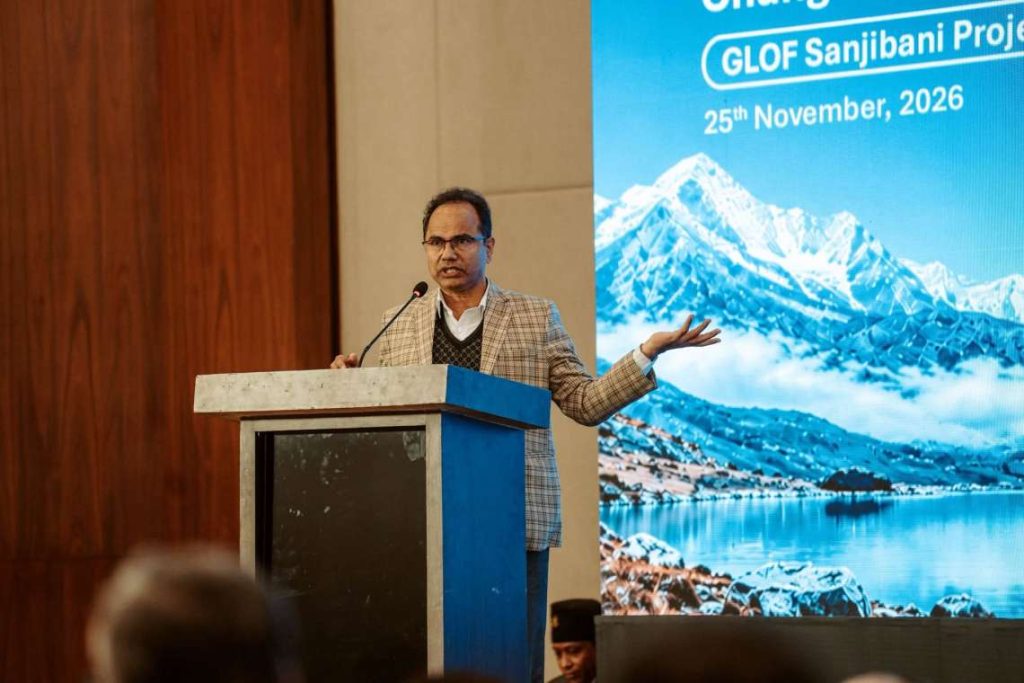
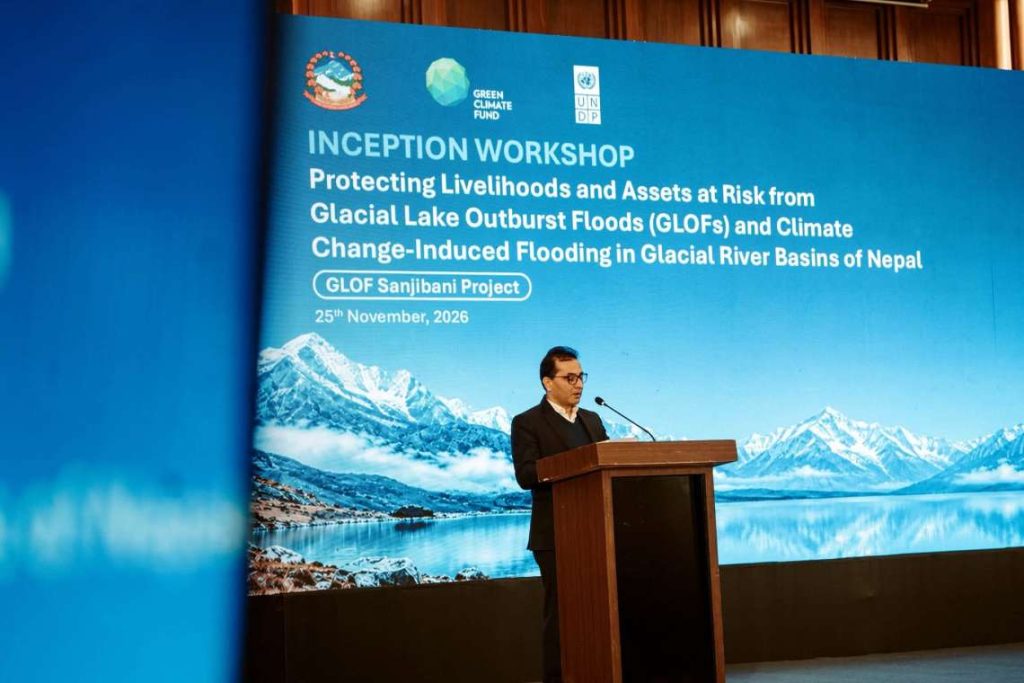
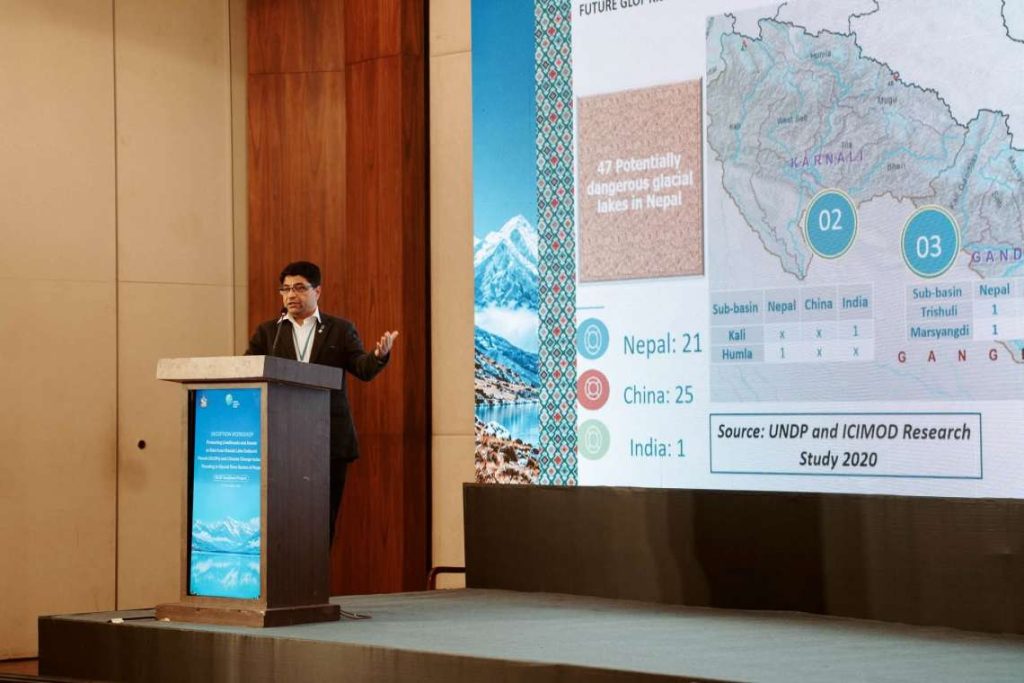
The GLOF-Sanjibani Project, launched on Wednesday in collaboration with the United Nations Development Programme (UNDP), will focus on lowering water levels in high-altitude glacial lakes, improving early warning systems and building protective infrastructure in downstream areas.
According to the UNDP, the project will run from 2026 to 2033 and aims to strengthen Nepal’s preparedness for potentially devastating floods caused by the sudden release of water from glacial lakes.
Which glacial lakes will be targeted?
One of the project’s main objectives is to lower water levels in four high-altitude glacial lakes to reduce the risk of dangerous outbursts.
The plan is to lower the water levels of Dona, Lumding Tsho and Lower Barun by three metres each, while Hongu 2 will be lowered by one metre.
The project will also strengthen climate-risk information and planning, expand hydrological and meteorological monitoring, and establish or improve early warning systems.
“Beyond lake lowering, the project will strengthen climate-risk information and planning, expand hydrological and meteorological monitoring, and establish and improve early warning systems. It will also introduce nature-based solutions and protective infrastructure to reduce downstream flood risks in the watersheds,” the UNDP said in a statement.
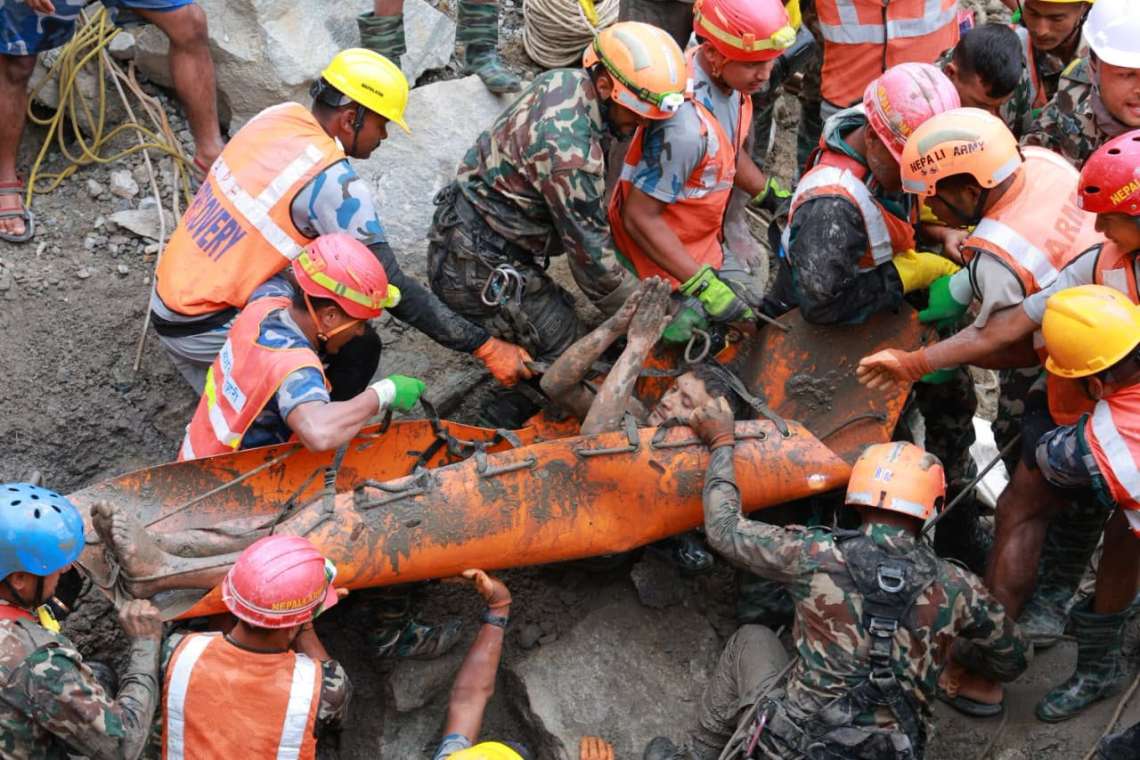
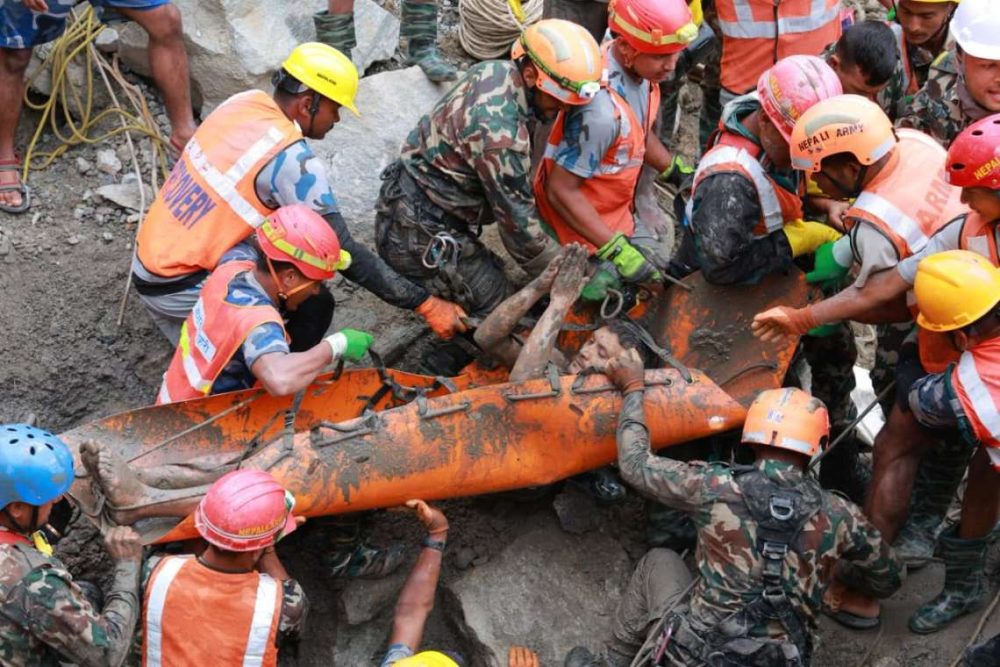
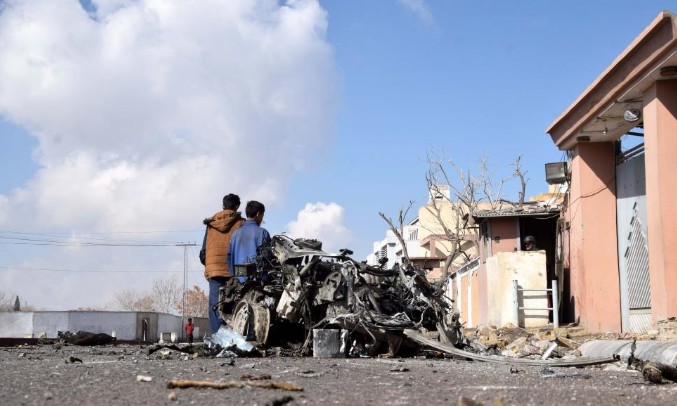
The initiative follows devastating floods that struck Nepal on August 26, killing more than 1,400 people, while more than 5,000 others, including foreign nationals, remain missing.
The disaster caused extensive damage to public and private infrastructure and destroyed several settlements along the Bhotekoshi and Trishuli river corridors.
Rising temperatures have accelerated glacier melting across the Himalayas in recent years, increasing concerns about unstable glacial lakes, avalanches and potentially destructive floods downstream.
The project is supported by several funding partners. The Green Climate Fund will provide a grant of $36.16 million, while the Nepali government will contribute $11.32 million in co-financing.
The UNDP will provide a further $2.14 million, with private-sector partners contributing $320,000.
The initiative is expected to directly benefit more than 385,000 people, 55 per cent of whom are women. Nearly two million additional people living in downstream river basins are also expected to benefit from improved safety measures.
Nepal has previously taken steps to reduce glacial flood risks by lowering water levels at Tsho Rolpa in Dolakha district and Imja Lake in Solukhumbu district.
The GLOF-Sanjibani Project will build on these efforts as the country seeks to strengthen protection for communities exposed to the growing risks associated with Himalayan glacial lakes.