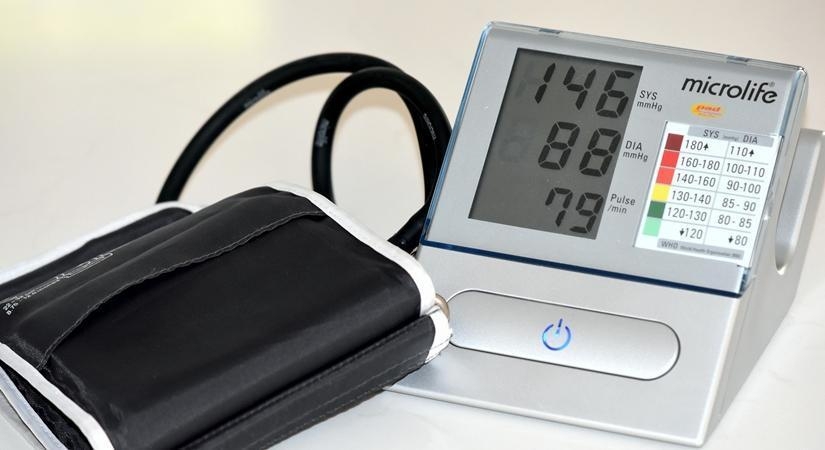
People with hypertension face a 1.2 to 1.5-fold higher risk of developing cognitive disorders compared with those without the condition
Hypertension may begin damaging the brain far earlier than doctors once believed — even before blood pressure rises to detectable levels — according to a new preclinical study from Weill Cornell Medicine. The findings shed light on why high blood pressure is one of the strongest predictors of cognitive decline, including vascular cognitive impairment and Alzheimer’s disease.
The research reveals that hypertension triggers rapid gene expression changes in individual brain cells, disrupting functions linked to thinking, learning, and memory. Scientists say the discovery could lead to new medications that both control blood pressure and shield the brain from long-term damage.
People with hypertension face a 1.2 to 1.5-fold higher risk of developing cognitive disorders compared with those without the condition. Yet, despite the effectiveness of current drugs in lowering blood pressure, many do little to protect brain function. This gap has long puzzled researchers.
“We found that the major cells responsible for cognitive impairment were affected just three days after inducing hypertension in mice — before blood pressure increased,” said senior author Dr. Costantino Iadecola, director of the Feil Family Brain and Mind Research Institute at Weill Cornell. “The bottom line is something beyond the dysregulation of blood pressure is involved.”
Dr. Anthony Pacholko, a postdoctoral neuroscience researcher, co-led the study.
Earlier studies by Dr. Iadecola’s team showed broad effects of hypertension on neuron function. But advances in single-cell sequencing technologies allowed the researchers to pinpoint what happens at the cellular and molecular level across different brain cell types.
To simulate hypertension, the team administered angiotensin, a hormone known to raise blood pressure. They then examined the brains of mice at two key points: after three days, when blood pressure was still normal, and after 42 days, when hypertension and cognitive impairment were fully established.
Even at day three, the researchers observed dramatic gene expression changes in three types of cells:
• Endothelial cells, which line blood vessels
• Interneurons, which regulate the balance of brain signalling
• Oligodendrocytes, which produce the myelin sheath that protects nerve fibres
Endothelial cells appeared to age prematurely, showing reduced energy metabolism and increased markers of senescence. The team also found early signs of a weakened blood-brain barrier, which protects the brain by controlling which molecules can enter.
Interneurons, vital for maintaining the balance between excitatory and inhibitory signals, showed signs of damage. This imbalance resembles the patterns seen in Alzheimer’s disease, suggesting that hypertension may set off brain changes long before outward symptoms appear.
Meanwhile, oligodendrocytes failed to properly activate genes required for myelin maintenance and repair. When the myelin sheath deteriorates, neurons lose their ability to communicate efficiently — a core function for memory and cognition. By day 42, even more gene disruptions appeared, coinciding with measurable cognitive decline in the mice.
“The extent of the early alterations induced by hypertension was quite surprising,” Dr. Pacholko said. “Understanding how hypertension affects the brain at the earliest stages may provide clues to finding treatments that can block neurodegeneration.”
One promising finding relates to losartan, an angiotensin receptor blocker already widely used as a blood pressure medication. Some human studies suggest that this class of drugs may offer better cognitive protection than other options. In additional experiments, losartan reversed early brain-cell damage in endothelial cells and interneurons in the mouse model.
“Hypertension is a leading cause of damage to the heart and kidneys that can be prevented by antihypertensive drugs,” Dr. Iadecola added. “So independent of cognitive function, treating high blood pressure is a priority.”