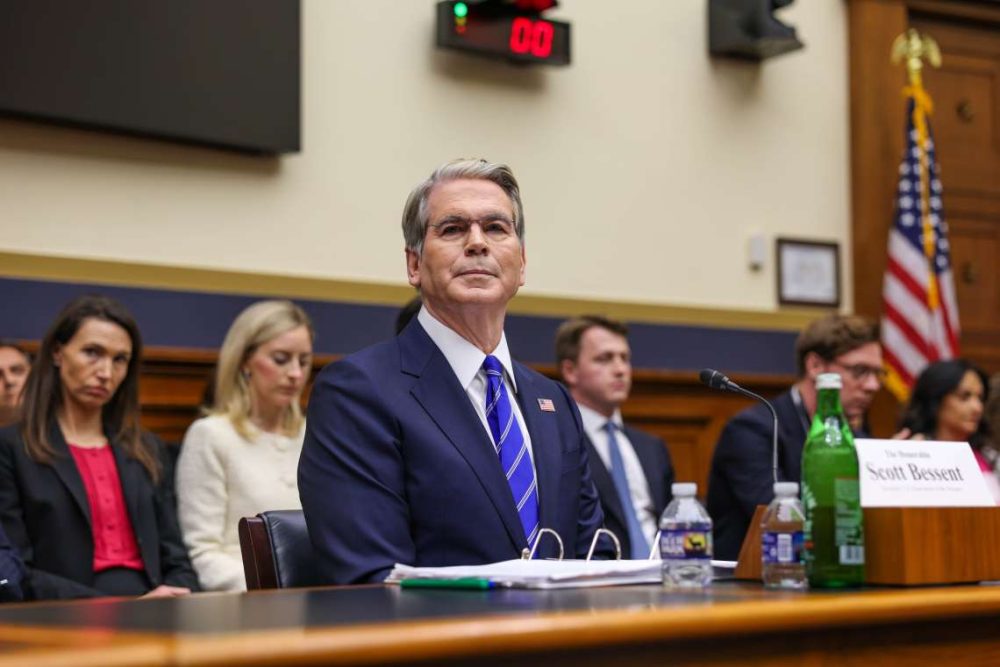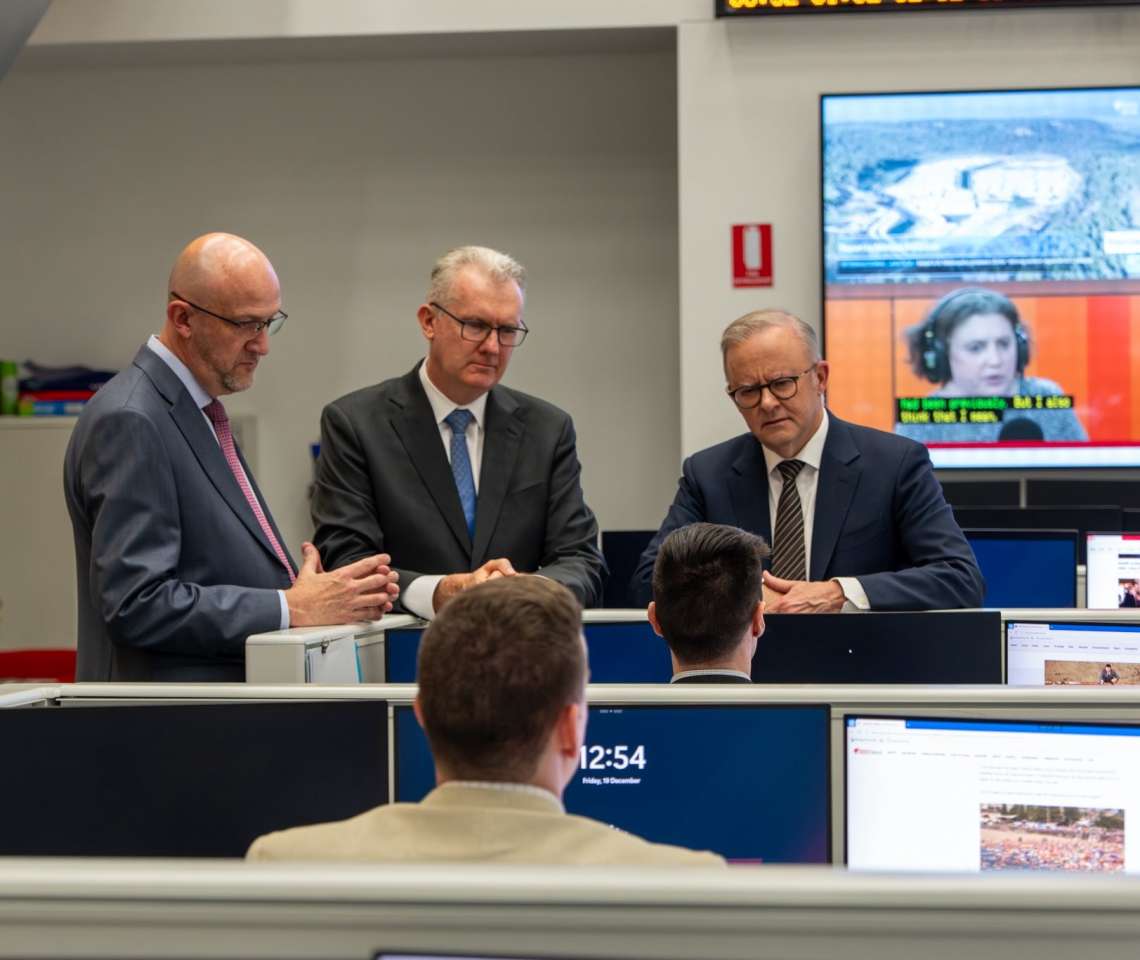
Describing the shooting as an “ISIS-inspired atrocity,” Anthony Albanese said review would assess whether law enforcement and intelligence bodies are properly equipped to counter modern threats
Australia’s Prime Minister Anthony Albanese has announced a wide-ranging review of the country’s policing and national intelligence agencies in the aftermath of last weekend’s deadly attack at Bondi Beach, as the nation marked a sombre day of reflection for the victims, according to the BBC.
Speaking days after the attack, Albanese said the incident underscored how rapidly Australia’s security landscape is evolving. Describing the shooting as an “ISIS-inspired atrocity,” he said the review would assess whether law enforcement and intelligence bodies are properly equipped to counter modern threats. “Our security agencies must be in the best position to respond,” he said, referring to the extremist ideology linked to the Islamic State group.
A national day of reflection was held on Sunday to mourn the 15 people killed when two gunmen opened fire at a Jewish festival on the popular Sydney beach. Under tight security, a minute’s silence was observed at 6:47pm local time, exactly one week after the shooting began.

Police allege the 14 December attack, which has been formally declared a terrorist incident, was carried out by a father and son motivated by Islamic State ideology. Naveed Akram, 24, has been charged with 59 offences, including 15 counts of murder and one count of committing a terrorist act. His father, Sajid Akram, was shot dead during the incident.
The intelligence review, due to report by April 2026, will be overseen by the Department of the Prime Minister and Cabinet. Albanese said it would examine whether federal law enforcement and intelligence agencies have the necessary powers, structures and information-sharing arrangements to keep Australians safe, particularly in the wake of what he described as a “horrific antisemitic terrorist attack.”
The Bondi Beach shooting was Australia’s deadliest mass shooting in nearly three decades. In response, the federal government has flagged plans to tighten gun control laws, while the New South Wales premier has pledged to strengthen measures against hate speech.
As part of the day of reflection, a memorial was scheduled to be held at Bondi later on Sunday. Earlier, Governor-General Samantha Mostyn addressed a vigil hosted by the National Council of Jewish Women Australia, where many attendees wore white as a symbol of peace and solidarity. She told the gathering that the Jewish community was an integral part of Australia’s national story and sense of belonging.
Across the country, Australians are still grappling with shock and disbelief that such an attack could occur in a place so closely associated with leisure and everyday life. Yet over the weekend, signs of normality slowly returned. The Bondi promenade once again filled with surfers, runners and dog walkers, even as a sombre mood lingered.
Children’s surf club activities, known locally as “nippers,” also resumed on Sunday. North Bondi Surf Life Saving Club president Steve Larnach told the BBC the decision to go ahead had been carefully considered, particularly given sensitivities within the Jewish community. He said community members had encouraged organisers to proceed.
Volunteer lifeguards were among the first responders to last week’s attack, providing emergency first aid. Several surf lifesavers have since been hailed as heroes. For parents like Geraldine Nordfelft, bringing her daughter back to the beach was a conscious act of resilience. “You can’t let fear win,” she said, adding that the beach remains central to the Australian way of life.