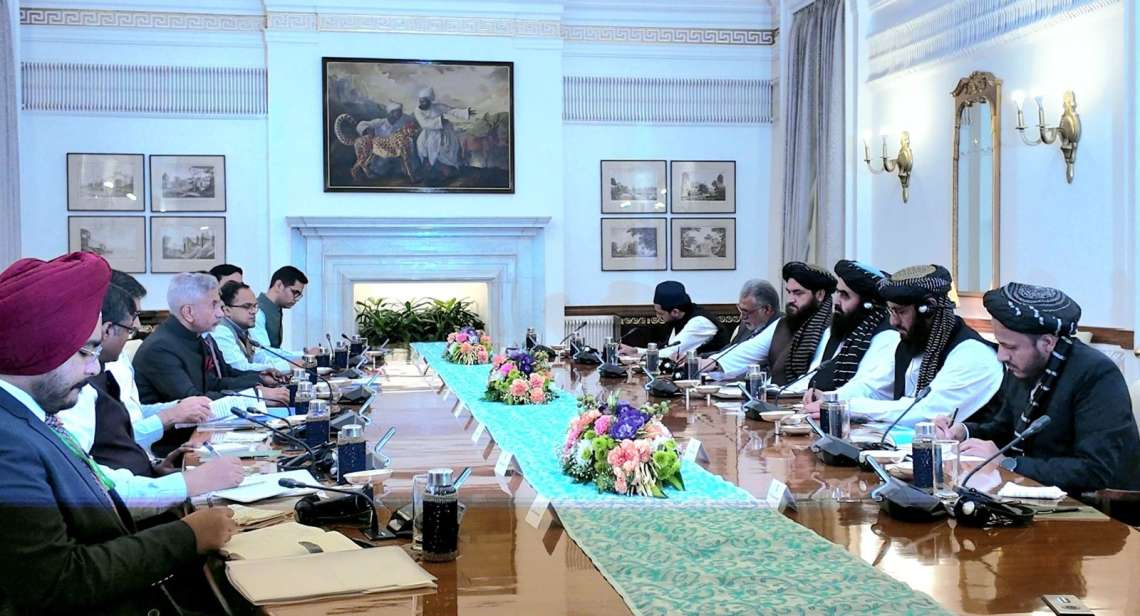
Several countries are expanding diplomatic engagement with Afghanistan’s Taliban authorities through non-resident ambassadors and special representatives…reports Asian Lite News Desk
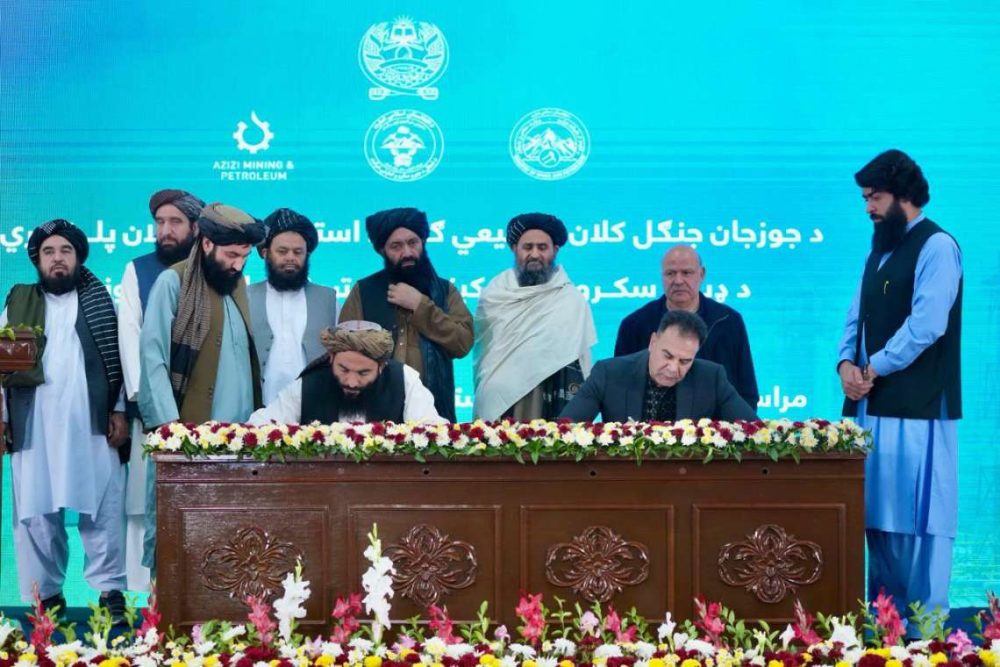
Diplomatic outreach to Afghanistan’s Taliban authorities has continued to grow, with several countries appointing non-resident ambassadors and special representatives to maintain engagement with Kabul. However, international recognition of the Taliban regime remains largely elusive, with governments and the United Nations continuing to demand improvements in human rights, particularly women’s rights.
Several countries, including Belarus, Nicaragua and Norway, have recently appointed non-resident ambassadors to Afghanistan, while the United States and Spain have maintained their diplomatic missions in Doha, Qatar, according to a report by Tolo News.
Some European countries continue to handle Afghanistan-related diplomatic matters through special representatives rather than reopening their embassies in Kabul.
Former diplomats told the news outlet that appointing non-resident ambassadors allows countries to maintain diplomatic channels with Afghanistan without formally recognising the Taliban administration. Such arrangements enable governments to engage with authorities in Kabul and address political, economic and security matters while keeping their diplomatic missions outside the country.
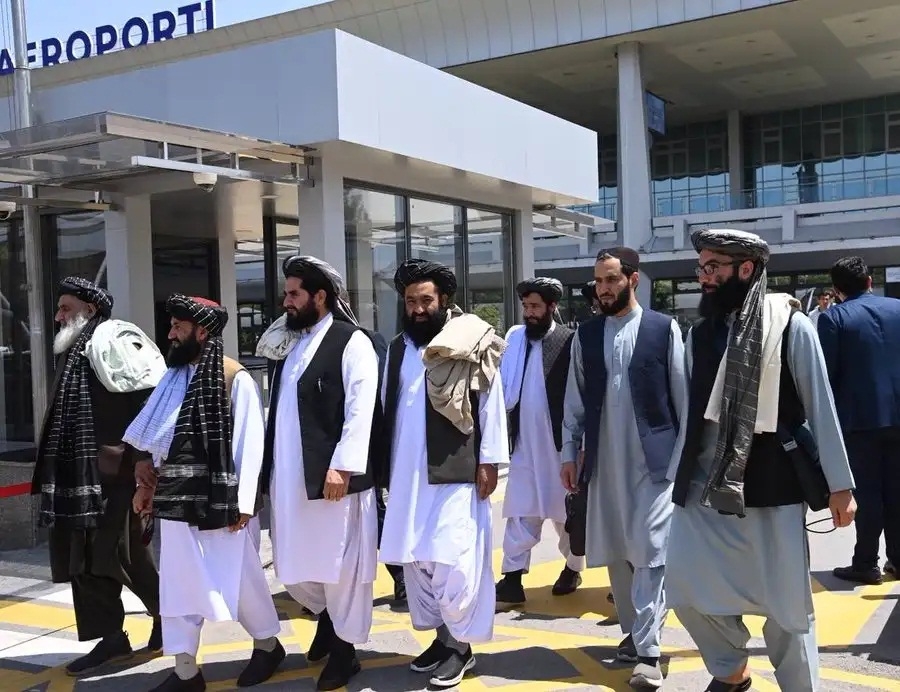
Limited diplomatic recognition
Meanwhile, five foreign ambassadors representing China, Uzbekistan, the United Arab Emirates, Qatar and Belarus have presented their credentials in Kabul, according to an earlier report.
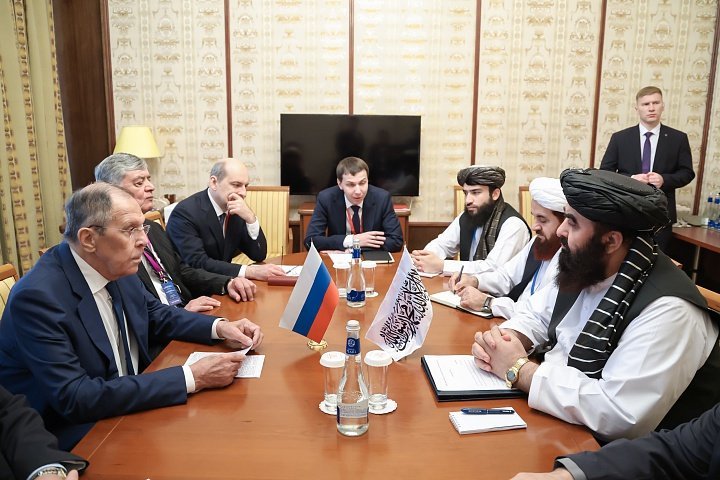
At the official level, four countries have accepted the credentials of Afghan ambassadors: China, the United Arab Emirates, Uzbekistan and Russia.
Russia remains the only country to have formally recognised the Taliban government. The United Nations and most of its member states continue to withhold recognition, referring to the Taliban as Afghanistan’s ‘de facto authorities’.
The international community has repeatedly urged the Taliban to respect human rights, particularly the rights of women and girls, and fulfil Afghanistan’s international obligations.
In August, UN Deputy Spokesperson Farhan Haq said there was currently “no movement” among member states towards recognising the Taliban, Afghanistan International reported.
EU links engagement to human rights progress
Separately, the European Union has reiterated that it has not recognised the Taliban administration and that any change in its relationship with the group would depend on significant progress in human rights, particularly women’s rights.
Henna Virkkunen, Executive Vice-President of the European Commission, made the remarks in response to allegations of double standards by former Afghan lawmaker Baktash Siawash at the European Parliament, according to a report by Afghanistan International.
Siawash accused the European Union and the wider international community of applying double standards towards Afghanistan. He called for the recognition of gender apartheid, an end to diplomatic relations with the Taliban and the designation of the group as a terrorist organisation.
Despite the absence of widespread formal recognition, diplomatic engagement remains important for delivering humanitarian assistance and addressing regional security concerns.
Countries have increasingly relied on non-resident ambassadors and special representatives to maintain communication with Kabul without reopening their embassies.
For Afghanistan’s current administration to encourage more countries to restore their diplomatic missions in Kabul, it will need to address international concerns over political stability, security, women’s and girls’ rights, and its engagement with the global community, reports said.