China is stepping up efforts to deepen its trade and investment ties with Saudi Arabia, even as wider negotiations for a Gulf-wide trade pact remain in limbo.
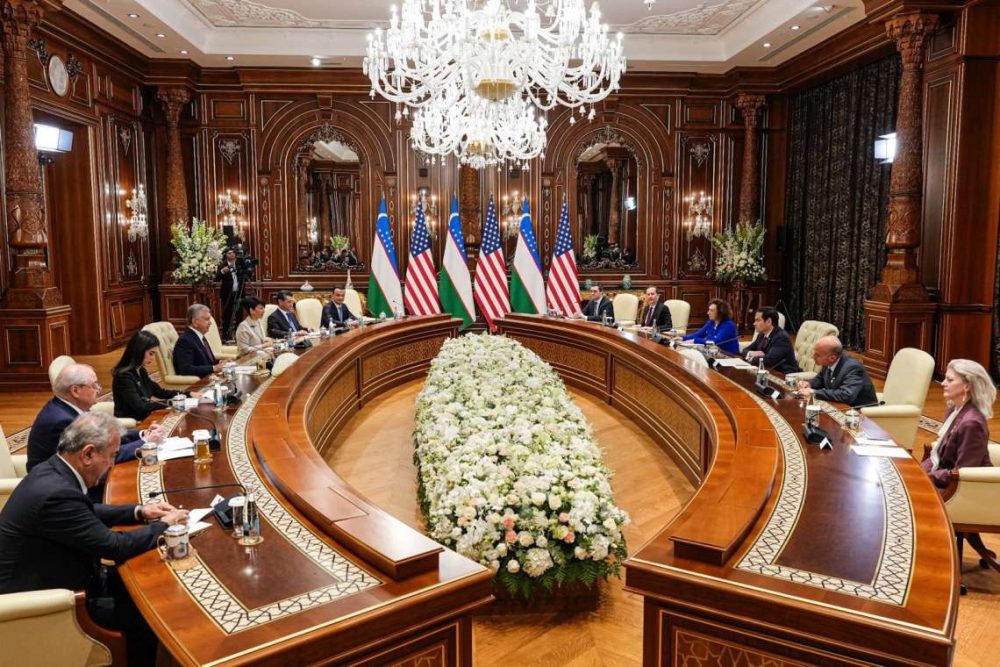
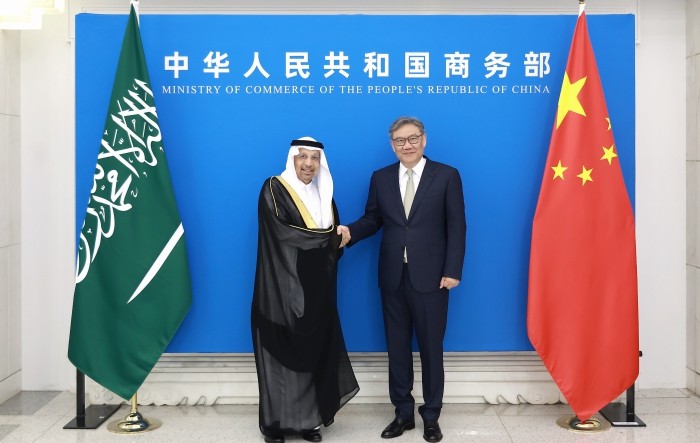
In Beijing on Tuesday, Chinese Commerce Minister Wang Wentao met Saudi Investment Minister Khalid Al-Falih, calling for enhanced cooperation in areas ranging from renewable energy to capital markets. According to the Chinese Commerce Ministry, Wang emphasised the potential to expand trade volumes, strengthen industrial supply chains, and increase two-way investment.
Central to the talks was the prospect of aligning President Xi Jinping’s flagship Belt and Road Initiative (BRI) with Saudi Crown Prince Mohammed bin Salman’s ambitious Vision 2030 economic diversification plan. While the BRI focuses on infrastructure and connectivity projects across Asia, Africa and Europe, Vision 2030 seeks to reduce Saudi Arabia’s reliance on oil revenues and transform the kingdom into an industrial and technological hub.
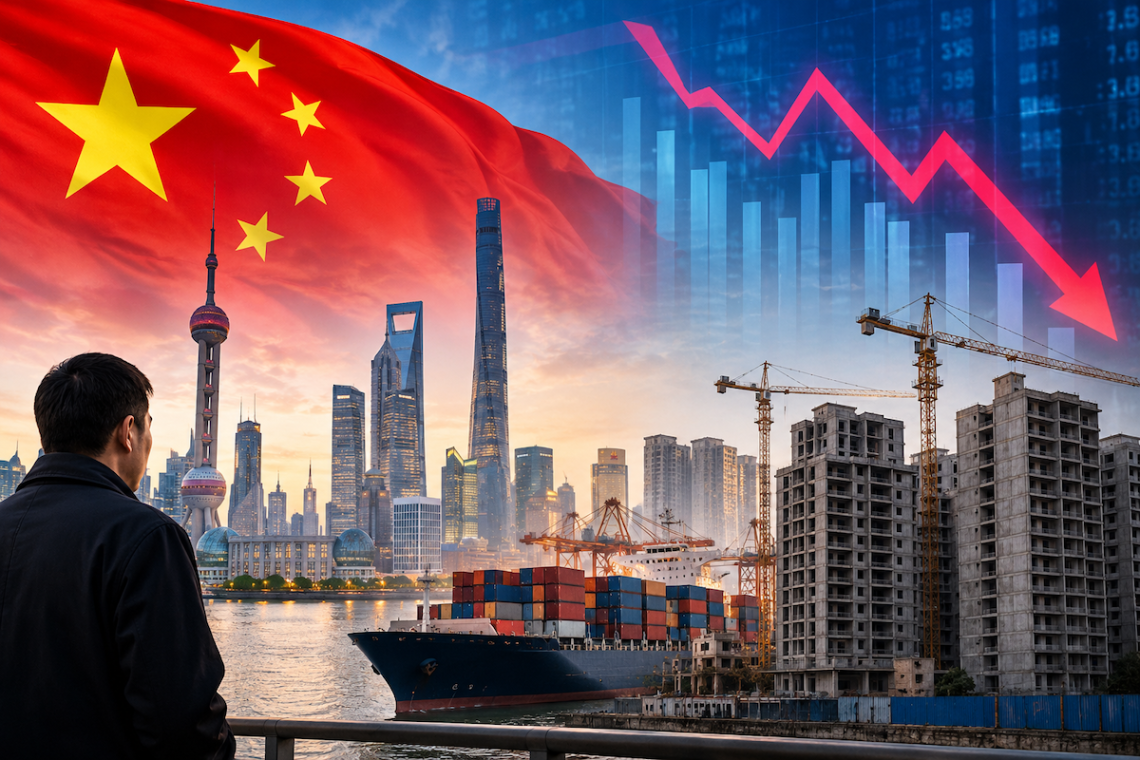
The meeting comes as Beijing navigates a challenging global trade environment, facing escalating tariff disputes with both the United States and the European Union. Building stronger links with energy-rich Gulf partners has become a key element of China’s strategy to offset Western trade restrictions.
However, progress towards a comprehensive China–Gulf Cooperation Council (GCC) free trade agreement has stalled. Saudi Arabia, in particular, has voiced concerns that a flood of low-cost Chinese imports could undercut its industrialisation goals. Those tensions were highlighted last year when no Gulf leaders attended a high-profile Beijing summit marking the tenth anniversary of the BRI—a development seen by analysts as a quiet rebuke to China.
Despite the lack of movement on a GCC-wide deal, bilateral trade between Riyadh and Beijing remains strong. Customs data shows that in 2024, Saudi Arabia exported goods worth $57 billion to China, more than 80% of which was crude oil. In turn, China sold over $50 billion in products to the kingdom, including smartphones, solar panels, and cars.
Saudi Arabia is among the few countries globally to maintain a trade surplus with China, underlining its importance in Beijing’s long-term economic calculus. With oil still dominating Saudi exports and China the world’s largest energy consumer, energy security remains the backbone of their partnership.
Yet as both sides look to the future, the challenge will be finding common ground between China’s desire for deeper market access and Saudi Arabia’s determination to nurture its domestic industries under Vision 2030.