China’s role in Myanmar’s peace process has been shaped by self-interest, using its broker image to shield Belt and Road projects and cross-border trade routes from instability….reports Asian Lite News
A report in Myanmar’s leading media outlet has noted that while China presents its peace initiatives in the language of harmony, the outcomes largely advance Beijing’s political and business interests rather than serving conflict-affected communities.
China has turned mediation into a tool not of reconciliation but of resource extraction and strategic entrenchment, Rishan Sen, a researcher focused on Chinese foreign policy and its strategic footprint across Asia, wrote in Myanmar-based The Irrawaddy.
During the recent Thailand-Cambodia border conflict, he writes, China came forward as an external mediator considering its deep economic ties with both nations. Chinese Foreign Minister Wang Yi offered to help “objectively and fairly” to de-escalate tensions and promote dialogue between two nations. During trilateral meetings, he expressed support for deeper cooperation in energy, agriculture, environmental governance and law enforcement.
“While these moves were presented as stabilising efforts, they dovetailed neatly with Beijing’s interest in extending its investment footprint in infrastructure, rail, and surveillance. China did not act as a mediator in the impartial sense but was managing the relationship with a view to safeguarding its economic interests. Peacebuilding was not the priority. The priority was protecting Chinese investments, resource concessions, and infrastructure channels. Stability, in this calculus, became less an end in itself than a guarantee for Beijing’s long-term commercial reach,” Sen wrote in an opinion piece titled ‘China’s Mediation Is About Leverage, Not Peace’.
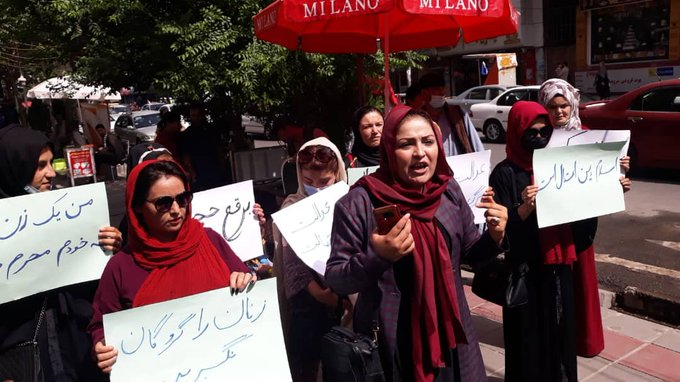
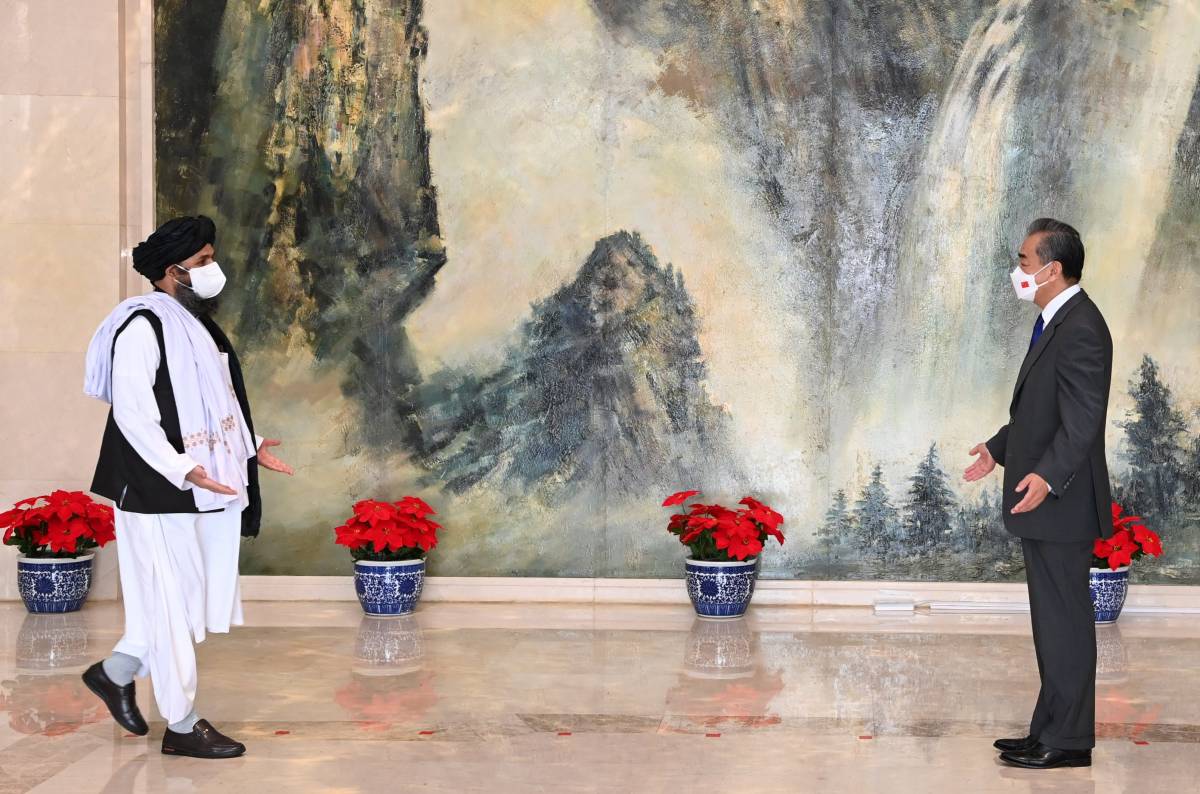
It added that, after Taliban seized power in Afghanistan, China presented itself as a bridge between Kabul and the international community, promising dialogue and regional stability. However, China’s offer continued to have a clear strategic agenda. Chinese firms have secured oil extraction deals in the Amu Darya basin and reopened negotiations over cooper and lithium reserves of Afghanistan.
In 2023, Iran and Saudi Arabia resumed ties following a deal brokered by China, a move described as a diplomatic triumph. However, China through this effort wanted to secure uninterrupted access to energy resources and projecting China as an indispensable power in the Gulf.
“In Africa, China has positioned itself as a facilitator in peace talks in both Sudan and South Sudan. Once again, the narrative was about stability, but the material reality was oil. Chinese state companies are heavily invested in Sudanese oil fields, and mediation served less to resolve deep-seated political conflicts than to protect the flow of crude essential to China’s economy,” Sen detais in ‘The Irrawaddy’.
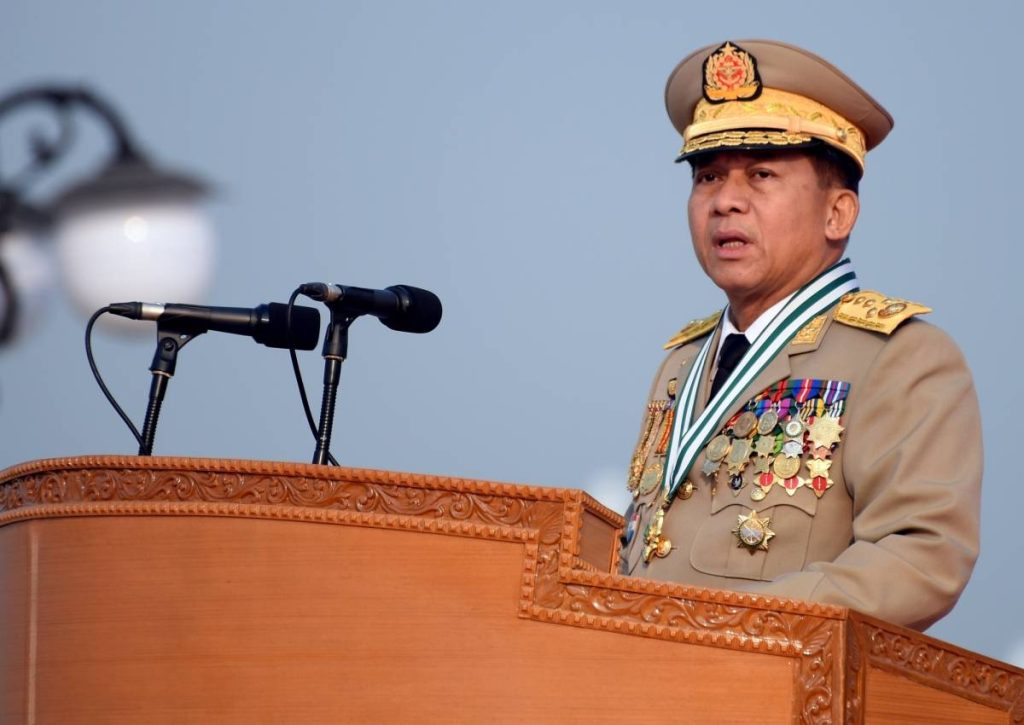
Similarly, China’s role in Myanmar’s peace process with ethnic armed groups has been driven by self-interest. By showcasing itself as a broker, China has tried to protect its controversial Belt and Road Initiative (BRI) projects and cross-border trade routes from instability.
“This consistent pattern reveals a deeper problem. Mediation is being redefined not as an impartial effort to resolve disputes but as a transactional instrument that locks weaker states into asymmetrical relationships. In Southeast Asia, governments manage tensions in ways that keep Chinese capital flowing. In Afghanistan, a fractured state is pulled further into dependency on a single outside power, with little accountability for how resources are exploited or whether ordinary Afghans benefit at all,” the writer emphasised.
“The risk is that China’s brand of mediation hollows out the very idea of peace-making. Instead of building trust, dialogue, and reconciliation, it has become about securing markets, extracting resources, and embedding influence. The rhetoric of harmony and shared prosperity conceals a harder truth: Beijing is less interested in constructing a peace architecture than in cementing a resource architecture that serves its strategic interests,” Sen added.