The ceasefire deal, formalised through a Declaration of Principles, was signed after a series of discussions that began in April
In a significant development aimed at bringing lasting peace to the mineral-rich but conflict-torn eastern region of the Democratic Republic of Congo (DRC), the DRC government and the M23 armed group, backed by Rwanda, signed a ceasefire agreement on Saturday. The truce marks a crucial step towards ending the violence that has plagued the region for decades and follows three months of intense negotiations in Doha, Qatar.
The ceasefire deal, formalised through a Declaration of Principles, was signed after a series of discussions that began in April. It builds upon a separate peace agreement between the DRC and Rwanda, which was signed in Washington last month. The agreement emphasises a commitment to a permanent ceasefire, including a pledge to refrain from “hate propaganda” and any attempts to seize new territory by force.
The M23, which launched a rapid offensive in January and February, capturing large swaths of eastern DRC, had previously insisted on a separate ceasefire deal with Kinshasa. The group argued that the Washington agreement failed to address several critical issues that remained unresolved. The African Union (AU) has hailed the new deal as a “significant development,” stating that it represents a “major milestone” in the ongoing efforts to achieve lasting peace, security, and stability in the eastern DRC and the broader Great Lakes region.
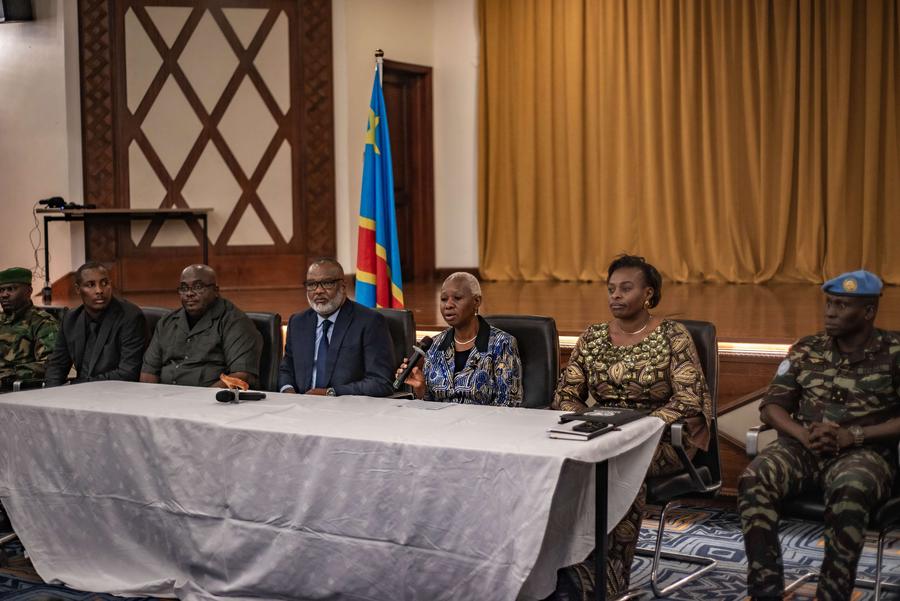
Under the terms of the ceasefire, the warring parties have agreed to open negotiations for a comprehensive peace agreement. The deal aligns with the Washington agreement and includes a roadmap for restoring state authority in the eastern DRC. Congolese government spokesman Patrick Muyaya emphasised that the deal respects the DRC’s “red lines,” particularly the non-negotiable withdrawal of M23 forces from occupied areas, followed by the deployment of national institutions, including the armed forces.
Muyaya further stated that a comprehensive peace agreement is expected to be finalised “in the coming days.” The two sides have committed to implementing the terms of the ceasefire by July 29 at the latest and to commence direct negotiations towards a permanent agreement by August 8. In the coming months, Rwandan President Paul Kagame and Congolese President Felix Tshisekedi are scheduled to meet to solidify the Washington peace deal, whose terms have yet to be implemented.
Previous ceasefire agreements in the eastern DRC have historically failed, leading to renewed violence and instability. While Rwanda denies providing military support to the M23, UN experts have indicated that the Rwandan army played a “critical” role in the group’s offensive, including participation in combat operations. The eastern DRC is rich in natural resources, particularly valuable minerals, which have fueled conflict and created a humanitarian crisis over the past three decades. The region has seen hundreds of thousands of people displaced from their homes, and thousands were killed during the M23 offensive earlier this year, which saw the group capture key provincial capitals such as Goma and Bukavu.
Despite the stabilisation of the front line since February, sporadic fighting has continued between the M23 and various pro-government militias. The international community has expressed cautious optimism about the latest ceasefire agreement, emphasising the need for sustained commitment and international support to ensure its success.
The signing of the ceasefire deal in Doha represents a glimmer of hope for the people of eastern DRC, who have long suffered from the devastating effects of conflict. If successful, the agreement could pave the way for lasting peace, security, and stability in a region that has been plagued by violence for far too long.