Dominican officials described the move as a limited but necessary measure aimed at reinforcing air and maritime defences …reports Asian Lite News
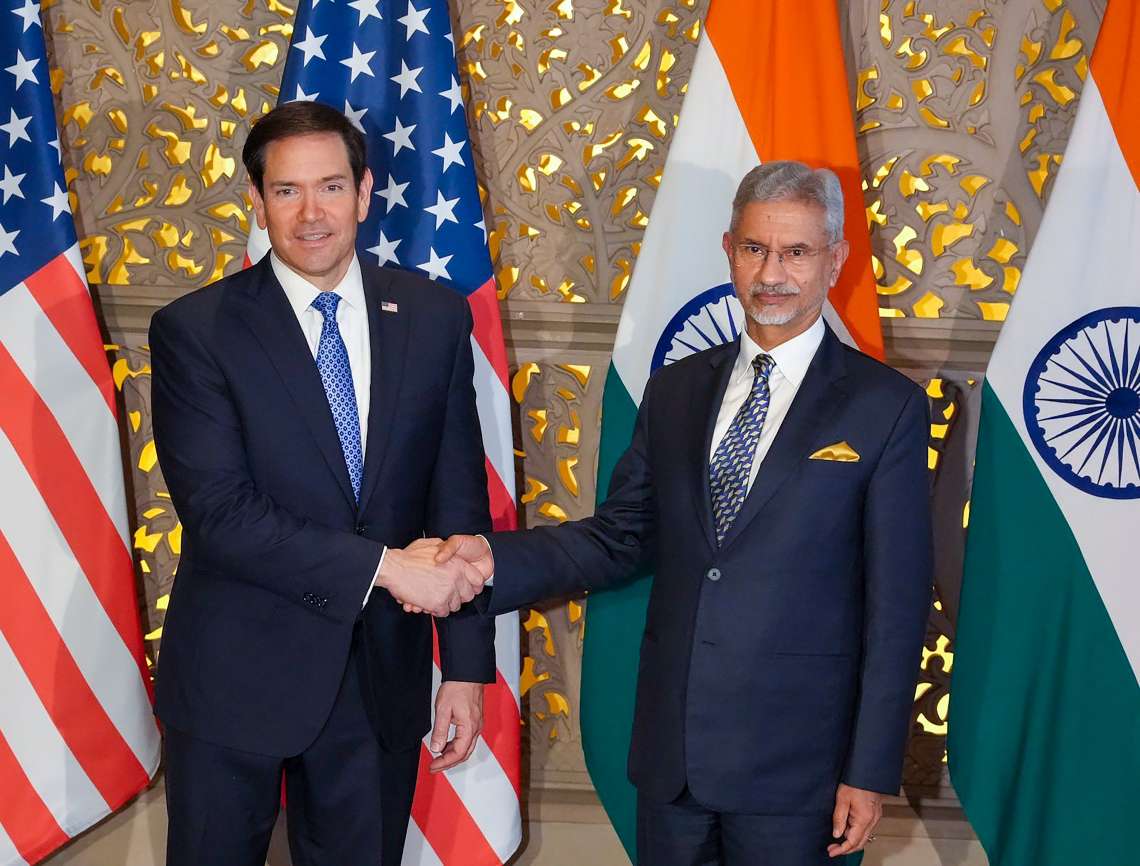
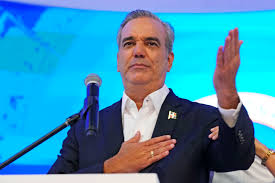
The Dominican Republic has granted the United States unprecedented access to operate inside restricted military and aviation zones as part of a stepped-up regional campaign against drug trafficking. President Luis Abinader confirmed the temporary authorisation during an announcement in Santo Domingo, standing alongside visiting US Defence Secretary Pete Hegseth.
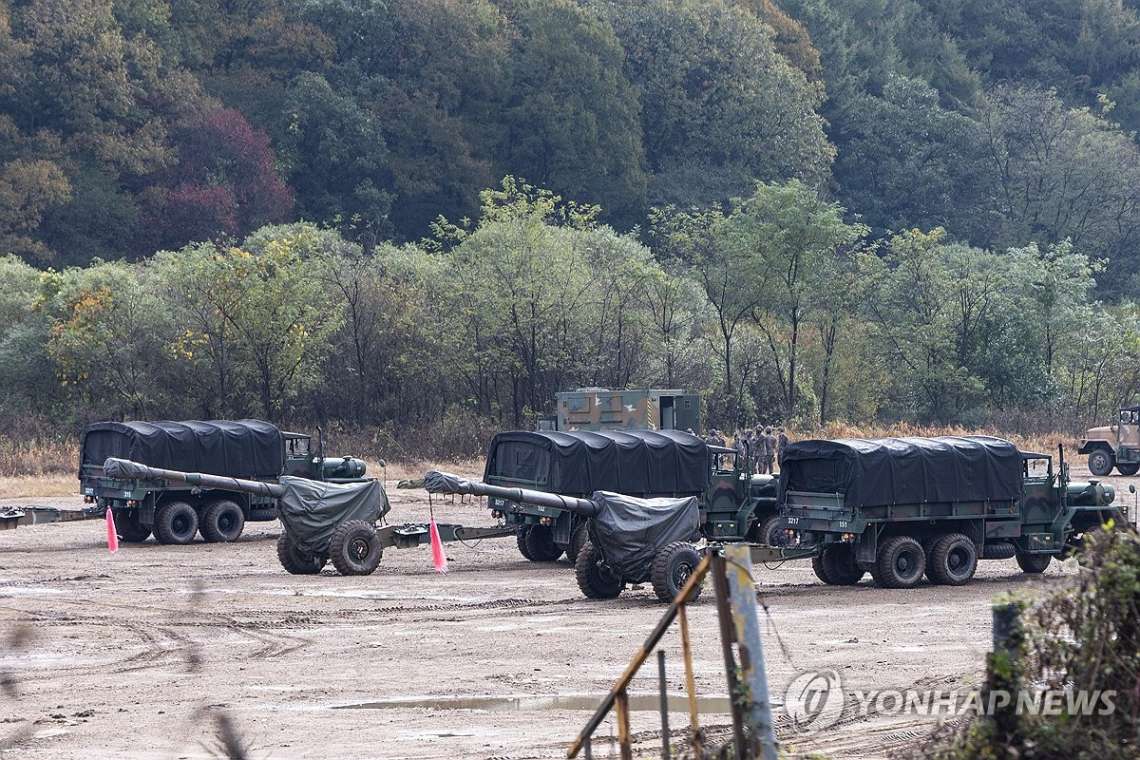
Under the agreement, US aircraft, personnel, and equipment will be allowed to refuel and conduct technical operations at the San Isidro Air Base and Las Américas International Airport. Dominican officials described the move as a limited but necessary measure aimed at reinforcing air and maritime defences at a time when transnational drug networks continue to exploit Caribbean routes.
The announcement marks the first major public security arrangement the US has struck with a Caribbean nation since launching deadly aerial strikes on suspected drug-smuggling vessels in early September—operations that have resulted in at least 83 deaths. Washington’s heightened presence in the region has raised geopolitical questions, but Hegseth insisted the Dominican Republic was acting out of leadership, not pressure, saying the country had “stepped up” at a critical moment.
President Abinader emphasised that the arrangement remains technical and temporary, stressing that its sole purpose is to strengthen the protective “ring” maintained by the Dominican armed forces. Government officials later outlined that US KC-135 tanker aircraft will expand surveillance capacity and refuel partner-nation planes involved in monitoring illicit maritime movements, while C-130 Hercules units will support disaster response, medical evacuations, and weather reconnaissance.
The Dominican government argues that such cooperation has already produced measurable results. Authorities have seized nearly ten times more narcotics annually over the past five years compared with the previous decade, which officials attribute to closer coordination with the United States. Abinader reiterated that drug trafficking posed a borderless threat “that destroys families” and that no nation could confront it alone.
Hegseth, meanwhile, framed the collaboration as part of a wider mission to disrupt narco-terror networks. He maintained that US forces possess unmatched intelligence capabilities and a detailed understanding of trafficking routes, operatives, and cargo movements.
The regional picture remains complex. Trinidad and Tobago’s Prime Minister Kamla Persad-Bissessar has publicly defended US strikes despite criticism, stating that she held no sympathy for traffickers. Her government confirmed that US marines had recently carried out training and infrastructure work but insisted no offensive operations were being planned from its territory.
Washington has also approached other regional partners, including Grenada, where discussions about a potential temporary radar installation remain ongoing. While no decisions have been announced, Caribbean leaders continue to weigh cooperation with the US against broader regional sensitivities—particularly as American military activity expands to levels not seen in a generation.