EU accelerates plans for a high-tech drone wall and €140bn Ukraine loan, balancing defence needs with legal hurdles, as Russian incursions heighten pressure on Europe’s eastern flank.
The European Union is pressing forward with plans to construct a high-tech “drone wall” along its eastern borders, amid mounting security concerns over Russian airspace incursions and intensifying discussions on a €140 billion financial package to support Ukraine.
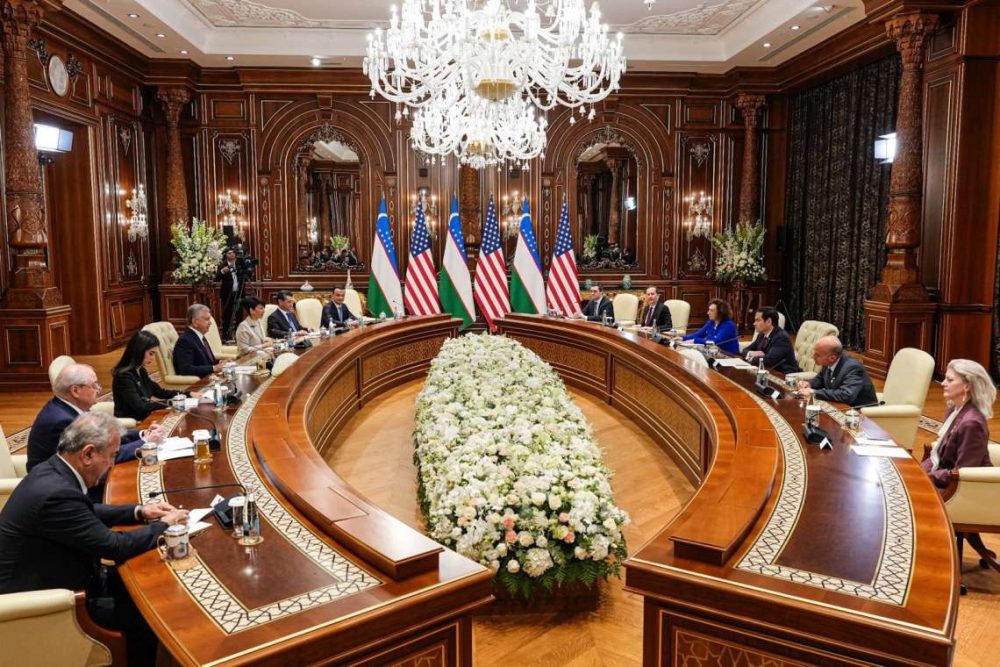
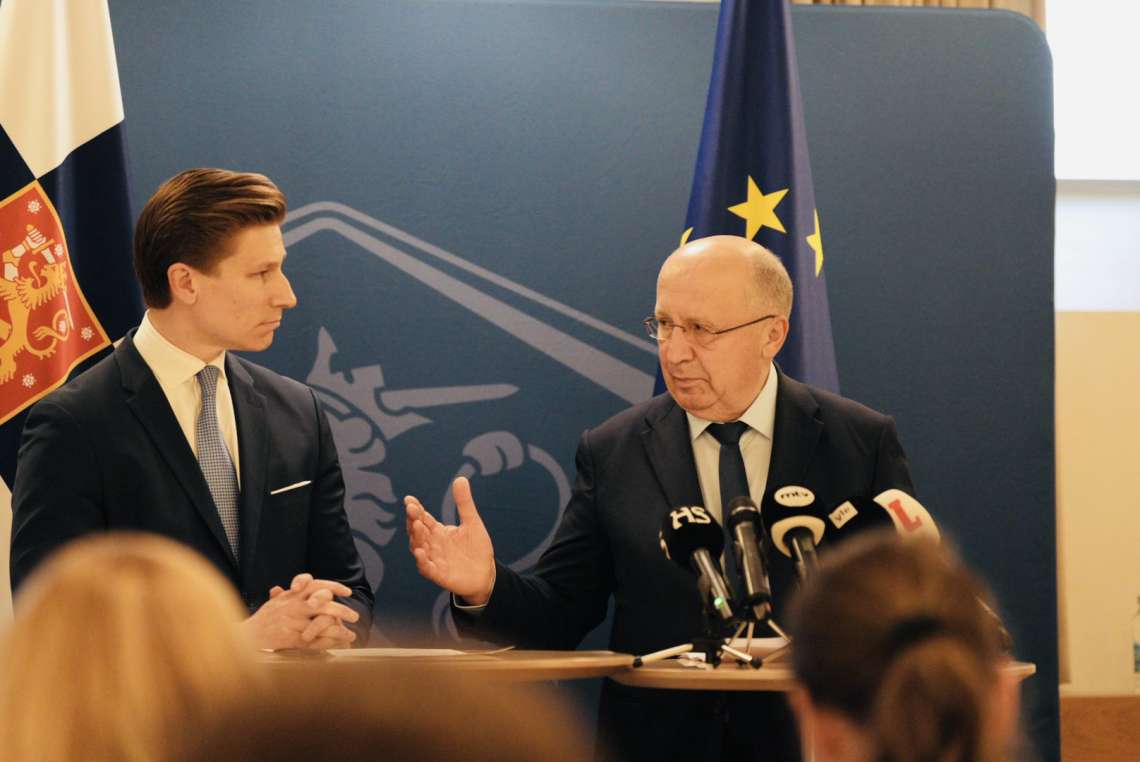
At a gathering of defence ministers from ten central and eastern European states, joined by Ukraine, EU Defence Commissioner Andrius Kubilius stressed that a robust aerial shield had become an urgent priority. He described the drone wall as a “core element” of Europe’s defensive posture, designed to protect its skies from hostile drones, fighter jets, and other incursions from Russia, the Guardian reported.
The initiative has accelerated following a series of alarming incidents, including drone flights over Denmark, Poland, and Romania, and the violation of Estonian airspace by Russian warplanes. The pattern of provocations, coupled with Moscow’s ongoing bombardment of Ukrainian cities, has galvanised Brussels to act swiftly.
Kubilius emphasised the need for layered defences, combining advanced detection systems—such as radars and acoustic sensors—with interception capabilities. However, he also noted the financial imbalance between low-cost drones and the expensive missiles often required to neutralise them. “If you are using air missiles that cost €1 million to shoot down a drone worth €10,000, the economics simply do not work,” he observed.
The Kremlin, for its part, lashed out at suggestions by former US president Donald Trump that NATO members should be prepared to shoot down Russian aircraft violating European airspace, calling the notion “reckless” and “irresponsible.”
While defence measures dominated the ministerial talks, attention also turned to Ukraine’s long-term financial stability. A leaked proposal has revealed growing momentum for a €140 billion loan package to Kyiv, backed by Russia’s frozen assets in Europe. The European Commission believes such a scheme could be structured without confiscating the underlying capital, instead leveraging immobilised Russian central bank reserves as security.
Currently, the EU channels profits generated by these frozen assets into Ukrainian support funds, but the principal remains untouched. Germany, France, and Belgium have long resisted calls to seize the assets outright, citing legal and financial risks. Yet the new approach seeks to create an interest-free loan guaranteed by EU member states, with repayment assumed to come from future reparations paid by Moscow.
German Chancellor Friedrich Merz has publicly swung behind the plan, penning an opinion piece in the Financial Times in which he endorsed the creation of a “legally secure financial instrument” capable of supporting Ukraine’s resilience for years to come. He argued that while unanimity among the EU’s 27 member states would be ideal, majority approval may prove necessary, particularly given Hungary’s tendency to act as Moscow’s spoiler within the bloc.
Hungary has never outright blocked sanctions on Russia, but its ability to exploit the EU’s six-month sanctions renewal cycle gives it significant leverage. Officials are therefore exploring legal mechanisms to bypass the unanimity requirement, ensuring progress is not held hostage to Hungarian objections.
The stakes could not be higher. With more than 1,300 days of full-scale war behind it, Ukraine continues to absorb devastating attacks on infrastructure and civilian areas, while Europe grapples with the security risks of Russian military adventurism spilling across its own borders.
The proposals for the drone wall and the reparations-backed loan are expected to dominate discussions at a summit in Copenhagen next week, with EU leaders aiming to finalise agreements by the end of October. For Brussels, the dual initiatives represent two sides of the same coin: securing Europe’s skies while ensuring Ukraine has the resources to withstand and eventually overcome Russian aggression.