A Devon-based family firm warns of “lottery” export conditions after three lorry loads of live mussels were turned away by French authorities despite years of successful Brexit trade
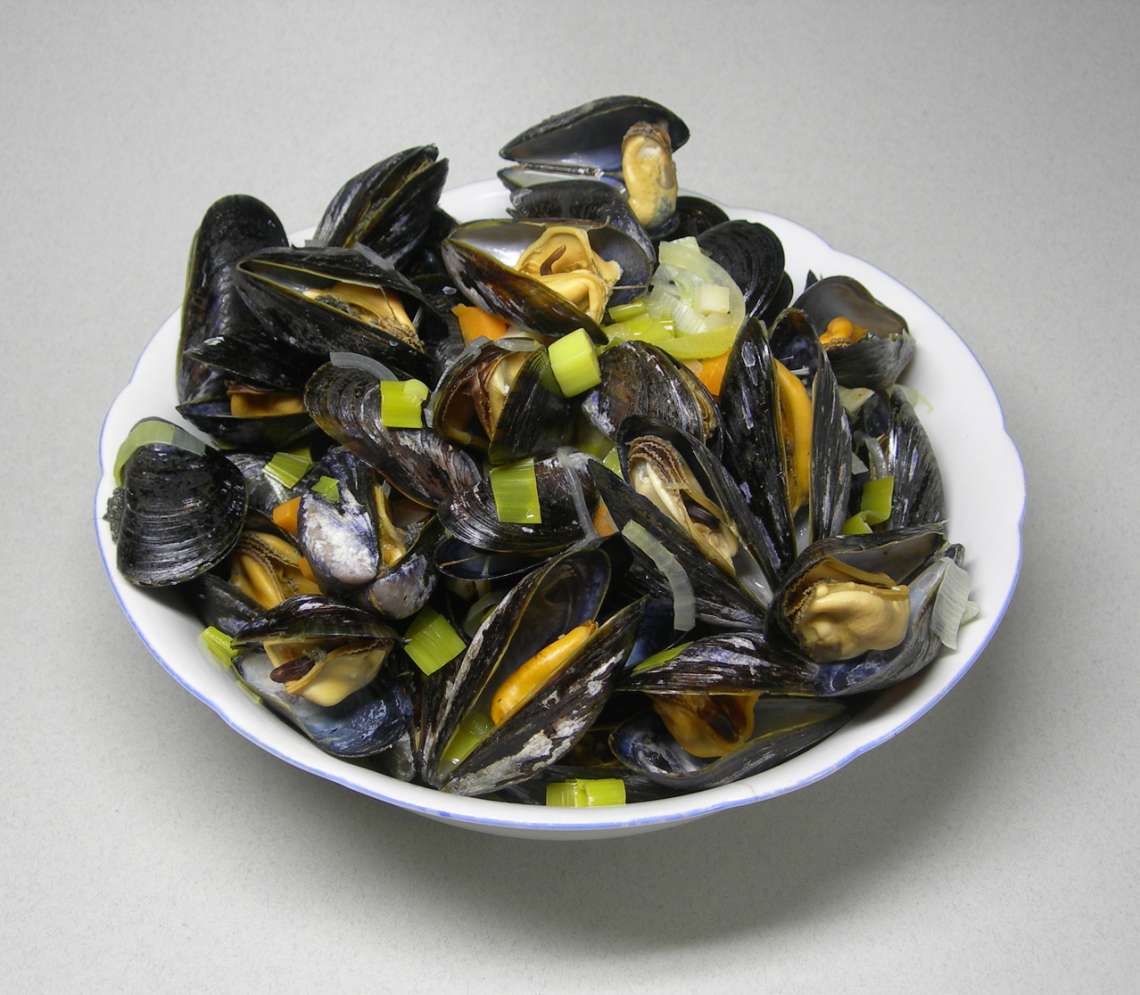
The Devon-based firm Offshore Shellfish Ltd has revealed it suffered losses of around £150,000 after French customs officers rejected three of its recent shipments to the EU. The family-run business exports rope-grown blue mussels from offshore in Lyme Bay, several miles off the south Devon coast.
According to the company’s commercial director, Sarah Holmyard, three out of four export lorries in the past month were prevented from entering the EU at the port of Boulogne-sur-Mer. All three rejected loads had to be destroyed at the company’s cost. The rejections came despite previous successful exports: “We have sent hundreds and hundreds of loads since Brexit. We’ve never had a single one rejected,” she said. “We’ve had a couple of paperwork issues, but we’ve never had our mussels rejected and now in the last month we’ve had three loads rejected.”
Holmyard described the latest refusals as “completely subjective and … inconsistent, which means you can’t plan for it. It’s just a lottery at the moment whether they get through or not, and we absolutely can’t run a business in that way because it’s too uncertain.”
The mussels are grown on ropes in open waters off south Devon and most of the harvest is exported — processed in the Netherlands and ending up on restaurant and supermarket shelves in Belgium, notably in dishes such as moules-frites.
Since the UK’s departure from the European Union, animal and plant products have required health and veterinary checks when exported to the bloc, and live bivalve molluscs in particular are subject to stringent sanitary and phytosanitary (SPS) controls. Under EU rules, live mussels, oysters, scallops, cockles and clams can only be imported without treatment if they originate from waters classified as “class A” for safety. Most UK waters do not meet that standard, though Offshore Shellfish’s sites are in waters considered class A for much of the year.
The company’s challenges coincide with the UK government’s recently announced “reset” deal with the EU, aimed at removing the need for SPS checks and reducing red tape for British food producers and retailers. Negotiations for a final deal are expected to be implemented by 2027. Many in the shellfish industry, including Offshore Shellfish, believe this timeline is too long.
Holmyard suggested the sudden spike in border refusals might be politically motivated. She pointed out that the rejections began only after the reset announcement and stated: “The cited reason [for the rejection of two lorries] was that they hadn’t been properly washed. But they came out of clean water and they were washed.”
A UK government spokesperson responded by stating: “We are focused on negotiating an SPS deal that could add up to £5.1 bn a year to our economy, by cutting costs and reducing red tape for British producers and retailers. We continue to engage with industry and EU border teams to maintain trade whilst protecting our biosecurity.”
Offshore Shellfish was founded by Holmyard’s father, John Holmyard, who has worked in mussel farming for more than 30 years. The business is described on its website as one of the UK’s largest offshore rope-cultured mussel farms and holds certifications including ASC (Aquaculture Stewardship Council) and organic credentials.
The timing of the rejections is particularly damaging: the seizures of the deliveries occurred at the start of the export season, when the company had expected to begin earning from sales after the mussels’ spawning and recovery period. The company now faces not only direct financial losses from destroyed loads but also reputational risk as it fears losing customers if repeat failures happen. “We’ve lost a lot of money in the last few weeks just on these failed loads and it’s not something we can continue to do,” Holmyard said. “It’s a lot of food waste and live animal waste, at a time both nations [France and the UK] are meant to be looking at food security.”
Talks are underway between the Holmyards, their Dutch processing partners and French officials in Boulogne-sur-Mer. French authorities have agreed to be more flexible in their interpretation of the rules, though this remains untested. Offshore Shellfish hopes to resume exports soon but the lack of clarity and consistency remains a major concern.
In summary, this latest episode highlights the ongoing regulatory and trade barriers facing UK shellfish exporters in the post-Brexit era — even for companies operating under high standards — and adds pressure on the government and industry to expedite practical solutions.