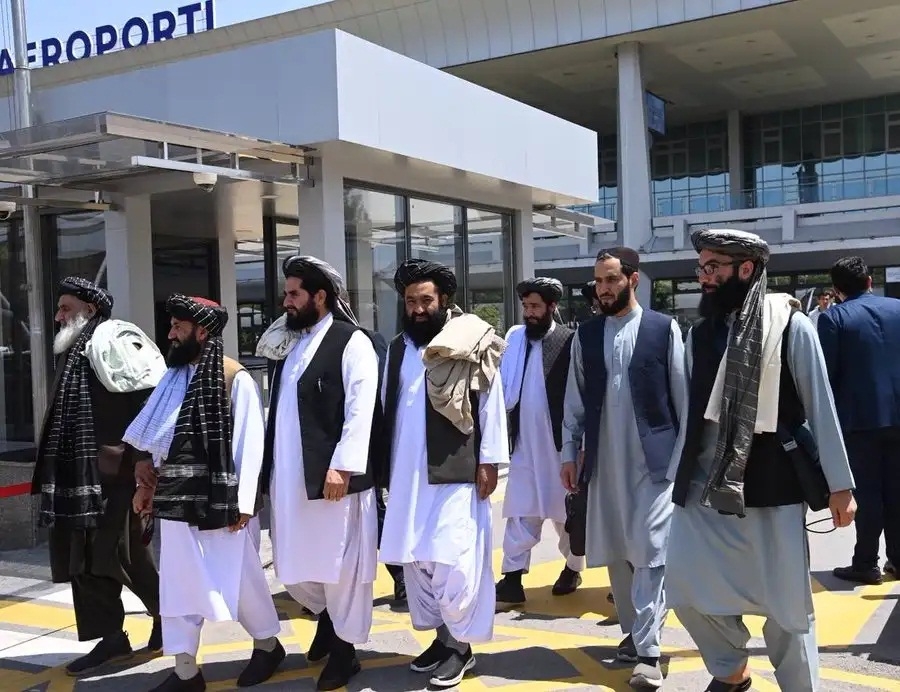
Afghanistan has again come under international scrutiny at the UN General Assembly, with concerns over human rights, humanitarian needs and political isolation….reports Asian Lite News Desk
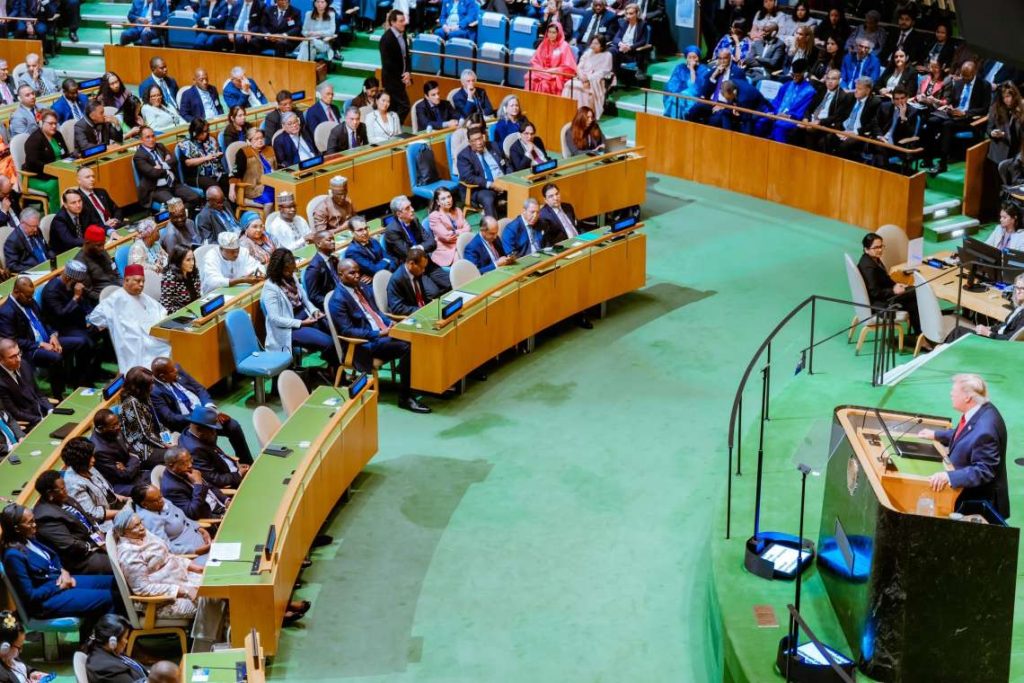
Afghanistan has once again drawn international attention at the 81st United Nations General Assembly in New York, with concerns over human rights, humanitarian needs and the absence of an inclusive political settlement continuing to dominate discussions.
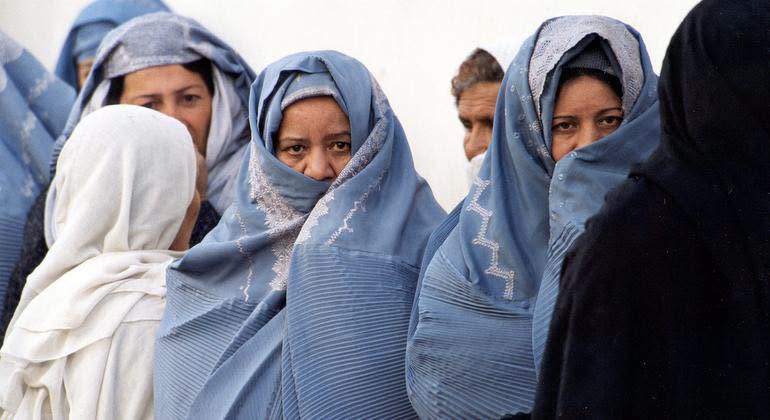
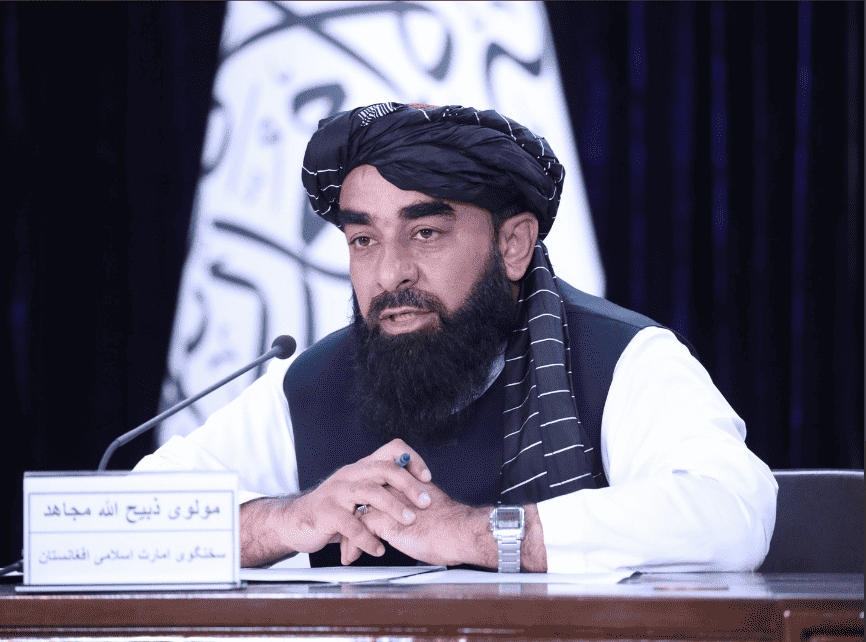
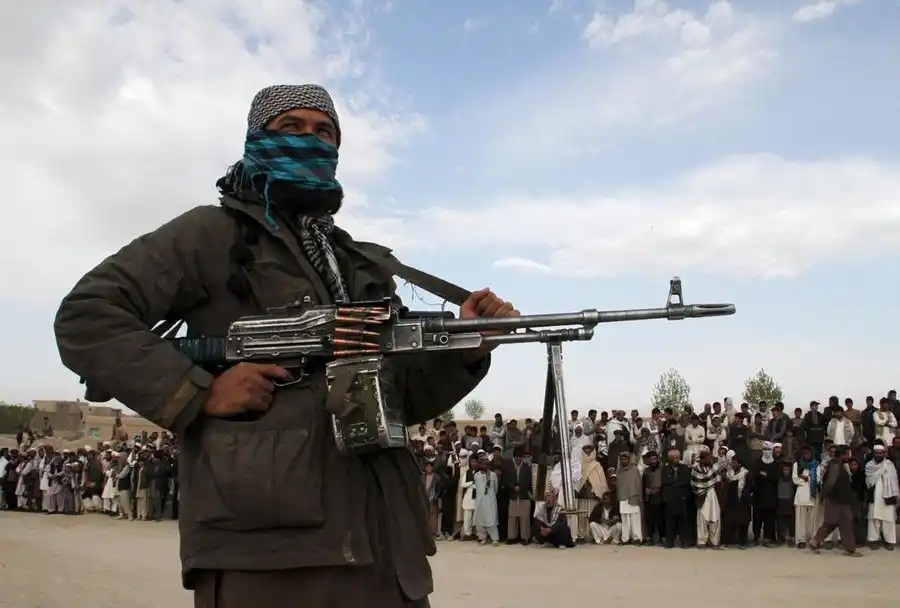
The international community, including India, has raised concerns over restrictions on women’s rights, education and other human rights under Taliban rule. The Taliban authorities have not received broad international recognition, with Russia being the notable exception.
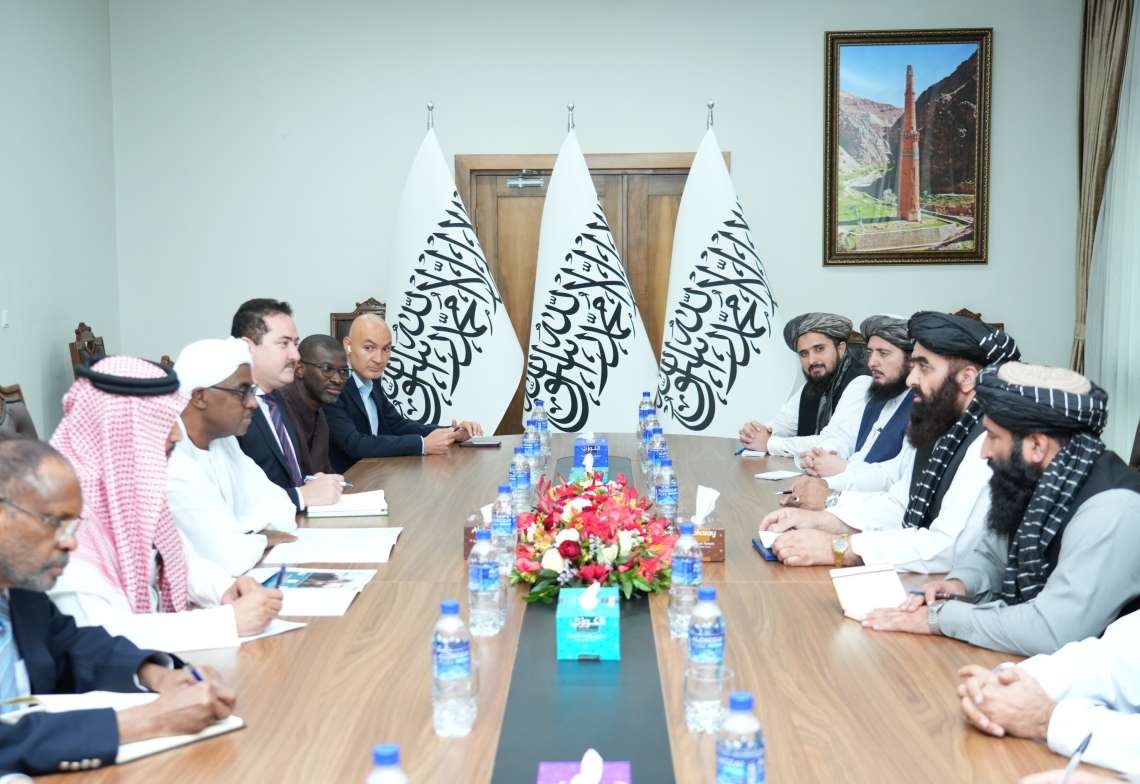
The United Nations has also not accepted the Taliban’s claim to represent Afghanistan at the world body. India and several other countries, while withholding formal recognition, have maintained engagement with Kabul and continued providing humanitarian and development assistance.
New Delhi has also stressed assurances from the Taliban that Afghan territory will not be used for activities that threaten regional security.
India has supplied food, medicines, vaccines and other essential items to help Afghans cope with conflict, political instability and natural disasters. It has also supported infrastructure, education, healthcare and capacity-building projects.
New Delhi has said its assistance is focused on the welfare of the Afghan people, while linking its engagement to wider objectives of regional stability, peace and humanitarian cooperation.
The humanitarian situation remains severe. A UN statement issued earlier this month said food insecurity, malnutrition and public health concerns had persisted, while operational constraints, funding shortages and restrictions affecting women humanitarian workers continued to hamper aid delivery.
“Humanitarian needs remained acute amid severe funding shortages,” the statement said.
The UN said the 2026 Afghanistan Humanitarian Needs Response Plan was only 29.9 per cent funded, with $513 million received against the $1.7 billion required.
UN Secretary-General António Guterres also highlighted continuing human rights concerns linked to Taliban policies, including restrictions affecting women and girls, limitations imposed on men and women, arrests of journalists, reported violations of the general amnesty for members of the former government and the continued use of corporal punishment.
The security situation has also added to the country’s difficulties. The UN statement referred to border skirmishes and reported Pakistan Air Force bombing deep inside Afghan territory. It said hostilities between April 1 and June 30 resulted in 399 civilian casualties in Afghanistan, including 57 deaths and 342 injuries.
The question of Afghanistan’s representation at the United Nations remains another point of contention.
In an earlier interview with an Afghan newspaper, Naseer Ahmad Faiq, acting Chargé d’Affaires of Afghanistan’s Permanent Mission to the UN, said Taliban authorities had contacted him through former colleagues in Kabul’s Foreign Ministry and directly sought control of Afghanistan’s seat at the world body.
Faiq has instead emphasised the interests of the Afghan people, respect for human rights, particularly women’s rights, and legitimate sovereignty.
At a high-level side event during the 81st UNGA, Faiq argued that Afghan women should not be treated solely as victims but as political stakeholders whose meaningful participation is essential to any sustainable peace process.
He said Afghanistan’s crisis could not be addressed only through humanitarian assistance or the reopening of schools for girls, despite the importance of both issues.
Faiq called for a comprehensive political approach based on justice, accountability, inclusion and national reconciliation.
The side event, titled “Women, Peace, Justice and National Reconciliation in Afghanistan”, was organised by the Princeton School of Public Service and International Affairs. Participants stressed that sustainable peace would require legitimate institutions, respect for human rights, accountability, social trust and meaningful participation by women and diverse political stakeholders.
The event also highlighted the lack of progress towards an inclusive political settlement despite years of international engagement.
Meanwhile, leaders addressing the UN General Debate have repeatedly highlighted sovereignty, multilateralism, international law and the peaceful resolution of disputes.
For Afghanistan, however, international concern has yet to translate into a comprehensive political settlement. The country continues to face economic hardship, restrictions on women and political isolation, alongside significant humanitarian needs.
India has continued to maintain engagement with Kabul while withholding formal recognition, focusing on humanitarian assistance, development support and security concerns.
The continuing debate at the UNGA underscores the challenge facing the international community: balancing humanitarian engagement, human rights concerns, regional security and the need for a political process that includes a broader range of Afghan stakeholders.