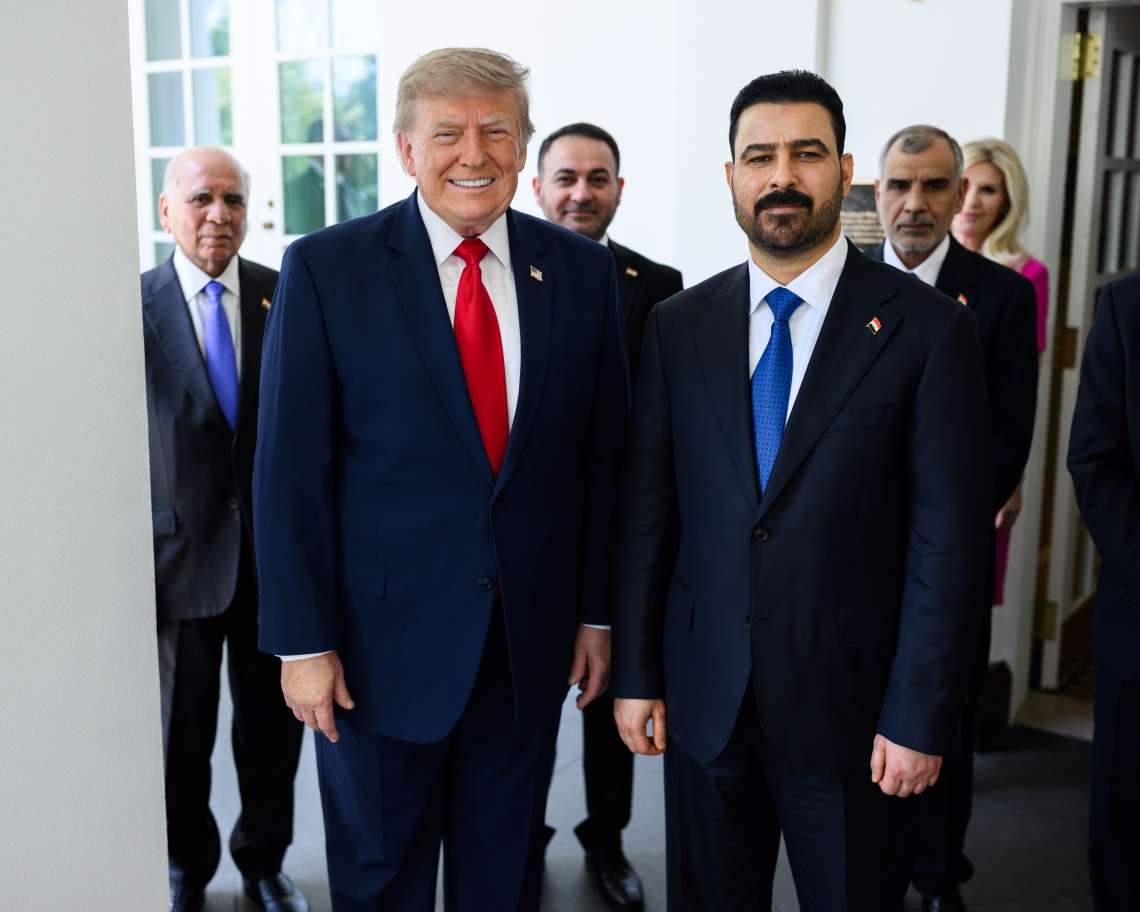
Iraqi Prime Minister Ali al-Zaidi has told US President Donald Trump that Baghdad will not allow its territory to be used to launch attacks against neighbouring countries, as the government seeks to keep the country out of a renewed regional conflict….reports Asian Lite News Desk
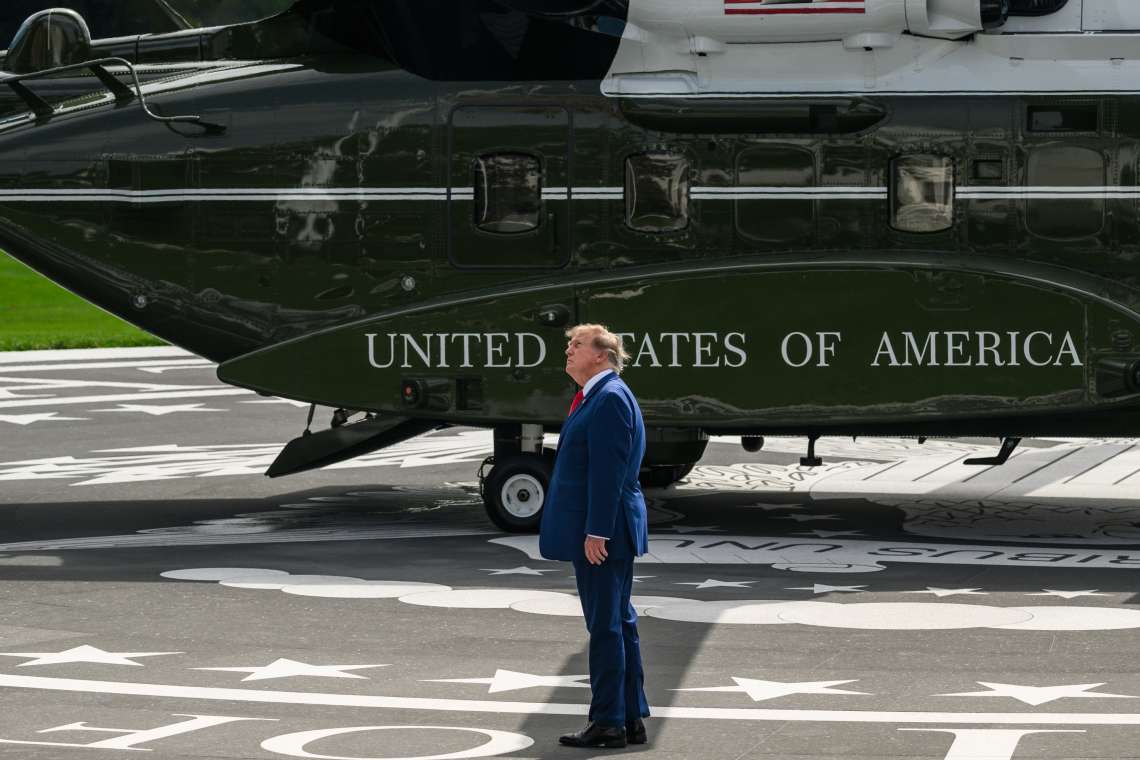
Iraq has warned Washington against using its territory as a base for military action against neighbouring states, with Prime Minister Ali al-Zaidi conveying the position directly to US President Donald Trump during a telephone conversation this week.
According to a statement from the Iraqi prime minister’s office, the two leaders discussed “the evolving situation in the region, security developments, and prospects for the next phase”.
Al-Zaidi reiterated Baghdad’s position on sovereignty, calling for “respect for the sovereignty of states and for Iraqi territory not to be used as a launching point for attacks against neighbouring countries”.
He also stressed the importance of dialogue and diplomacy in protecting regional security and stability. The statement said both leaders discussed coordination on shared challenges and agreed on the need to maintain contact.
The Iraqi statement did not specify whether Trump had sought permission to use Iraqi territory or airspace for military operations. Nor did it disclose the US president’s response to al-Zaidi’s position.
Iraq’s Foreign Minister Fuad Hussein has separately warned armed groups in the country against becoming involved in any Iranian retaliation if the United States launches further attacks.
Speaking to Dijlah TV on Thursday, Hussein said the possibility of renewed US military action against Iran was “not a secret”.
“Pushing Iraqi society into the war will lead to a disaster,” he said. “We are not prepared for war. Neither Iraqi society nor the armed forces are prepared for war.”
Hussein said Iraq had already been turned into a battlefield following the US strikes on Iran, with the country facing attacks from the United States, Iran and armed groups operating within its borders.
“We are not part of any axis, and we do not want to let the Iraqi arena be turned into a battlefield,” he said.
“We have good relations with the US and with our neighbour Iran. We need a clear policy that we are not a part of the war, and we do not want to be a part of the war.”
The comments underline Baghdad’s difficulty in maintaining relations with both Washington and Tehran while attempting to prevent armed groups operating in Iraq from drawing the country further into the conflict.
Since taking office in May, al-Zaidi has made the disarmament of armed groups a priority. Several powerful factions with links to Iran have carried out attacks in support of Tehran during the conflict.
Iraq’s Gulf neighbours have also accused Iran-aligned militias of launching attacks from Iraqi territory. Some of the strikes have targeted oil infrastructure and US military bases in the region.
Oil losses deepen pressure on Baghdad
The conflict has also inflicted a heavy economic cost on Iraq, whose oil exports depend heavily on shipping routes through the Strait of Hormuz.
Al Jazeera reported that Iraq had lost more than $60 billion in oil revenues since the war began. About 90 per cent of the country’s oil exports normally pass through the strait, which was largely closed to shipping after Tehran shut the waterway.
Oil revenues account for around 90 per cent of Iraq’s federal budget, leaving government finances particularly exposed to disruption.
Iraq has been among a small number of countries granted permission by Iran to continue using the Strait of Hormuz, according to Al Jazeera.
Baghdad has made similar assurances to other regional leaders. Al-Zaidi gave Saudi Crown Prince Mohammed bin Salman the same pledge during a visit to Riyadh on 14 October.
Iraqi authorities have also said that drones involved in an attack on Saudi Arabia’s East-West oil pipeline on 11 September were launched from Iraq’s Maysan governorate.
On 27 October, government spokesperson Haider al-Aboudi told the state-run Iraqi News Agency that Iraq’s constitution prohibited the country’s territory from being used as a base or route for attacks against neighbouring states.
The latest call with Trump followed al-Zaidi’s meeting with Bahrain’s King Hamad bin Isa Al Khalifa in Manama on Wednesday. It also came as Qatar pursued indirect talks between Washington and Tehran.