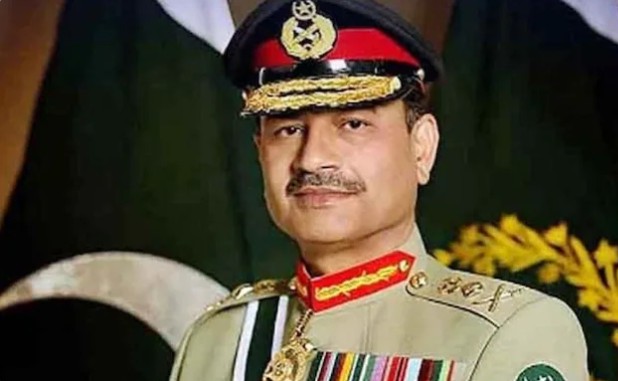
Pakistan’s promotion of General Asim Munir to Field Marshal amid military setbacks and political turmoil sparks fierce criticism at home and abroad, highlighting deep divisions over leadership, accountability, and regional stability.
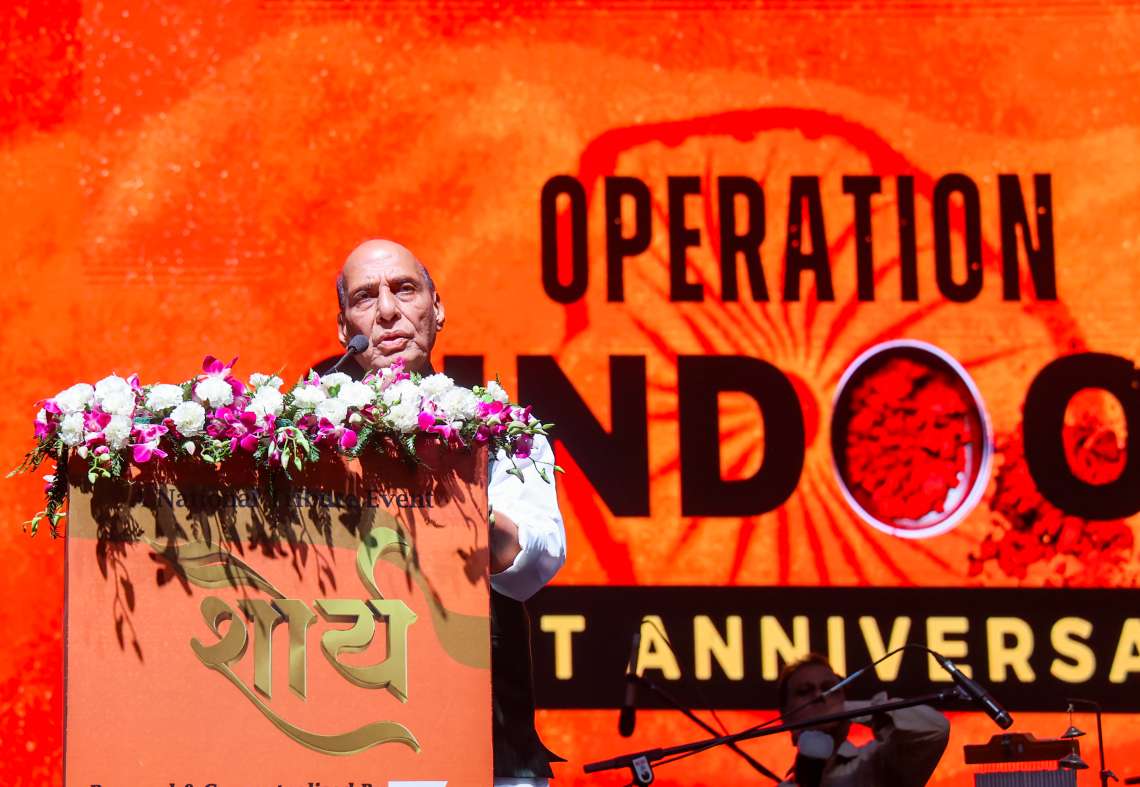
In a rare and controversial move, Pakistan’s Cabinet, chaired by Prime Minister Shehbaz Sharif, announced on Tuesday the promotion of Chief of Army Staff General Asim Munir to the rank of Field Marshal. This unprecedented decision comes in the wake of heightened tensions following India’s Operation Sindoor, a swift and targeted military action against terror infrastructure inside Pakistan, triggered by the Pahalgam massacre in Jammu & Kashmir.
General Munir, 57, now becomes only the second Field Marshal in Pakistan’s 78-year history, following military ruler Ayub Khan, who promoted himself in 1959. The government praised Munir’s “brilliant military leadership, bravery, and commitment to defending Pakistan’s sovereignty,” particularly highlighting his role in the recent Operation Bunyan-um-Marsoos. The promotion has been officially framed as recognition of Munir’s strategic acumen in securing the country and responding to external threats.
However, the elevation of General Munir has sparked sharp criticism both inside Pakistan and internationally. Analysts and commentators have ridiculed the move, noting it is the first time a Pakistani Army Chief has been promoted to such a high rank after a military setback. Many suggest that the promotion serves as a political tool for Munir to consolidate power amid growing domestic challenges.
Observers argue that Munir’s promotion is more of a self-assertion akin to his predecessor Ayub Khan’s self-promotion, reflecting an attempt to strengthen his grip over Pakistan’s military and political establishment following what many view as a humiliating setback during Operation Sindoor. Social media commentary has drawn parallels to former military strongman Pervez Musharraf, warning of a “Musharraf 2.0” scenario with Munir.
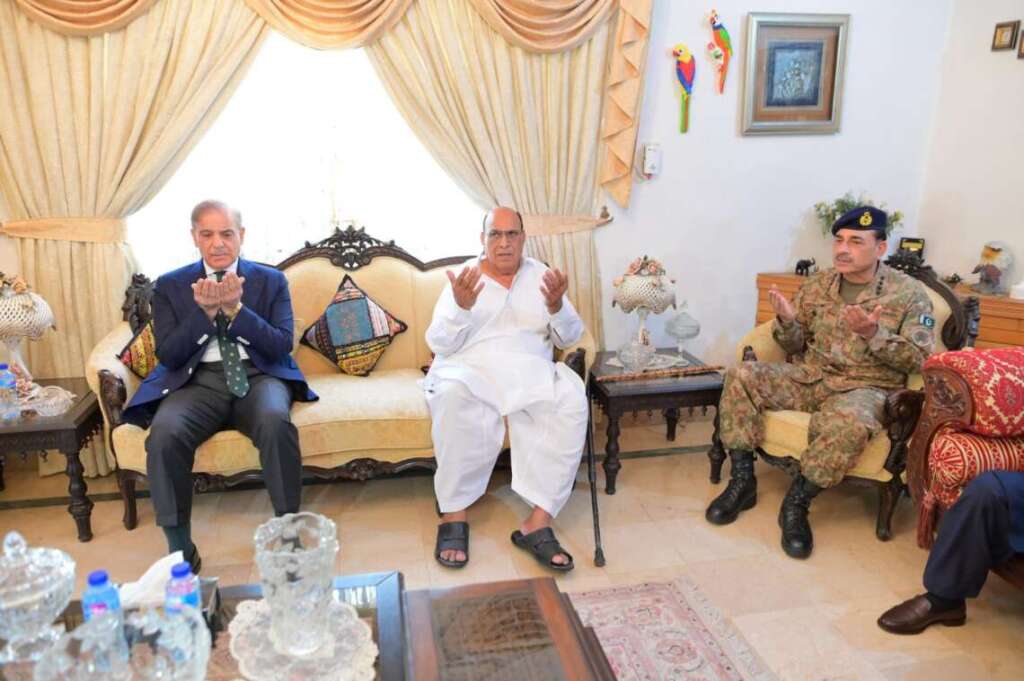
The recent military conflict saw India demonstrate overwhelming superiority, striking terror camps, drone hubs, and military bases deep inside Pakistan with precision. In contrast, Pakistan failed to penetrate any significant target inside Indian territory, further adding to domestic criticism of Munir’s leadership.
Munir blamed for Kashmir attack
Adding fuel to the controversy, General Munir has come under fire for his inflammatory rhetoric preceding the Pahalgam attack, where Islamist militants killed 26 Hindu tourists. Just days before the attack, Munir made statements emphasising a deep Hindu-Muslim divide, asserting that Muslims and Hindus fundamentally cannot coexist in the same nation. These remarks were widely condemned as incendiary and blamed for encouraging the militant violence that followed.
Prominent voices, including former US Pentagon official Michael Rubin, have labelled Munir akin to a terrorist figure, drawing chilling comparisons to Osama Bin Laden. Rubin condemned Munir’s comments as giving a “green light” to terror attacks targeting innocent civilians, stating, “Targeting a vacation resort, middle-class Hindus, it is evident that the Pakistanis are trying the same tactic now.”
Academics and analysts echoed this sentiment. Joshua T White, a South Asia expert at Johns Hopkins University, described Munir’s rhetoric as “particularly inflammatory,” breaking with even Pakistan’s usual political discourse. Senior fellow Ayesha Siddiqa of King’s College London warned that Munir’s ideological zeal and aggressive posture risk further destabilising Pakistan during a period of severe economic and political strain.
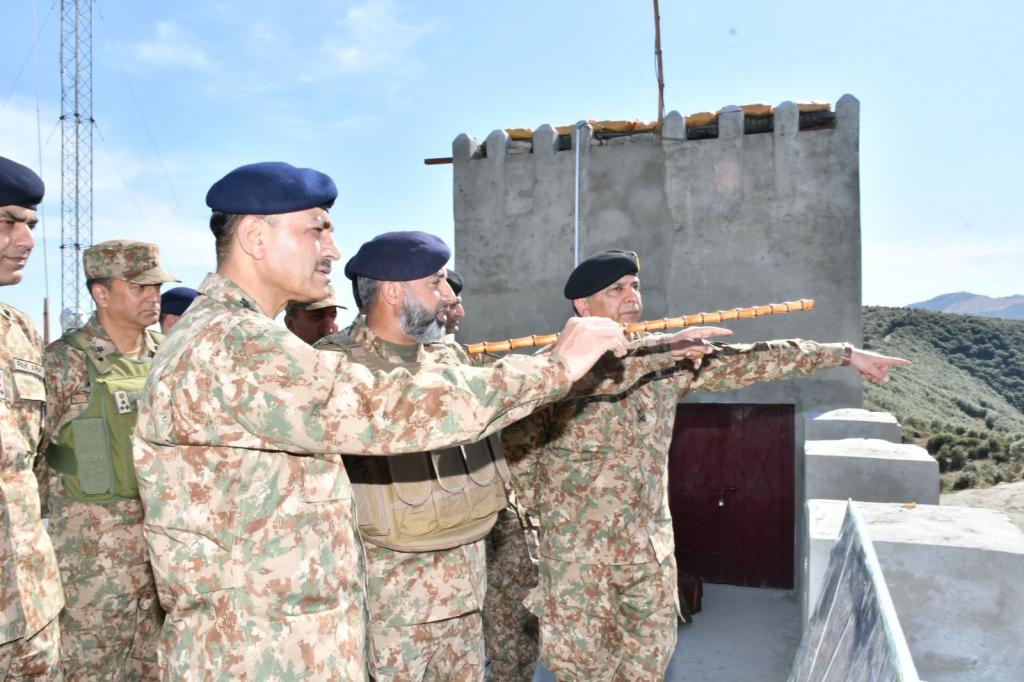
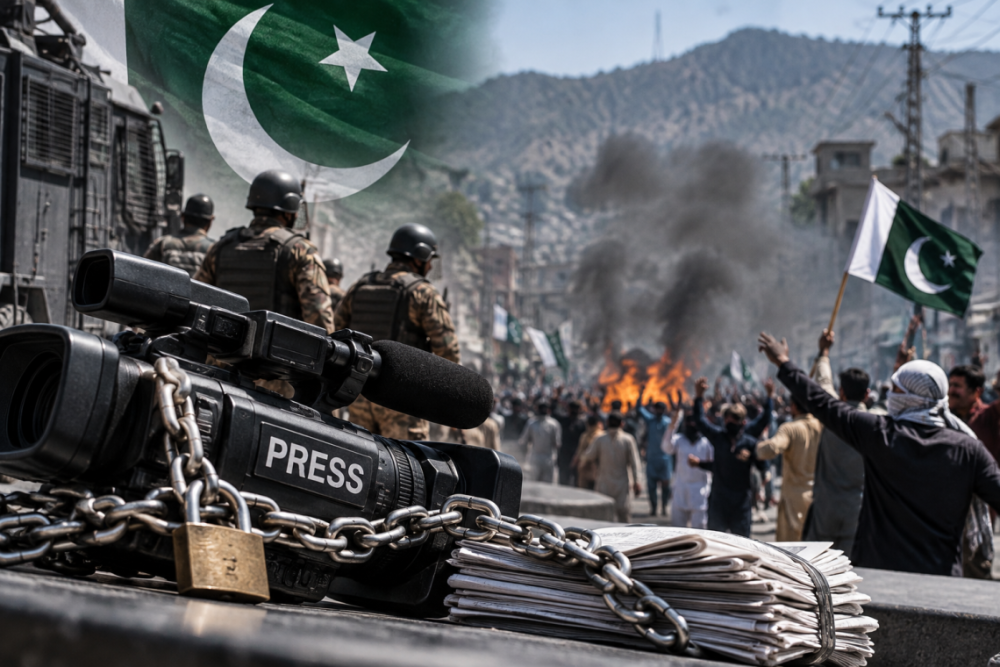
Munir’s reputation within Pakistan is equally fraught. His tenure has been marked by harsh crackdowns on political opponents, including the controversial arrest of former Prime Minister Imran Khan, whom Munir is widely believed to have targeted directly. Public outrage has grown over allegations of tyranny and repression, with many Pakistanis accusing Munir of using the military to suppress dissent and cling to power.
Retired Pakistani Army Major Adil Raja has been among the most vocal critics, claiming Munir orchestrated the Kashmir attack to consolidate his authority, endangering regional stability and Pakistan’s own future. Raja called for Munir’s removal and prosecution, warning that “his leadership has destabilised not only the military but also the political and economic landscape” of Pakistan.
The extension of Air Chief Marshal Zaheer Ahmad Babar Sidhu’s tenure was also announced alongside Munir’s promotion, with the government citing his leadership during the recent conflict as justification. However, this move too is seen as reinforcing the military establishment’s hold over the country.
Internationally, US Congressman Ro Khanna described Munir as a “dictator” presiding over a country lacking any “honest voice.” Within Pakistan, a groundswell of criticism continues to demand accountability, with some questioning Munir’s absence from funeral prayers of fallen military personnel, accusing him of prioritising power above all else.
The promotion of General Asim Munir to Field Marshal thus comes at a time of profound controversy and uncertainty, highlighting deep divisions within Pakistan’s military, political leadership, and society at large. While the government celebrates the elevation as a symbol of strength, critics warn it could entrench authoritarianism and further fuel instability in a country already struggling with internal and external crises.