The US Supreme Court has ruled that federal district judges do not have the authority to issue nationwide injunctions against President Donald Trump’s executive order targeting birthright citizenship, handing the administration a significant legal victory in a 6-3 decision split along ideological lines.
The ruling, seen as a blow to the ability of lower courts to pause federal actions nationwide, effectively narrows judicial oversight and paves the way for the Trump administration to proceed with its controversial plan to end automatic citizenship for some children born in the United States.
Writing for the conservative majority, Justice Amy Coney Barrett underscored the limits of judicial power, stating that federal courts “do not exercise general oversight of the Executive Branch.” She argued that even if the executive acted unlawfully, it was not within the court’s remit to overextend its own authority.
The three liberal justices strongly dissented, with Justice Sonia Sotomayor warning that the ruling sidestepped the constitutional implications of Trump’s executive order. Emphasising that the right to birthright citizenship has been settled law since the nation’s founding, she expressed concern over what she characterised as judicial acquiescence. The decision, she argued, dodges the fundamental issue of constitutionality and focuses narrowly on judicial process.
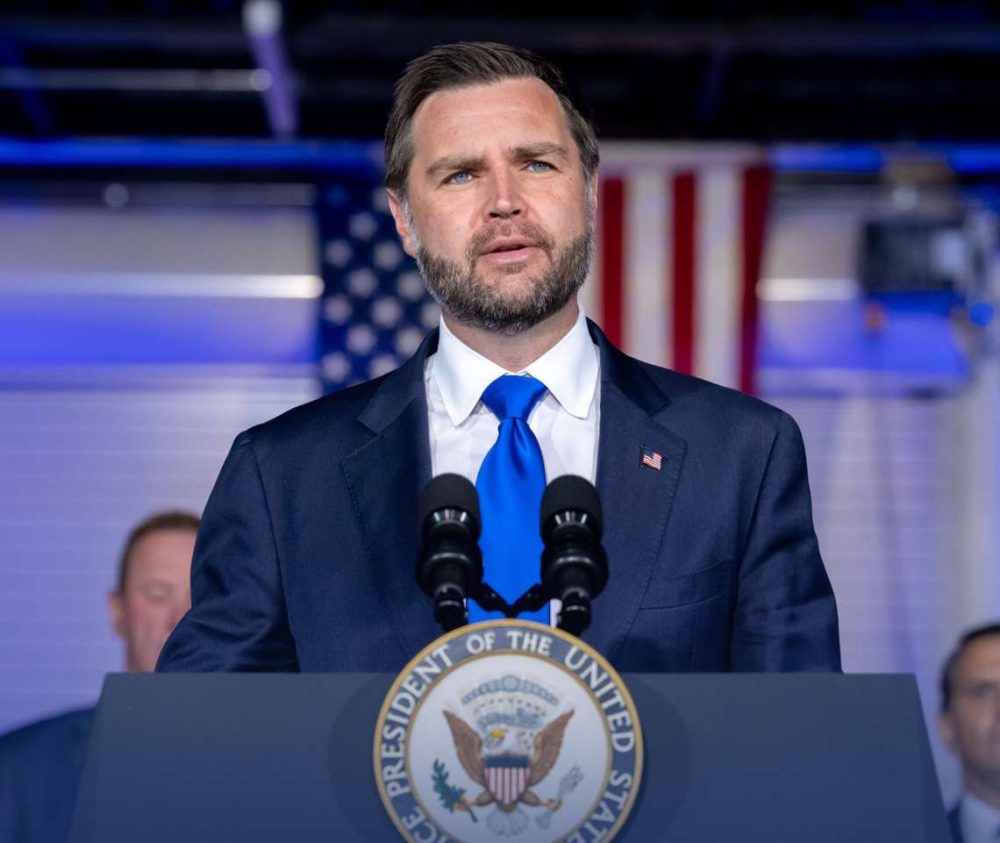
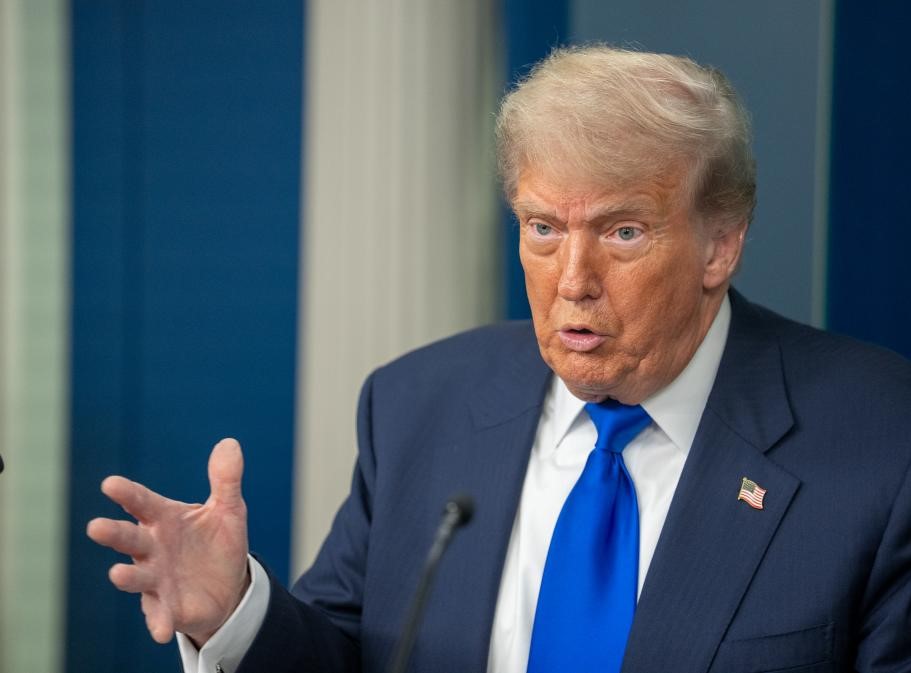
The Trump administration swiftly welcomed the ruling. President Trump celebrated it as a “giant win” and a “monumental victory for the Constitution,” declaring that the judiciary must also abide by the law. Vice President JD Vance echoed the sentiment, praising the Court for striking down what he called “the ridiculous process of nationwide injunctions.”
US Attorney General Pam Bondi also lauded the decision, saying it would put an end to what she described as a “barrage” of judicial blockades targeting the administration’s agenda. She confirmed that the Justice Department would press on with defending the order and the president’s executive powers.
However, the ruling has triggered swift legal and public backlash. Advocacy groups that had sued to block the order announced a new class action lawsuit and a motion for a temporary restraining order in an effort to prevent the policy from being implemented. Legal experts say the Supreme Court’s decision doesn’t validate the order itself but instead shifts the procedural landscape for challenging it.
William Powell, senior counsel with the Institute for Constitutional Advocacy and Protection, noted that plaintiffs will now have to seek more targeted legal remedies. Meanwhile, immigration advocates expressed alarm over the confusion and fear the decision may cause.
Conchita Cruz of the Asylum Seeker Advocacy Project called the moment “confusing” for immigrant families who are uncertain about their legal status or how the decision could affect their children.
In a forceful statement, the National Latina Institute for Reproductive Justice declared its opposition, vowing to continue fighting for the rights and dignity of immigrant families.
Legal analysts have flagged the ruling as a significant rebalancing of powers in favour of the presidency. Former prosecutor Elie Honig noted that the decision will make it “more burdensome” for civil rights groups and state governments to push back against federal policies they believe are unconstitutional.
The contested executive order, signed just hours after President Trump’s inauguration in January, instructed federal agencies to stop recognising citizenship for children born in the US after February 19, unless at least one parent is a US citizen or permanent resident. It prompted immediate legal challenges from over 20 states and civil rights organisations, who argued that the move was a blatant violation of the 14th Amendment of the US Constitution.
That amendment clearly states: “All persons born or naturalised in the United States, and subject to the jurisdiction thereof, are citizens of the United States.” Trump’s order, however, claimed that individuals born to non-citizens were not fully “subject to the jurisdiction” of the United States, and thus not entitled to citizenship.
Federal judges in Washington, Maryland, and Massachusetts had previously halted the order through nationwide injunctions — a legal mechanism now curtailed by the Supreme Court’s latest decision.
As the Trump administration moves to enforce the order, its constitutionality remains under challenge. But following this ruling, those challenges will need to be more narrowly tailored, potentially making the path to judicial review steeper for the president’s critics.