Record visitors, booming hotels and landmark projects power the UAE’s tourism sector to AED257.3 billion in 2025, cementing its place among the world’s top destinations.
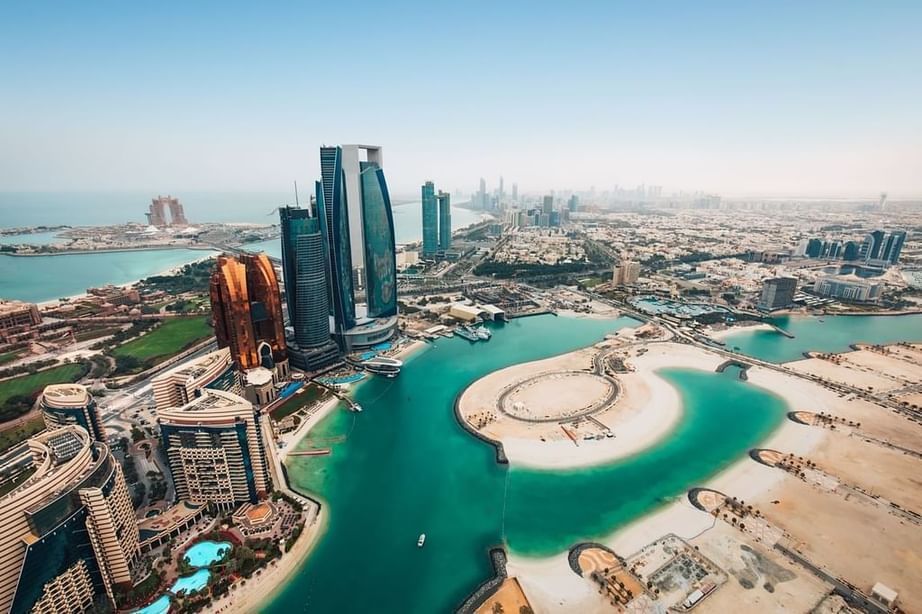
The United Arab Emirates’ tourism sector has delivered another landmark year, reinforcing its status as one of the country’s most powerful economic engines and a global destination of choice. In 2025, tourism and travel contributed an impressive AED257.3 billion to the national economy, accounting for 13 per cent of GDP, as visitor numbers, hotel performance and aviation traffic all reached new highs.
Driven by world-class infrastructure, bold destination development and a growing international reputation for quality and diversity, the sector continued its strong upward trajectory throughout the year. Hotels across the UAE welcomed 23.27 million guests in the first nine months alone, representing a 4.9 per cent increase compared to the same period last year. This surge translated into more than 79.3 million hotel nights, underlining the country’s appeal not just for short stays but for longer, experience-led visits.
Financial performance kept pace with rising demand. Hotel revenues climbed by 7.2 per cent to exceed AED35.9 billion, while average occupancy levels rose to a robust 79.2 per cent. The number of occupied rooms increased to 46.17 million, supported by a growing hospitality footprint of more than 216,000 rooms across 1,246 hotel establishments nationwide. Average daily room rates also strengthened, rising 4.2 per cent to AED557, reflecting sustained demand across luxury, mid-range and family-friendly segments.
The aviation sector played a critical role in this growth story. By the end of September, Abu Dhabi Airports, Dubai International Airport and Sharjah International Airport had collectively handled 108.59 million passengers, reinforcing the UAE’s position as a global aviation hub connecting East and West. Strong air connectivity continues to underpin tourism growth, enabling seamless access for millions of international travellers.
2025 was also marked by a wave of high-profile tourism and leisure developments that captured global attention. Major announcements and openings included the AED2 billion Therme Dubai wellness and leisure destination, Abu Dhabi’s immersive Butterfly Sanctuary, and the Wynn Al Marjan Island resort in Ras Al Khaimah. Looking ahead, projects such as the Avani+ Fujairah Resort, scheduled to open in 2028, Sharjah’s AED3.5 billion Al Tay Hills development, and the second phase of the Umm Al Qaiwain Creek Waterfront promise to further diversify the tourism offering. One of the year’s most significant announcements was a Disney theme park and resort on Yas Island, set to become one of the largest entertainment projects of its kind globally.
Marketing initiatives also delivered standout results. The fifth edition of the “World’s Coolest Winter” campaign concluded in February under the theme of Green Tourism, generating nearly AED1.9 billion in hotel revenues, an increase of almost 87 per cent. The campaign attracted more than 4.4 million guests and reached a global audience of over 224 million people, highlighting the growing appeal of sustainable and nature-based experiences.
On the international stage, the UAE further strengthened its leadership role. The country renewed its membership on the Executive Council of UN Tourism for the 2025–2029 term, cementing its influence in shaping global tourism policy. In a historic milestone, Shaikha Nasser Al Nowais was elected Secretary-General of UN Tourism for the 2026–2029 term, becoming the first woman to hold the position since the organisation’s founding.
Adding to the year’s achievements, Masfout village was named the “Best Tourism Village in the World 2025,” while the UAE ranked among the world’s top seven destinations for international tourism spending. Together, these milestones underline a sector that is not only growing rapidly, but doing so with global recognition, long-term vision and sustainable ambition.