Global jurists urge Trump, Putin and Modi to use their influence to prevent escalation between Thailand and Cambodia, stressing civilian protection, diplomacy and regional stability.
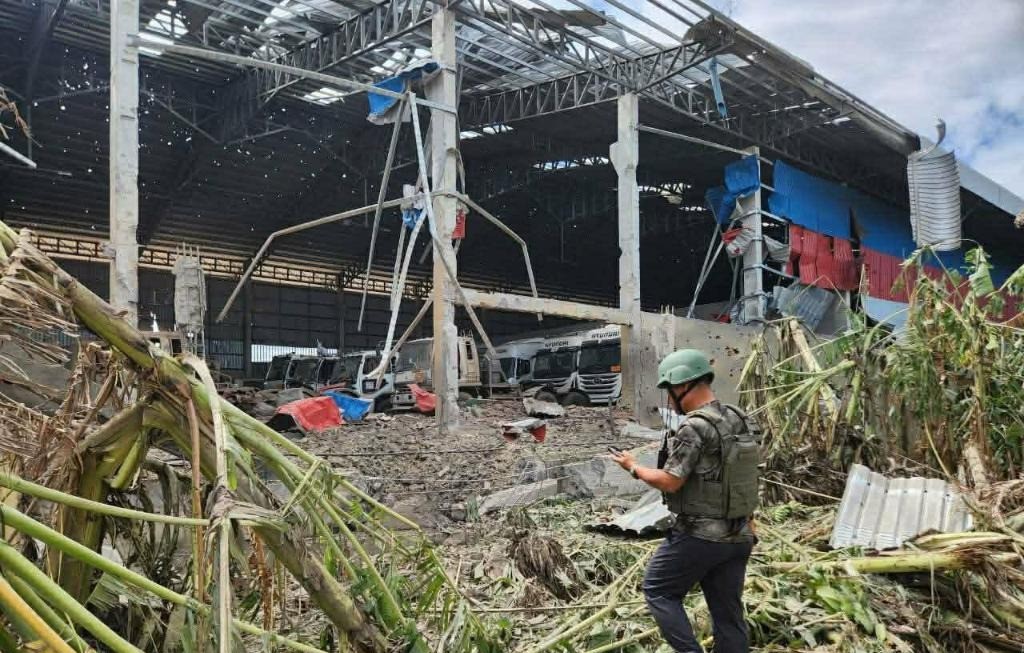
Leading jurists, judges, writers and intellectuals from across the world have issued a collective appeal to global leaders to help defuse rising tensions between Thailand and Cambodia, warning that continued escalation risks innocent civilian lives and regional stability.
The call was made through a Resolution for World Peace adopted at the International Conference of Jurists & Writers for World Peace, held in Bangkok on Saturday. Participants expressed deep concern over growing regional frictions and the humanitarian consequences of prolonged confrontation, urging renewed diplomatic engagement rooted in international law and dialogue.
The resolution specifically appealed to US President Donald Trump, Russian President Vladimir Putin and Indian Prime Minister Narendra Modi to use their influence and standing on the global stage to facilitate talks and encourage a peaceful settlement of the dispute. Delegates stressed that the overriding objective of any diplomatic effort must be the protection of civilians and the preservation of stability in Southeast Asia.

The conference brought together eminent legal minds and intellectual figures from several countries, united in their view that global leadership carries a responsibility to prevent conflict before it claims further innocent lives. The participants underscored that adherence to humanitarian norms and peaceful dispute resolution must remain central to international engagement.
Earlier in the day, attendees held a brief and peaceful assembly near the conference venue, carrying placards advocating peace, non-violence, justice and global harmony. The demonstration, described as orderly and dignified, reflected a shared commitment to the principles of international law and peaceful coexistence among nations.
Addressing the gathering, Dr Adish C. Aggarwala, President of the International Council of Jurists, emphasised the moral duty of jurists and writers to speak out in moments of crisis. He said law, dialogue and ethical leadership must prevail over conflict and coercion, particularly when civilian lives are at risk and the rule of law faces serious challenges.
Dr Aggarwala noted that intellectual and legal communities have a vital role in shaping global conscience, adding that silence in the face of violence only deepens injustice. He urged world leaders to act with restraint and wisdom, guided by humanitarian values rather than narrow strategic interests.