PIA flight PK-860 diverted to Dammam after a mid-air technical alert triggered oxygen masks and panic among passengers; 381 on board, investigations under way.
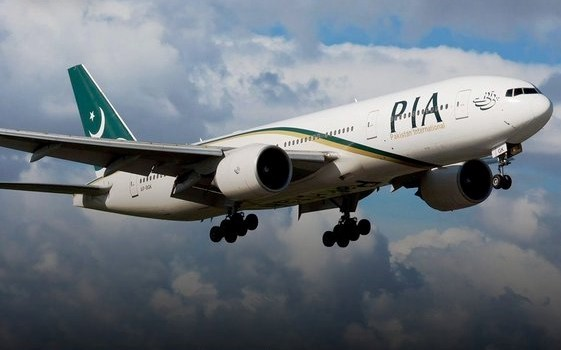
A Pakistan International Airlines flight from Jeddah to Lahore made an emergency diversion to Saudi Arabia on Friday after a mid-air technical alert prompted the deployment of oxygen masks and alarm among passengers, including dozens of Umrah pilgrims.
Flight PK-860, carrying 381 passengers and due to touch down at Lahore at 20:00, was diverted to King Fahd International Airport in Dammam after the crew reported a technical issue, a PIA spokesperson told local media. Passengers described a tense few minutes as cabin crews deployed oxygen masks; authorities and airline teams handled the aircraft on landing and investigations were under way.
Local reports said the incident provoked fear and confusion on board, particularly among pilgrims returning from religious duties in Saudi Arabia. PIA later confirmed the aircraft had landed safely in Dammam and that arrangements were being made to continue the passengers’ journeys, either on the same aircraft after rectification or on replacement services.
The PK-860 diversion is the latest in a string of recent operational problems involving Pakistan’s flag carrier. Last month, PIA flight PK-859 from Lahore to Jeddah was forced to divert to Karachi after the first officer’s windshield cracked mid-flight; passengers were later flown to their destination once the issue had been addressed. Earlier in the year, a domestic PIA flight arrived in Lahore with a missing rear wheel from its landing gear — a discovery that prompted inspections and raised questions about maintenance procedures.
PIA has not reported any injuries from the latest diversion. Airline spokespeople said technical teams would thoroughly inspect the aircraft; investigators would determine the cause of the in-flight alert and any required remedial action.
For travellers, diversions of this kind are disruptive and worrying, particularly when they involve emergency measures such as the use of oxygen masks. Pilgrimage seasons and peak travel periods add pressure to airline operations, and carriers typically respond by reviewing maintenance checks and crew procedures after each such event.
PIA, which has faced operational scrutiny in recent months, said it remains committed to passenger safety and cooperating with aviation authorities in the probe. Further updates are expected as engineers complete inspections and regulators assess whether any safety directives or additional checks are necessary before services resume.