Pakistan faces financial pressure over Mecca Pact military commitments with Saudi Arabia and Turkey, as IMF obligations and conflicting Yemen statements raise questions….reports Asian Lite News Desk
Pakistan is facing a financial and strategic dilemma over its commitments under the Mecca Joint Defence Agreement with Saudi Arabia and Turkey, as economic constraints could limit its ability to sustain a prolonged military operation, according to a report by India Narrative. The report argues that the pact’s credibility has been undermined by conflicting statements from its members over the deployment of forces and the possibility of military action in Yemen.
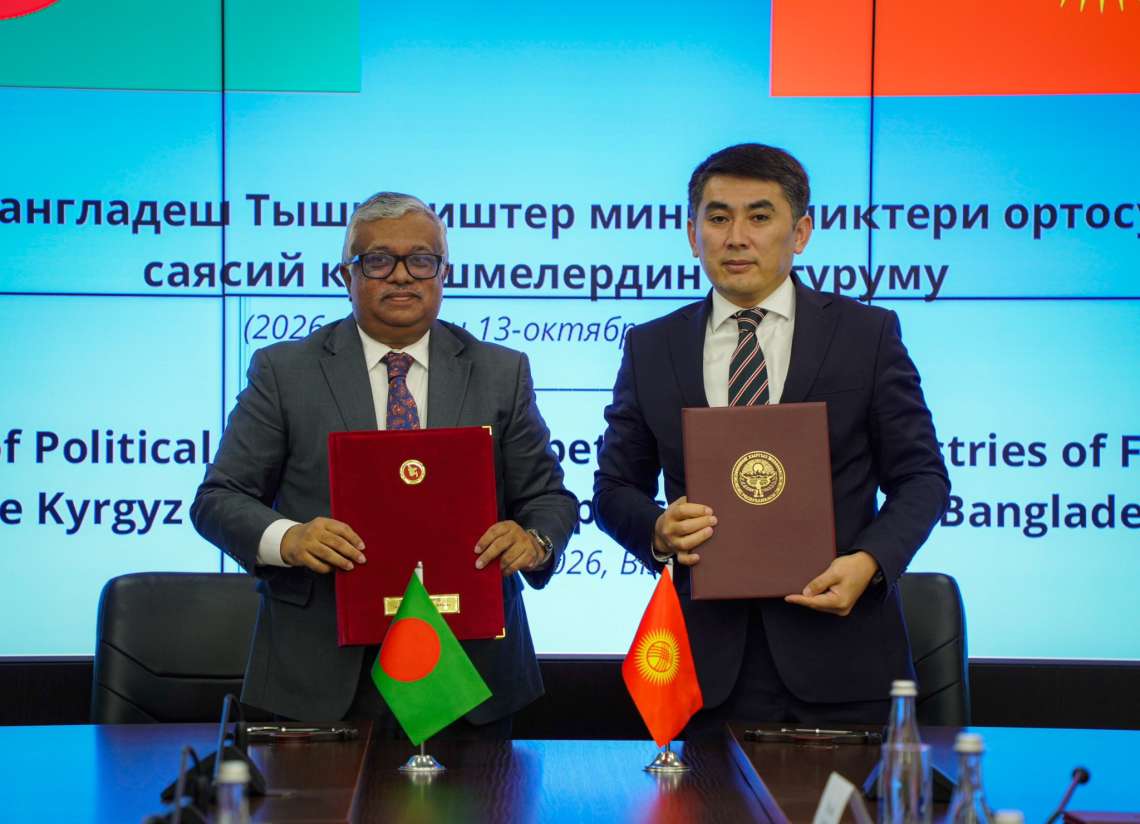
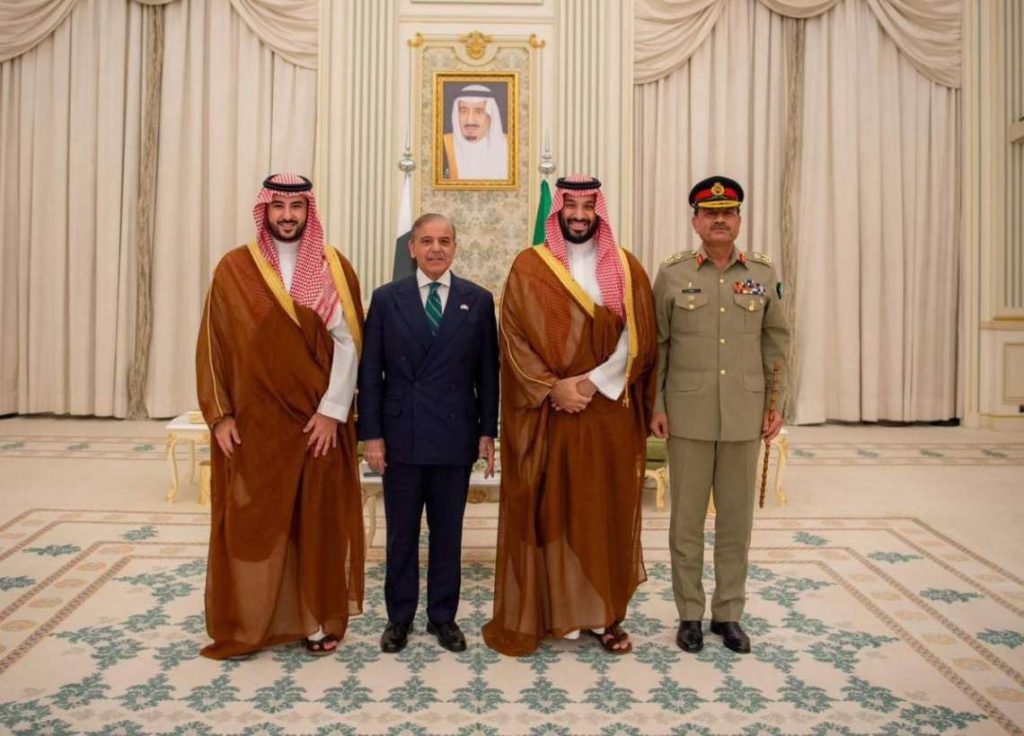
The Mecca Pact, a trilateral collective security agreement signed by Saudi Arabia, Turkey and Pakistan on 7 August 2026, has come under scrutiny following Houthi attacks on Saudi cities and questions over how the alliance would respond.
According to the report, Pakistan can manage a limited military deployment but would struggle to finance a prolonged conflict. It highlights the country’s competing defence and debt obligations, alongside commitments to the International Monetary Fund (IMF), as key constraints on its military options.
Pakistan’s FY2027 budget allocates Rs 3 trillion for defence, equivalent to 2.1 per cent of projected gross domestic product (GDP), while debt servicing is budgeted at Rs 8.05 trillion, or 5.6 per cent of GDP, the report says.
It also notes that Pakistan has committed to an underlying primary budget surplus of 2 per cent of GDP, amounting to Rs 2.83 trillion, under its IMF programme.
“Each extra 10 per cent of defence spending, therefore, costs Rs 300 billion: 0.21 per cent of GDP, 10.6 per cent of that surplus, about $1.1 billion, close to the $1.21 billion IMF tranche awaiting Board approval,” the report states.
The figures underline the potential cost of expanding military operations while Islamabad seeks to maintain fiscal commitments and secure continued financial support.
The report argues that Pakistan faces pressure from both Saudi Arabia and the IMF as it weighs its obligations under the pact against its financial limitations.
“Pakistan is squeezed from both sides: Riyadh’s money makes failing to deliver costly, while an IMF that wants any fuel support limited and inside the budget makes overdelivering costly,” the report says.
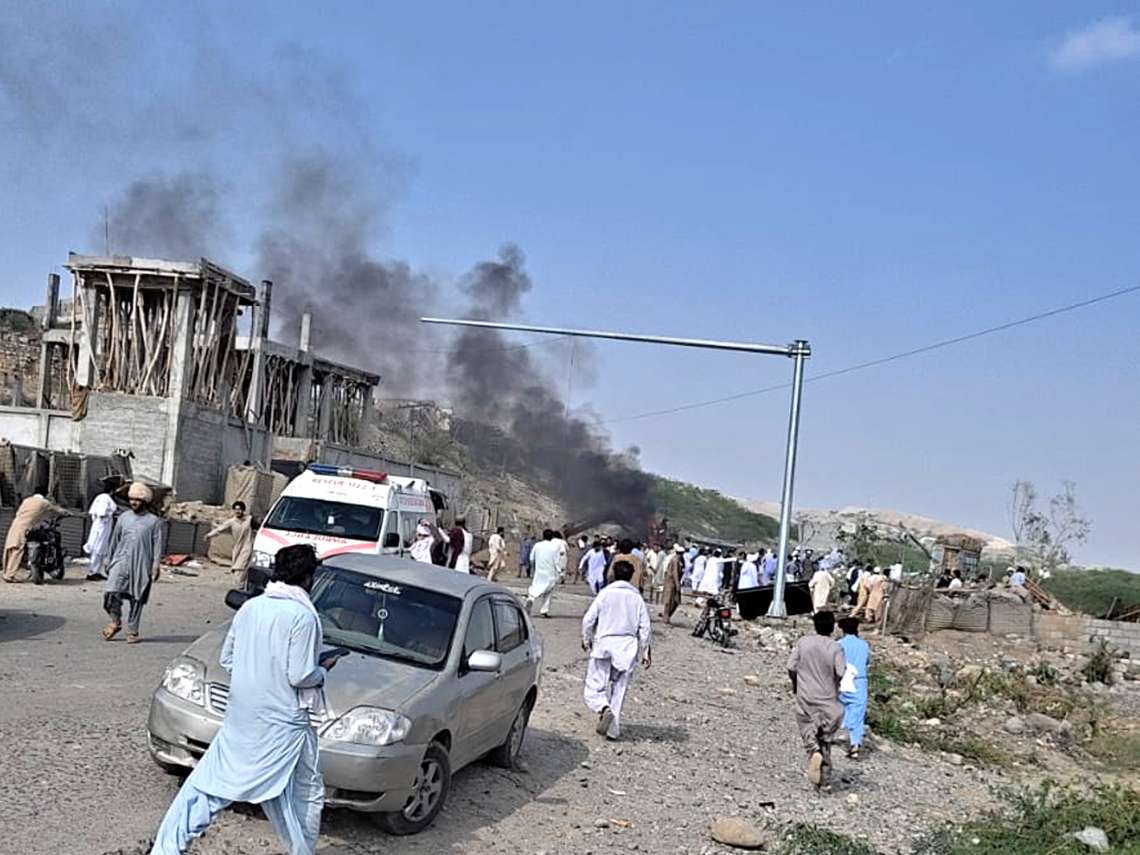
The report points to developments following the first Houthi barrage on Saudi cities. On 5 October, the Mecca Pact’s committee announced that it would activate collective deterrence and ensure the “rapid deployment” of “agreed” forces, four weeks after the initial attacks, according to the article.
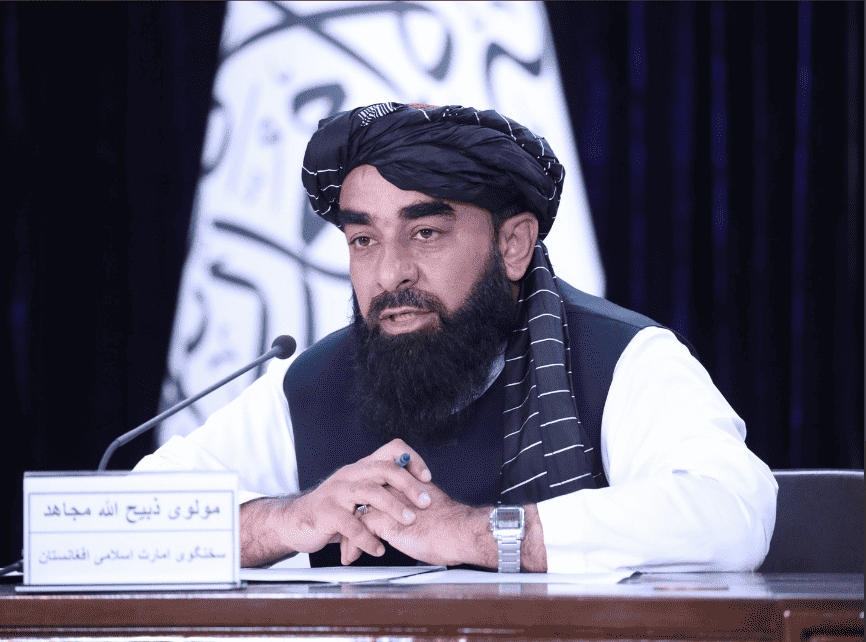
However, within five days, Pakistan’s Information Ministry described a New York Times report about Pakistani air strikes against the Houthis as “fake and fabricated”. Pakistan’s Foreign Office also ruled out crossing into Yemen, while Turkey’s foreign minister said Ankara would not send troops to attack another country, the report states.
Houthi-claimed attacks killed three Saudis at Riyadh’s airport, according to the article.
“The pact was activated and disowned in the same week. That contradiction is the argument: a collective-defence promise whose content its authors will not state cannot deter,” the report says.
Also Read: Fresh Curbs Hit Pakistan’s Khyber Pakhtunkhwa
The conflicting positions have raised questions about how the three countries would implement the agreement and what military commitments they are prepared to make under its collective security provisions.
The report argues that Pakistan’s reliance on Saudi financial support, alongside its need to maintain IMF assistance, could complicate decisions over military involvement. While failing to meet expectations from Riyadh could carry financial and diplomatic costs, a larger deployment could place additional pressure on Pakistan’s already constrained public finances.
It also raises implications for India, arguing that a Pakistan stretched by military commitments and dependent on external financial support could become a less predictable neighbour rather than simply a weaker one.
The report’s central assessment is that the Mecca Pact faces a challenge not only in its military capacity but also in the ability of its members to define and sustain their commitments.