A blistering new US National Security Strategy has accused Europe of democratic “subversion”, sparking sharp backlash across EU capitals
The Trump administration has ignited a diplomatic storm by declaring that Europe faces “civilisational erasure” and could one day lose its standing as a dependable US ally, prompting outrage across the continent and accusations that Washington is echoing the language of Moscow. The claims were set out in a sweeping new National Security Strategy published on the White House website in the early hours of Friday, branding the European Union “anti-democratic” and asserting that the United States must “help Europe correct its current trajectory”.
The document accused European governments of “the subversion of democratic processes”, arguing that leaders were thwarting public demands to bring the war in Ukraine to an end. The combative tone stunned many in Brussels and European capitals, where officials said it marked a dramatic escalation in Washington’s criticism of its closest political and economic allies.
EU foreign policy chief Kaja Kallas, speaking at the Doha Forum in Qatar, attempted to play down the rupture, insisting the transatlantic alliance remained intact. “Of course, there’s a lot of criticism, but I think some of it is also true,” she said, adding that while disagreements persist, the overarching partnership endures. “We are the biggest allies, and we should stick together.”
But former European leaders reacted with alarm. Former Swedish Prime Minister Carl Bildt warned on X that the report used language “one otherwise only finds coming out of some bizarre minds of the Kremlin”, branding it “to the right of the extreme right in Europe”. He said it was “bizarre” that Europe was singled out as the world’s primary threat to democracy. Former Latvian Prime Minister Krisjanis Karins said the country most pleased with the document would be Russia, arguing that Moscow has long sought to fracture transatlantic unity and that the US now appeared to be doing that work for it.
A European diplomat, speaking anonymously, said: “The tone on Europe is not promising. Even worse than Vance’s speech in Munich in February,” referring to a hardline address by Vice President JD Vance which caused alarm shortly after Trump returned to office.
The new strategy aligns itself with themes promoted by far-right movements that have gained ground across Germany, France and several other US allies. It praises what it calls “the growing influence of patriotic European parties”, describing their rise as a source of “great optimism”. Nathalie Tocci, director of Italy’s Istituto Affari Internazionali, said the document showed Washington was “in the business of tearing Europe apart by supporting far right nationalists backed by Russia”.
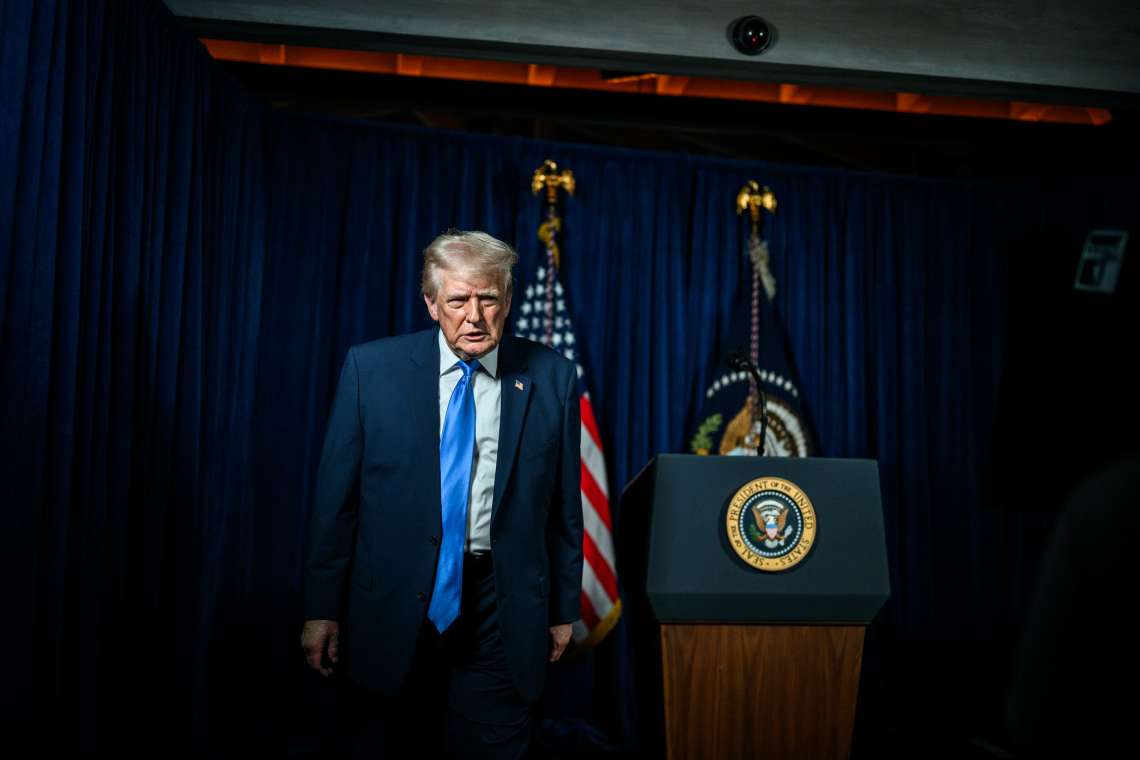
National Security Strategies are periodically released by US administrations to outline foreign policy priorities. In a foreword, Trump said the new document serves as “a roadmap to ensure that America remains the greatest and most successful nation in human history”.
The text accuses the EU of undermining political liberties and national sovereignty, suppressing political opposition and censoring free expression. European governments, already scrambling to boost military spending and rebuild depleted defences in response to Russia’s war against Ukraine, remain heavily reliant on US military support even as relations fray.
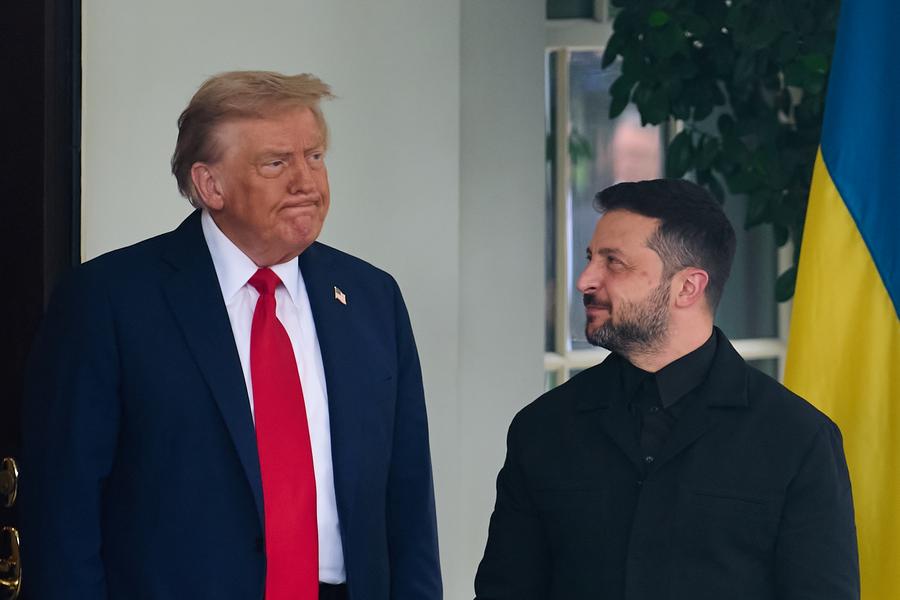
The strategy asserts that it is in America’s interest to negotiate a swift resolution to the war and to restore “strategic stability” with Russia. It lands at a sensitive moment, with a US-led peace initiative stalled after Washington presented a proposal that endorsed key Russian demands in the nearly four-year conflict. The document claims that a broad European public appetite for peace “is not translated into policy” due to what it calls the “subversion of democratic processes” by European governments.
The publication has rattled Western diplomats and deepened anxiety over the future of the transatlantic alliance. While financial markets barely reacted — with the Dow and S&P 500 each rising about two-tenths of a percent and the Nasdaq up three-tenths — European officials warned the political fallout could be far more destabilising.