The carnage at Gopalganj shows Bangladesh’s post-Hasina descent into fear …writes Monir Islam
Exactly one year ago, on July 16, 2024, six young lives were lost in Bangladesh during a police crackdown on anti-quota protestors. On the first anniversary of that fateful day, Bangladesh found itself under the shadow of a far graver danger—this time from the very protestors who had once demanded justice. In a chilling twist of irony, those who once cried foul over state repression have now embraced the tools of tyranny.
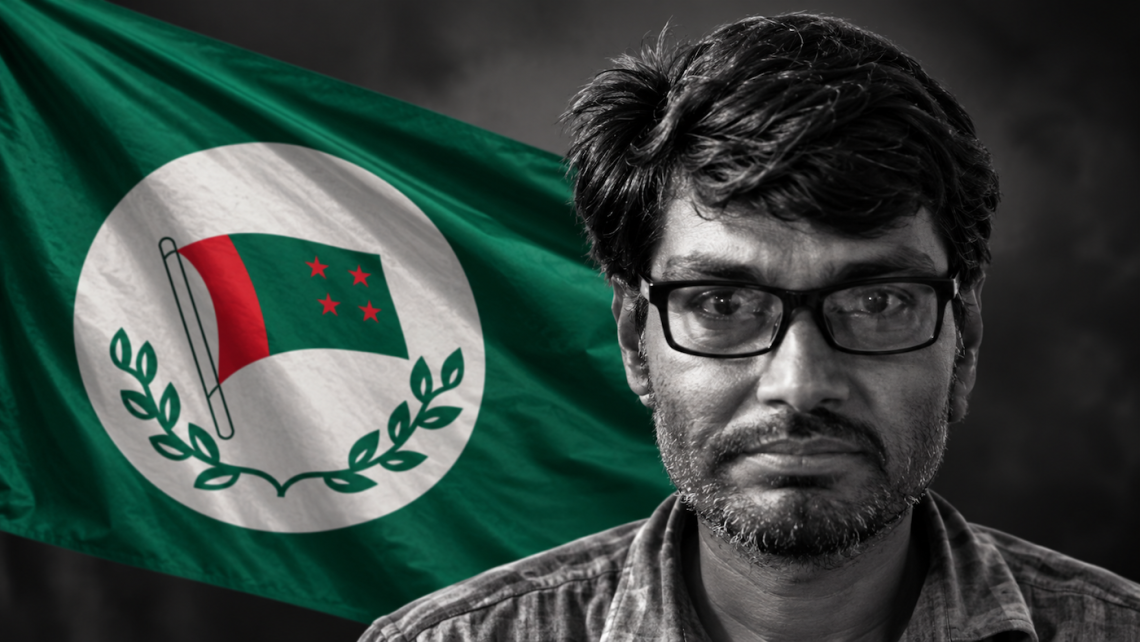
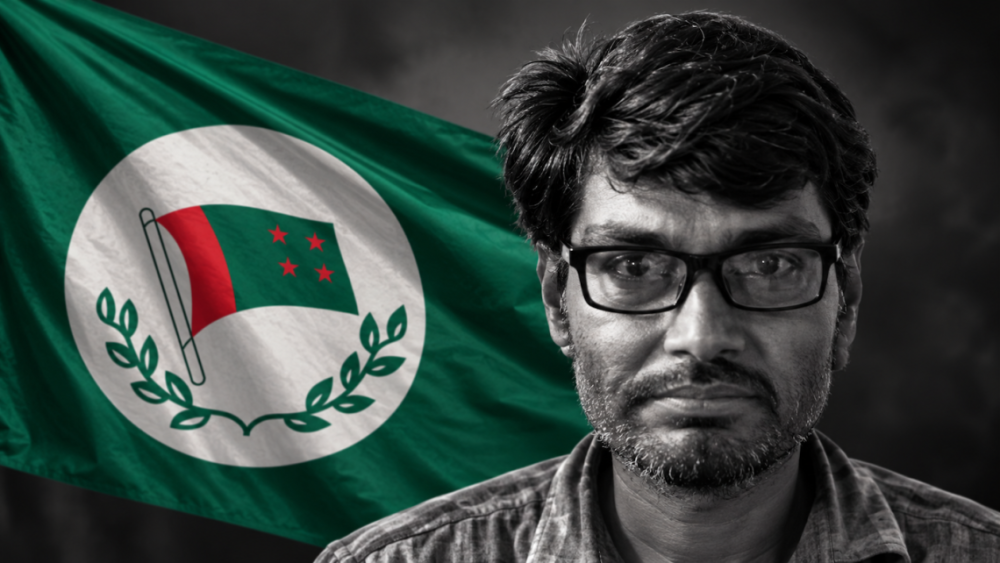
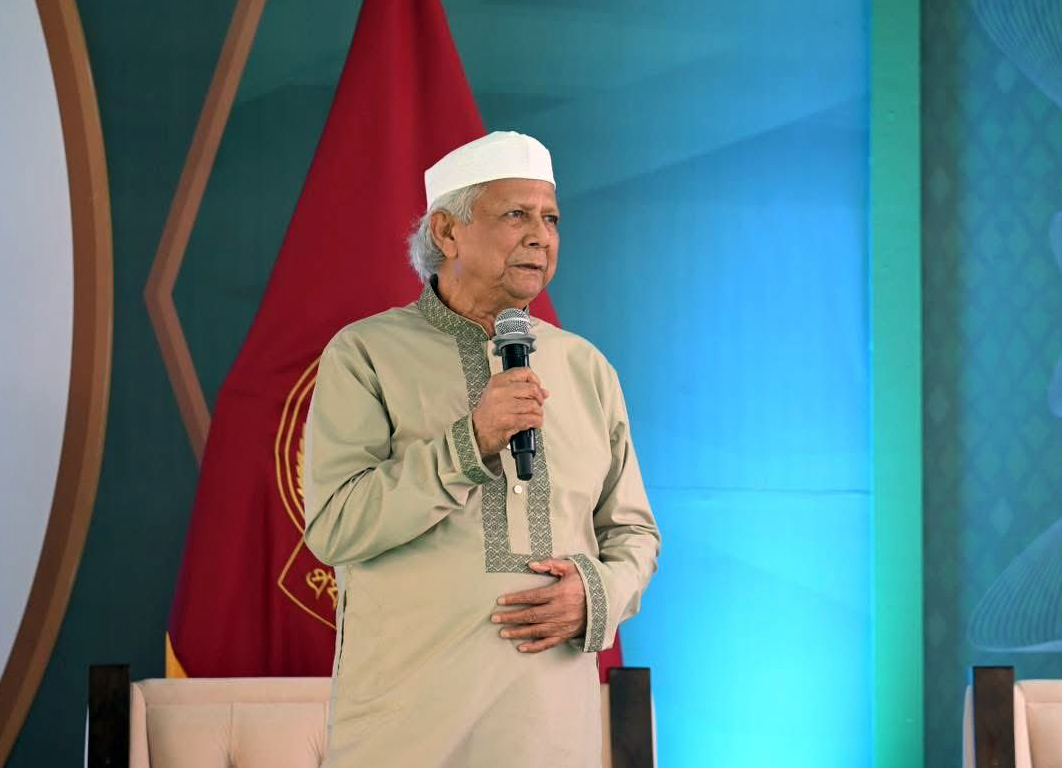
The so-called “Interim” regime, led by Dr. Muhammad Yunus and backed by foreign interests, has birthed a political entity called the National Citizen Party (NCP)—a group with no electoral mandate but wielding enormous state power. Acting as de facto rulers, the NCP enjoys the full backing of the administration, including law enforcement and segments of the military. Their transformation from protestors to political overlords has come with a heavy price—paid by the very democratic principles they once claimed to defend.
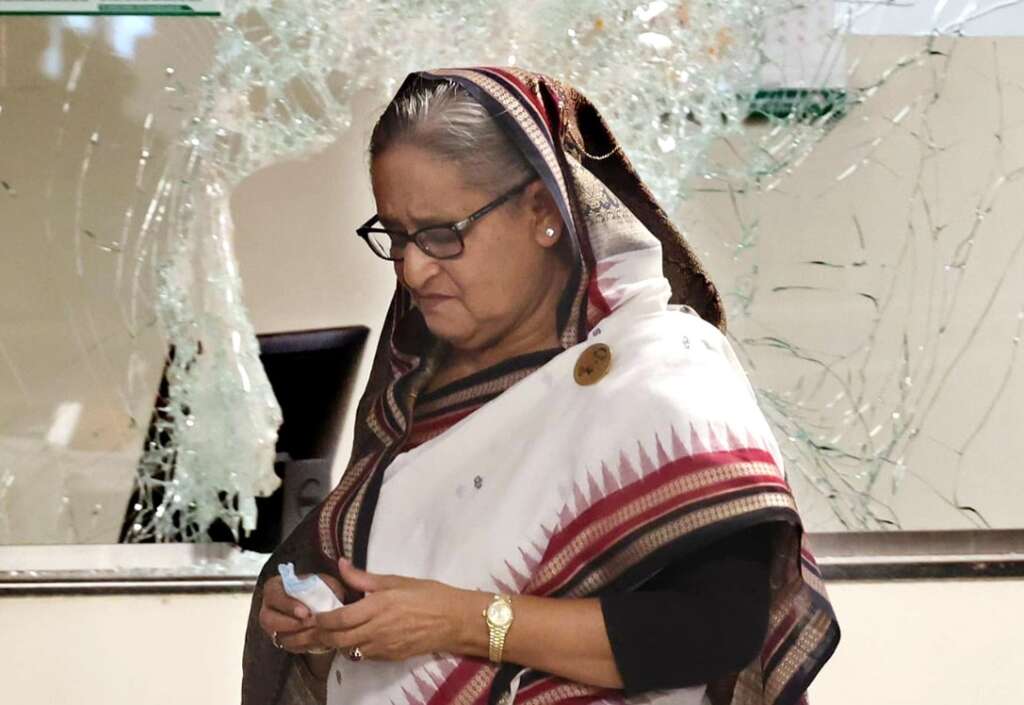
Nowhere is this betrayal more evident than in the events of July 16, 2025, in Gopalganj—a stronghold of the Awami League and the political and emotional heartland of former Prime Minister Sheikh Hasina. According to official reports, four League supporters were killed and nine injured in the ensuing violence. Unofficial sources suggest the death toll is higher. The government’s version of events paints a picture of spontaneous clashes provoked by local Awami supporters attempting to block an NCP rally. But that version is paper-thin.
For weeks, the NCP and its ideological ally Jamaat-e-Islami had been using inflammatory rhetoric on social media, threatening to “reclaim” Gopalganj and destroy symbols of Mujibur Rahman’s legacy. The rally was promoted as a “March to Gopalganj,” mimicking the “March to Dhaka” that had led to Hasina’s downfall. In the lead-up, Awami League supporters feared something sinister. A disproportionately heavy deployment of police and paramilitary forces added to their unease.
When NCP leaders, escorted by state security, finally descended on Gopalganj, residents saw it not as a peaceful political event, but a state-backed provocation. Predictably, tensions exploded. What followed was a brutal crackdown. Video evidence shows police firing directly at unarmed civilians. In one particularly disturbing clip, an officer is heard being ordered to shoot to kill. Exiled author Taslima Nasrin shared footage of a young man, Ramzan, being detained with a firearm. He was later found dead, a bullet through his chest—his killing bearing the hallmarks of an extrajudicial execution.
After the carnage, the crackdown only intensified. Security forces swept through Gopalganj, arresting dozens of League supporters. A current cabinet minister—himself a leader in last year’s protest movement—posted photos from a command centre overseeing the operation, boasting of plans to “dismantle” the League’s support base in the region. NCP’s top brass, emboldened by their unchecked power, took to social media demanding even harsher retribution. The interim administration, meanwhile, maintained a deafening silence.
In hindsight, this violence was not an aberration, but the culmination of a year-long pattern. Since the Hasina government’s fall, the country has seen an alarming consolidation of power by a party with no democratic mandate. The Dhaka home where Mujibur Rahman lived—and where he was assassinated—was demolished in February. The Awami League has been criminalized, its members harassed, and the founder of Bangladesh has been equated with extremist ideologies by a government that itself includes the very forces that once opposed the nation’s birth.

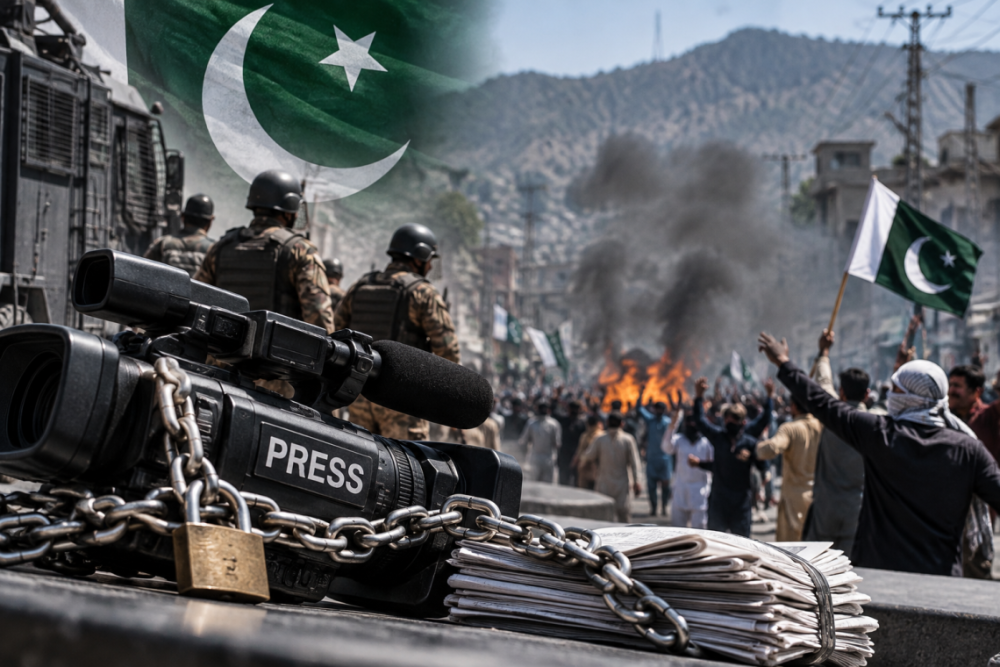
In 2024, criticism of Hasina came from all quarters—intellectuals, civil society, social media, and international watchdogs. Foreign commentators, notably figures like Jeffrey Sachs, hinted at U.S. involvement in pushing regime change in Dhaka. But since the change of guard, Western media and rights groups have been suspiciously quiet. Human rights concerns have evaporated. Journalists are being persecuted—over 260 reportedly face criminal charges, many absurdly linked to murder investigations.
At home, political opposition has collapsed. The BNP, once seen as the Awami League’s rival and natural inheritor of the post-Hasina space, has failed to rise to the moment. Instead of offering principled resistance, the BNP has operated like a client party to the NCP-Jamaat nexus. It has offered no serious critique of the authoritarian drift, failed to condemn events like Gopalganj, and backtracked on its own demand for fresh elections.

This absence of opposition has upended the delicate ideological balance that once defined Bangladeshi politics. With the League sidelined and the BNP compromised, the far-right—led by Jamaat and other Islamist groups—has surged. These forces now seek to erase not just Mujibur Rahman’s memory, but the very foundations of the secular, pluralist Bangladesh he fought to build.
The silence of civil society, academia, and international observers only deepens the tragedy. In the name of removing a long-serving Prime Minister, Bangladesh may have empowered a political project far more dangerous: one that erases history, crushes dissent, and mocks democracy—all while claiming the moral high ground.
History may not forgive this betrayal. But the people of Bangladesh might—if they can reclaim their voice before it is too late.