A US envoy noted that US Export-Import Bank’s (EXIM) financing would, over the coming years, enable up to USD 2 billion in high-quality US mining equipment and services to be exported for the construction and operation of the mine….reports Asian Lite News
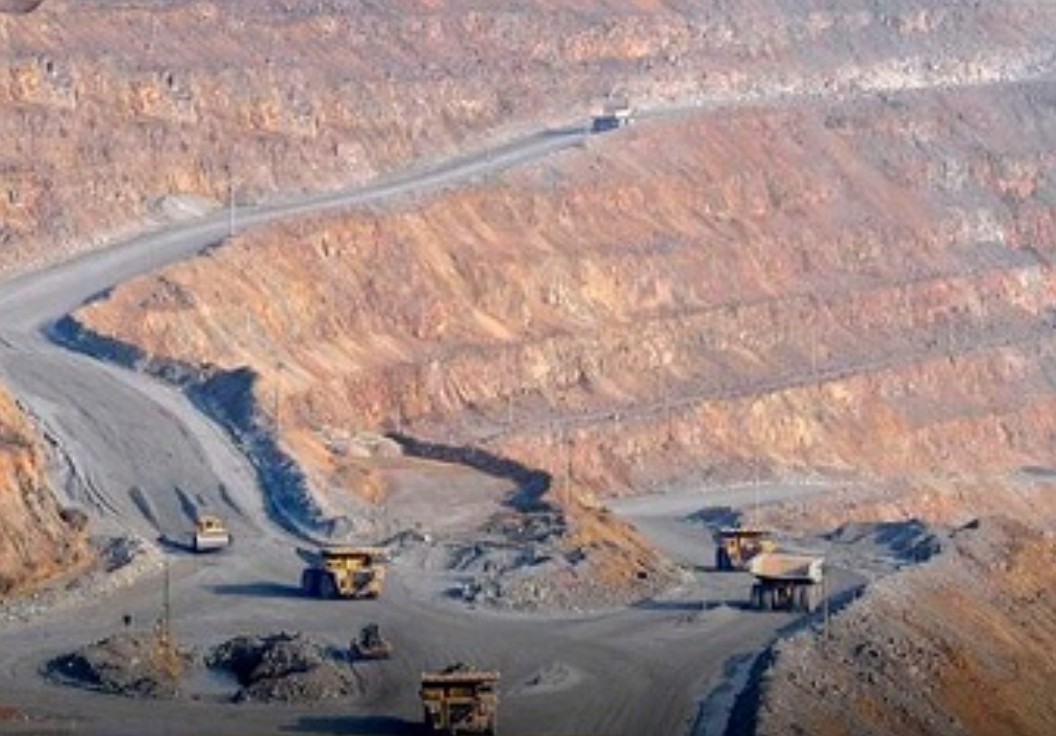
The United States has announced one of its largest recent financial commitments to Pakistan’s mining industry, approving USD 1.25 billion in financing to accelerate development of the vast Reko Diq critical minerals project in Balochistan. The investment, confirmed by the US Export-Import Bank (EXIM), underscores Washington’s strategic interest in securing global mineral supply chains while simultaneously strengthening economic ties with Islamabad.
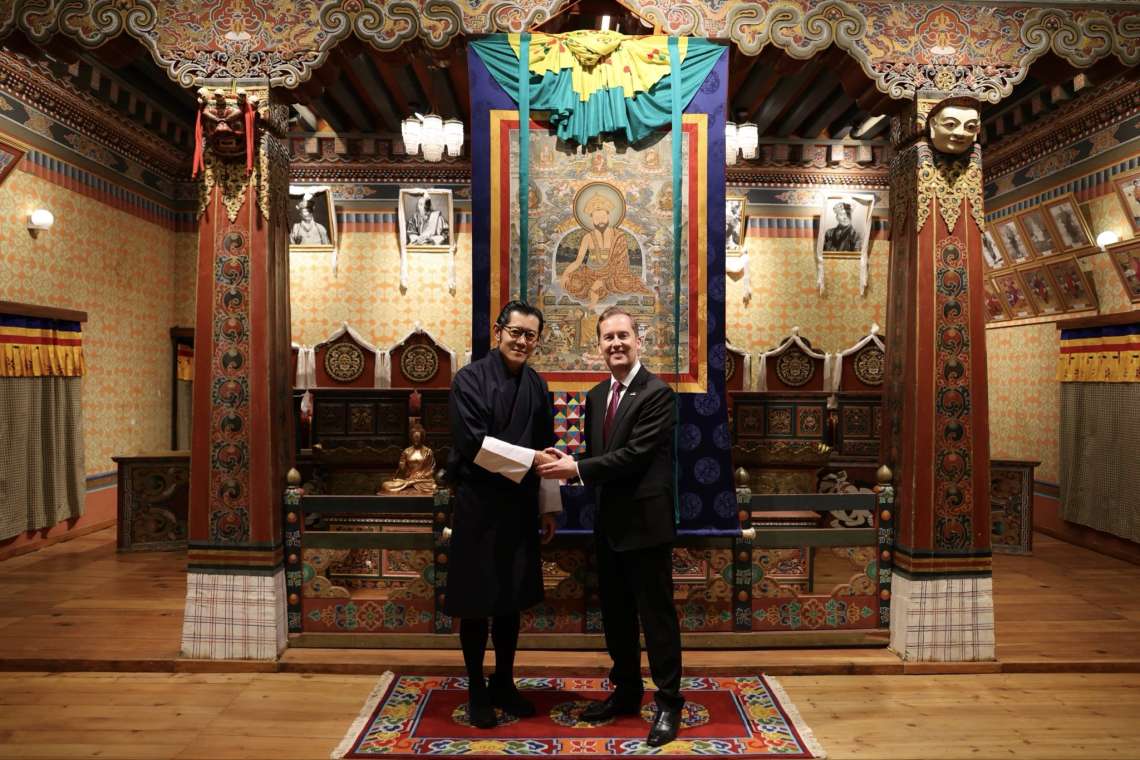
In a video shared on X, Charge d’Affaires ad interim at the US Embassy in Islamabad, Natalie A. Baker, said the Biden–Trump administration had made such deals central to American diplomacy. “I’m pleased to highlight that the US Export-Import Bank recently approved financing of USD 1.25 billion to support the mining of critical minerals at Reko Diq in Pakistan,” she said.
High-value US equipment
Baker noted that EXIM’s financing would, over the coming years, enable up to USD 2 billion in high-quality US mining equipment and services to be exported for the construction and operation of the mine. The project is expected to create an estimated 6,000 jobs in the United States and around 7,500 jobs in Pakistan’s Balochistan province.
Calling Reko Diq a “model for mining projects,” she said the development would benefit US suppliers and deliver significant economic gains for local communities. She added that the US administration would continue supporting similar commercial partnerships, describing the deal as a boost to both bilateral trade and regional prosperity.
The US Embassy in Islamabad echoed the message, calling the fresh financing commitment a driver of “economic growth in Balochistan” and urging viewers to consider the project’s potential as a “game-changer for US businesses and local Pakistani communities.”
The mining partnership represents Washington’s broader economic outreach to Islamabad as both countries attempt to recalibrate ties. Earlier in July, US President Donald Trump announced a separate trade initiative aimed at developing Pakistan’s oil reserves. In a post on Truth Social, he said the two nations were “choosing the oil company that will lead this partnership,” even suggesting that Pakistan could “sell oil to India someday.”
The announcement came hours after Trump imposed 25 per cent tariffs and additional penalties on India, indicating the administration’s evolving approach to regional economic dynamics.
Shadow of disappearances over Balochistan
However, even as foreign investment flows into the region, Balochistan continues to reel under the weight of enforced disappearances. Fresh cases reported from Quetta, Mastung, Gwadar and Karachi have renewed public outrage, with families accusing state institutions of systematic human-rights violations. According to detailed reports by The Balochistan Post, several young men, including university students, have vanished in recent days.
On 1 December, Syed Ahmed Shah, a student at the University of Balochistan’s Department of Education, was allegedly abducted outside the main gate by men believed to be linked to Pakistani intelligence agencies. Eyewitnesses claimed the abductors arrived in a vehicle with tinted windows and forcibly removed him in broad daylight.
In Mastung’s Dasht area, two residents — Nadeem Kurd and Fareed Kurd — were reportedly taken by security forces in separate incidents. Their families have received no information about their whereabouts.
The situation in Gwadar echoed the same pattern. On 7 December, Farooq Ibrahim, son of Haji Ibrahim Kalmati, was allegedly abducted from his home in Jiwani’s Panwan locality. His family said the raid involved members of a local “death squad.” The family recalled that Farooq’s elder brother, well-known car racer Tariq Kalmati, had been abducted in 2015 and later found dead in Gwadar — a case that remains unresolved.
That same night in Karachi, another resident of Panwan, Ali Nawaz Kalmati, was reportedly detained by security personnel and subsequently disappeared, compounding anxieties in the community.
At a press conference at the Quetta Press Club, the family of Shahzad Munir, another missing university student, condemned what they described as a “warrantless midnight abduction” carried out by state forces. Citing Articles 9 and 10-A of Pakistan’s Constitution — which guarantee security of person and the right to fair trial — the family argued that his secret detention was illegal, unconstitutional and emblematic of a broader pattern.
They urged authorities to uphold the rule of law, warning that such disappearances erode public trust in governance and perpetuate fear across the province. Human-rights groups have long documented allegations of enforced disappearances in Balochistan, with activists insisting that development projects and foreign investments cannot mask the region’s deep-seated crisis of accountability.
The juxtaposition of renewed American investment and worsening human-rights conditions has raised complex questions about the future of development in Balochistan. While projects like Reko Diq hold the potential to deliver long-term economic benefits, advocacy groups argue that sustainable progress is impossible without transparency, justice and legal safeguards for local populations.
For now, Balochistan stands at a crossroad — one shaped by billion-dollar international investments on the one hand, and enduring grief and uncertainty for families searching for their missing loved ones on the other.