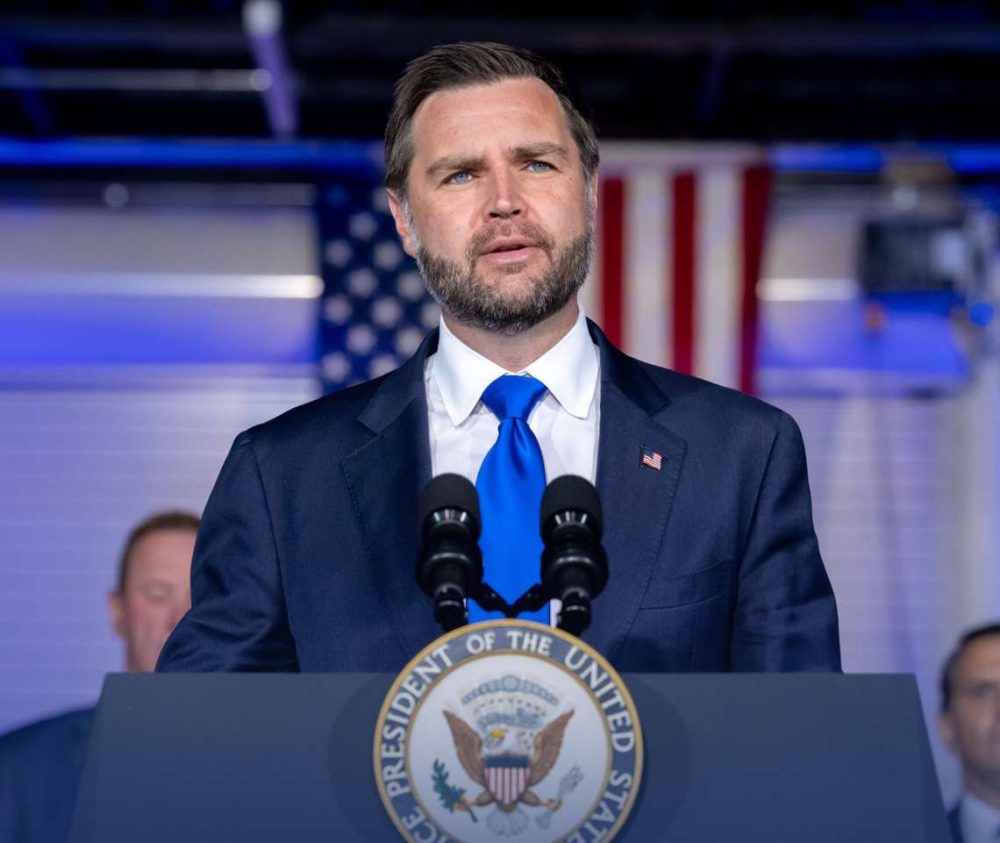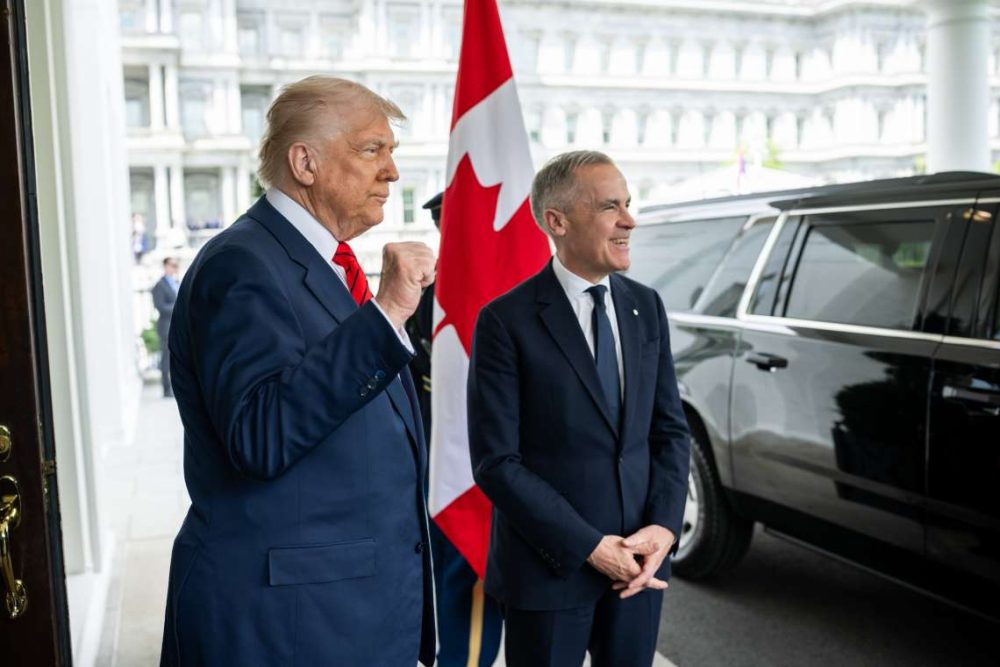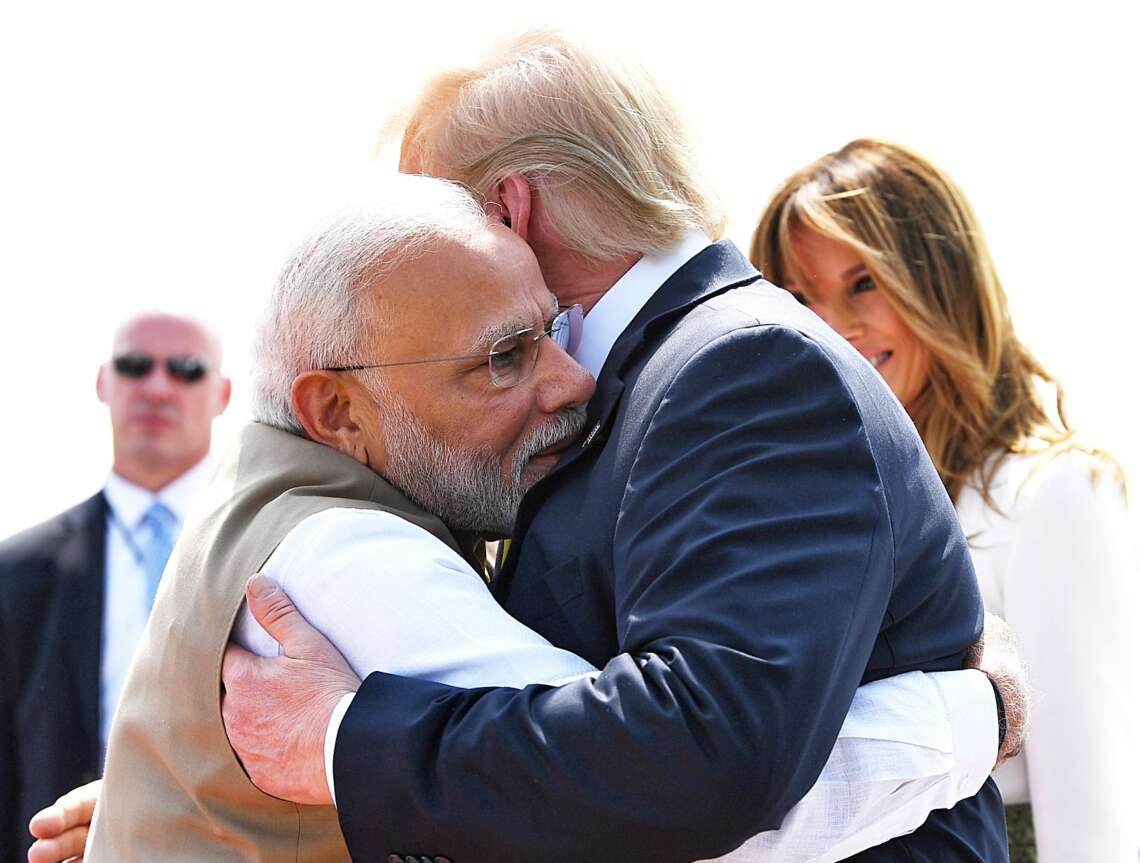
For the first time in two decades, Trump’s actions, statements, and coercive tone have made relations with the US a combustible domestic political issue in India, writes Manoj Menon
The post-globalisation uncertainty and the bullying tactics by US President Donald Trump are likely to spur a tectonic shift in international relations. The coming years are set to pivot democracies in the Global South to more equitable alliances with a semblance of equanimity in power dynamics, trade balance and strategic relevance.
The painstakingly built bipartisan effort to transform the relationship between New Delhi and Washington has now hit rock bottom. In his legacy tenure, Trump has demolished the work he did in his first term and the work of four other occupants of the Oval Office.
How does one explain Trump’s sheer belligerence in giving China another extension in contrast to imposing a hefty 25% tariff on “friend” India? The move is not lost on anyone in New Delhi.
New Delhi sees it as blunt coercion and gross interference in its foreign policy. It is impractical given India’s oil import needs, and a cynical effort to “blame India” for the West’s (and Trump’s own) collective failure to get Moscow to stop its war on Ukraine.
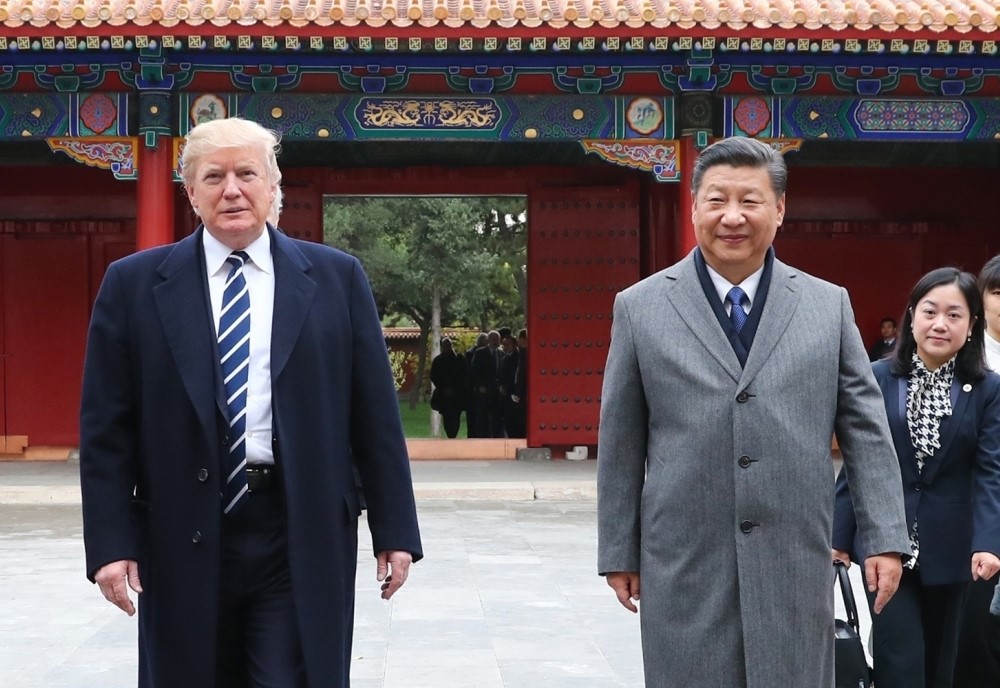
Trump has also threatened to impose more tariffs on India for participating in the BRICS grouping and others. Not surprisingly, New Delhi views this, too, as coercive. The move has also sharpened the intuitive and inherent contradiction between Trump’s “America First” and Modi’s “Make in India” visions.
Hobnobbing at the White House with Pakistan’s Army chief within weeks of a terrorist attack on India, while giving Islamabad a preferential tariff rate of just 19% and a pledge to explore Pakistan’s oil reserves jointly, is likely to repeat Islamabad’s fickle policies. After all, India can’t pledge its natural resources to placate a loose arrow.
It is certainly easy to dismiss Trump’s threats against India. The Republican president usually blusters before making deals, so at some point, a Trumpian “trade deal” is likely to reduce India’s 25 percent baseline tariff rate. Given the tight ecosystem of commercial, technology, and societal ties between Americans and Indians, with billions in two-way investment, numerous tech firms working together, and tens of thousands of Indian and American engineers and venture capitalists intensively engaged with one another.
However, this also points to the need for structural reforms in India, so Trump’s hard-nosed tactics could even provide the impetus for India to reset. Trump’s current policy also erodes the possibility of any convergence with India over China. However, one must remember that American commercial, technology, and societal ties with China became far deeper than with India. Yet after four decades of exponential growth and deep connections, those ties have rapidly unraveled amid shifting strategic calculations and changed domestic politics in a few short years.
Remarkably, and for the first time in two decades, Trump’s actions, statements, and coercive tone have made relations with the US a combustible domestic political issue in India. The opposition, the media, and the Indian public have put the government on notice to avoid showing weakness in the face of Trump’s threats.
Issues that touch India are among Washington’s most partisan and explosive, including immigration and deportation, H1B visas for tech workers, offshoring and overseas manufacturing by US companies, and technology sharing and co-innovation with foreigners.
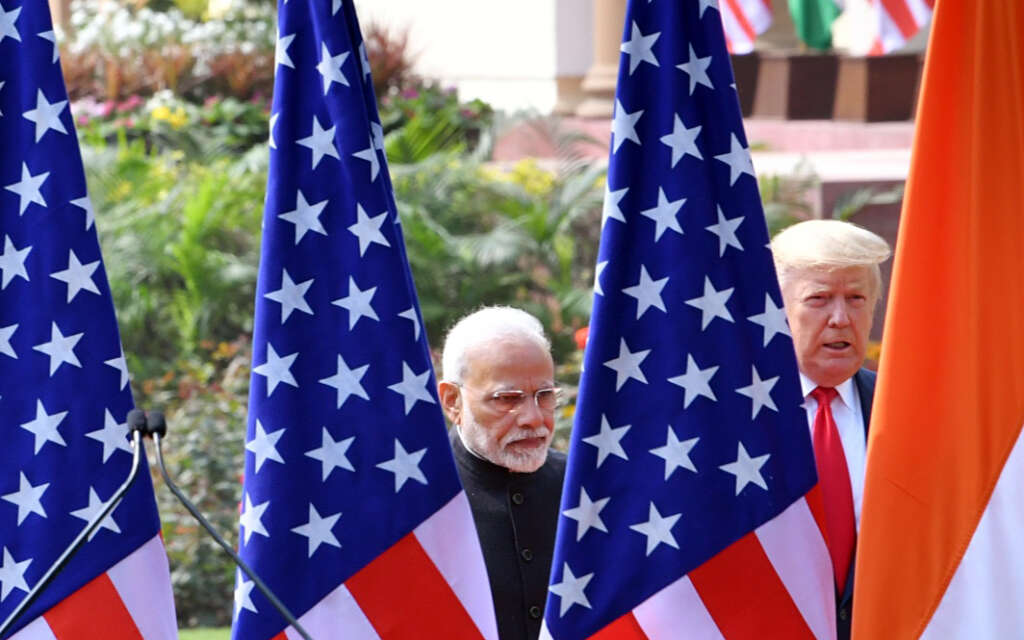
This bodes ill for the next two decades of U.S.-India relations, because overcoming domestic politics and partisanship has been perhaps the signal achievement since the first decade of the 2000s.
US-India relations may now become a political football, especially in New Delhi. And the core understandings that enabled closer US-India relations may also be at serious risk.
Trump’s fulsome praise for Islamabad and dealmaking with Pakistan’s army and government now raises concerns in New Delhi that this too has gone by the wayside. And these concerns have been amplified exponentially because Trump’s moves came within weeks of the April 22 terrorist attack that killed twenty-six Indian civilians in Pahalgam and led to a new outbreak of hostilities between the two countries.
To those who think America and India have much to gain and even more to lose in a rupture, the repoliticisation of US-India relations is a slow-motion catastrophe.