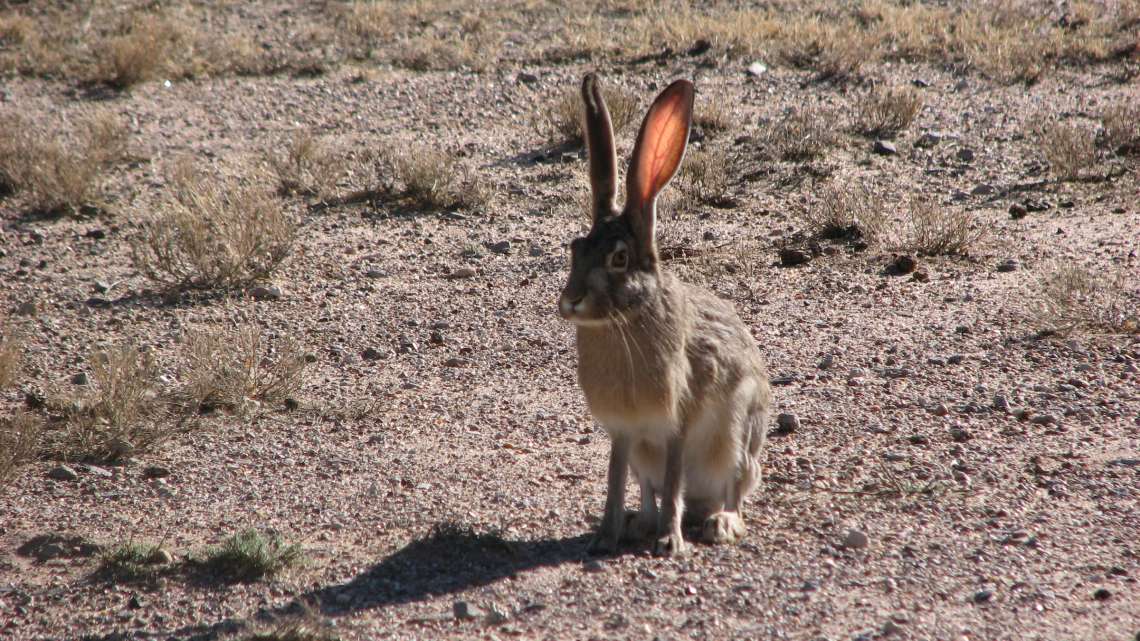
Shooting hares in England will be banned for most of the year under sweeping new animal welfare laws. The move aims to protect breeding animals and prevent young leverets from being left orphaned…reports Asian Lite News
Shooting hares in England will be banned for most of the year under sweeping changes to animal welfare laws, as the government moves to end what campaigners describe as one of the most damaging gaps in wildlife protection.
Under the new rules, a close season will be introduced to prohibit the shooting of brown hares between February and October, covering the animals’ main breeding period. Until now, it has been legal to shoot hares throughout the year, including during breeding months, often leaving pregnant females to bleed to death and young leverets orphaned and unable to survive.
The reform will form part of a broader animal welfare strategy due to be announced on Monday, which is also expected to outline a legislative pathway towards a ban on trail hunting. The practice, where hounds follow an artificial scent rather than a live animal, was a Labour manifesto commitment and has long been criticised by animal welfare groups.
Campaigners argue that trail hunting frequently leads to foxes being attacked and killed when hounds stray onto the scent of live animals. Despite existing restrictions, foxes are still often torn apart by packs of dogs, undermining claims that the practice is humane.
The nature minister, Mary Creagh, said the new measures were long overdue. “Brown hares are a cherished part of our countryside, an iconic British species, and it’s simply wrong that so many are shot during breeding season,” she said. “I am determined to stop the decline of this wonderful animal.”
The changes come amid mounting concern over the long-term decline of brown hare populations. Once common across farmland in England and Wales, numbers have fallen by an estimated 80% over the past century due to habitat loss, agricultural intensification and hunting pressures.
Hares are currently shot for meat, sport and population control, with some landowners arguing that the countryside is overpopulated. Conservationists dispute that claim, pointing to the sustained collapse in numbers and warning that continued killing during breeding months has had a devastating impact on populations.
Previous attempts to introduce a close season failed. George Eustice, the former Conservative environment secretary, said he had tried to bring in similar protections while in office but was blocked by No 10. He welcomed the new proposals, calling them a return to basic conservation principles.
“The first principle of conservation is to protect species during their breeding season, so it is excellent news that the government will now create a modern close season on the shooting of hares,” he said. “Every year, approximately 200,000 hares are killed in organised, commercial shoots during February and March, and this has a devastating impact on orphaned leverets, which are left to starve to death.”
Eustice noted that even Victorian lawmakers recognised the need for seasonal protection, but said outdated legislation had failed to keep pace with modern hunting practices. “The current government deserves credit for finally getting this important change done,” he added.
The animal welfare package is also seen as politically significant. Labour sources say it could help lift party morale after months of internal divisions, rising living costs and a sustained slump in opinion polls. Previous polling suggested 79% of the public supported tighter laws to prevent foxes being killed during trail hunts, while Labour’s own research indicates that 85% of voters believe there is a moral duty to protect animal welfare.
If passed into law, the reforms would mark one of the most significant overhauls of wildlife protection in England in decades, strengthening safeguards for native species and closing loopholes that campaigners say have allowed cruelty to continue unchecked.