Trump steps up threats to sue the BBC over its Panorama edit as the broadcaster apologises but denies defamation, triggering resignations and a looming courtroom showdown.
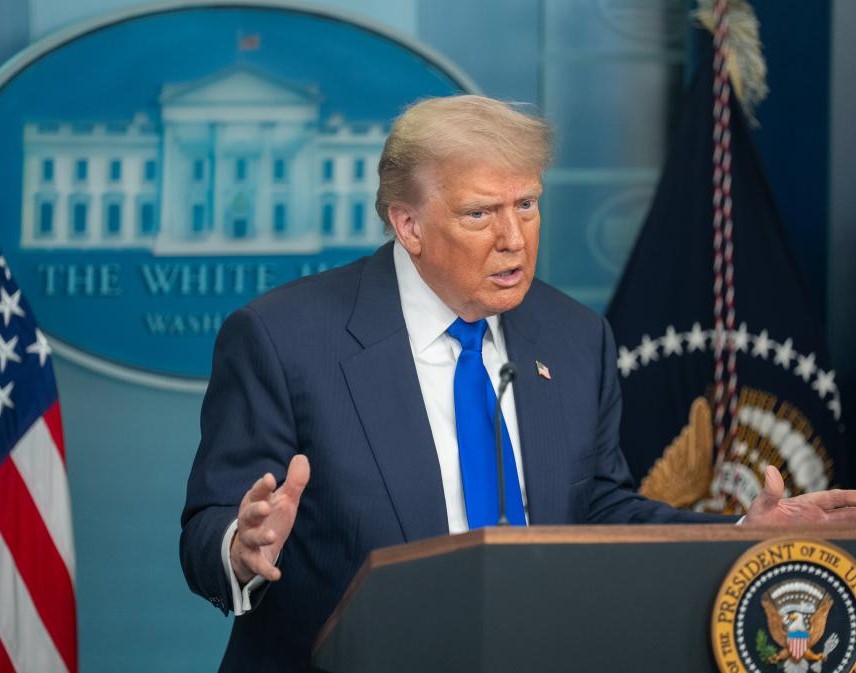
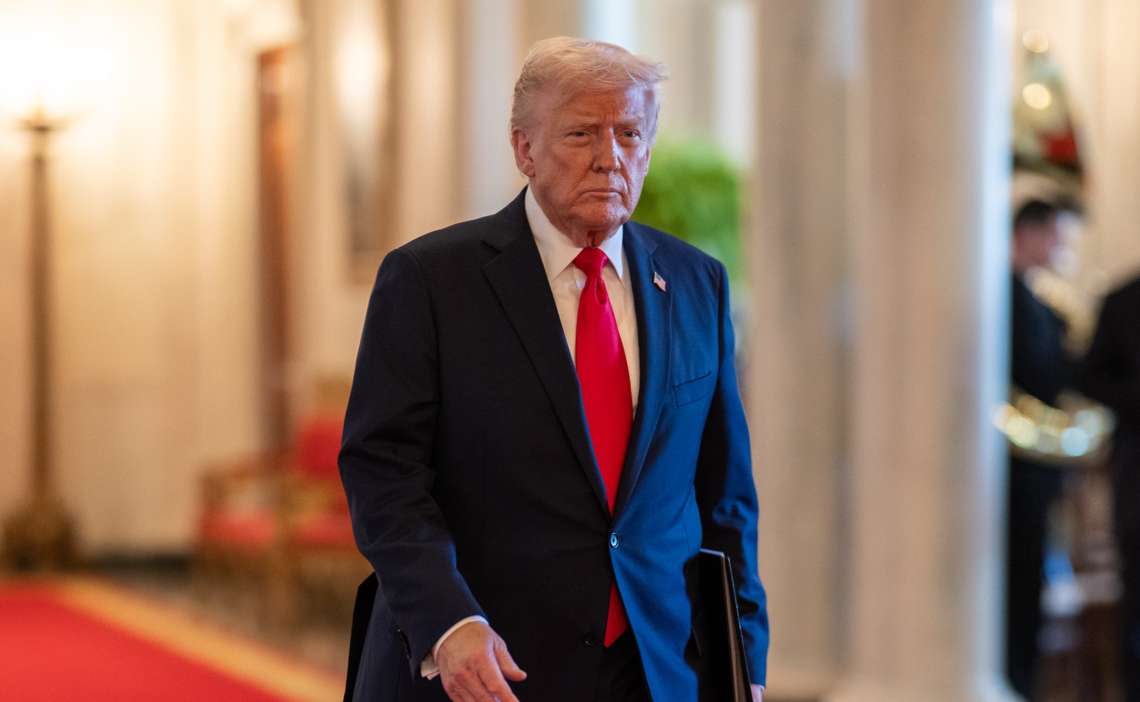
US President Donald Trump has signalled he will proceed with legal action against the BBC following the corporation’s admission that an edited segment of his 6 January 2021 speech “gave the mistaken impression” that he had issued a direct call for violence. The BBC apologised for the error but declined to pay compensation, prompting escalating threats from the White House.
The dispute centres on a Panorama documentary aired in October 2024, in which separate lines from Trump’s hour-long address on the day of the Capitol riot were cut together. The edit made it appear as though he had urged supporters to march to the Capitol and “fight like hell” in a single, continuous passage. The BBC maintains the compression was intended only to shorten the speech, not distort it, but acknowledged that the resulting impression “was unintended and regrettable”.
Trump’s legal team demanded a retraction, apology and $1bn in damages. Following the BBC’s refusal to pay, Trump indicated he would sue for “anywhere between $1bn and $5bn” and insisted the corporation had “admitted that they cheated”, according to reporters travelling on Air Force One.
He also argued in a separate interview recorded before the flight that he had an “obligation” to take the case forward so that similar incidents “don’t happen again with other people”. He labelled the Panorama edit “egregious” and claimed it was “worse than the Kamala thing”, referring to a previous dispute with CBS over an interview with his 2024 opponent Kamala Harris, which resulted in a $16m settlement paid by Paramount Global earlier this year.
Public court databases in Florida showed no lawsuit filed as of Friday evening, though advisers expect legal proceedings to begin next week. Trump said he had not raised the issue directly with Prime Minister Sir Keir Starmer but planned to speak with him over the weekend.
The fallout has already reshaped senior leadership at the BBC. Director General Tim Davie and Head of News Deborah Turness resigned after intense criticism over both the Panorama edit and a separate, similarly cut clip broadcast on Newsnight in 2022.
In a detailed response to Trump’s lawyers, the BBC insisted it had no case to answer. Its letter outlined five key arguments: that the programme was not broadcast on US BBC channels; that access on iPlayer was UK-only; that Trump suffered no harm, given his subsequent re-election; that the edit lacked malice and formed just 12 seconds of an hour-long documentary containing supportive voices; and that US defamation law strongly protects political speech and commentary.
A BBC spokesperson said that Chair Samir Shah had sent a personal letter to the White House expressing “sincere regret” for the way the clip was edited. However, the corporation maintains that its actions do not meet the legal threshold for defamation.
The controversy has reopened political and legal debates about editorial standards, responsibility in documenting major historical events, and the boundaries of permissible compression in broadcast journalism. With Trump signalling that litigation is imminent, the dispute now appears set to move from the newsroom to the courtroom.