The decision, announced in a letter to the UN Security Council activates the so-called “snapback mechanism” built into the 2015 Joint Comprehensive Plan of Action…reports Asian Lite News
The United Kingdom, France and Germany have formally launched the process of reimposing sweeping United Nations sanctions on Iran, accusing Tehran of flagrant breaches of its nuclear commitments and warning that its expanding uranium stockpile poses a serious threat to international security.
The decision, announced in a letter to the UN Security Council on Thursday, activates the so-called “snapback mechanism” built into the 2015 Joint Comprehensive Plan of Action (JCPOA). Under this provision, any signatory that believes Iran has failed to comply with the accord may request the restoration of sanctions. Unless the Security Council agrees within 30 days to continue sanctions relief, the measures will automatically return.
The move comes amid rising tensions over Iran’s nuclear programme, which Western powers say has accelerated well beyond civilian requirements. The E3 – as Britain, France and Germany are known collectively – had warned two weeks ago that they would initiate the process unless Tehran agreed to a “diplomatic solution” by the end of August.
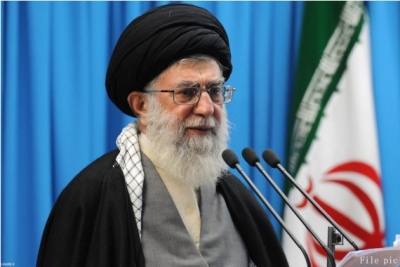
Iran’s foreign ministry reacted angrily, describing the decision as a “provocative and unnecessary escalation” that would “seriously undermine” its ongoing engagement with the International Atomic Energy Agency (IAEA). It pledged that the move would be “met with appropriate responses”.
In a statement, Tehran insisted it had shown “utmost restraint and steadfast commitment” to diplomacy, and accused the European powers of failing to honour their own obligations under the JCPOA. Iran added that it remained open to discussions with the Security Council but urged rejection of the snapback mechanism.
The development further complicates already fraught relations between Tehran and Washington. Talks aimed at reviving the nuclear deal have been stalled since June, following a US airstrike on Iranian nuclear sites and Tehran’s subsequent decision to bar UN-backed inspectors from accessing several of its facilities.
The JCPOA, concluded in Vienna in 2015 between Iran and six world powers – the US, UK, France, Germany, China and the European Union – was hailed as a landmark agreement. In exchange for stringent limits on uranium enrichment and intrusive international monitoring, Iran received relief from years of crippling sanctions that had strangled its economy.
However, the pact began to unravel after former US President Donald Trump unilaterally withdrew in 2018, branding the accord “disastrously flawed”. His administration reimposed sweeping sanctions, prompting Iran to progressively scale back compliance and resume higher-level enrichment.
Western governments now argue that Iran has stockpiled highly enriched uranium approaching weapons-grade levels without a credible civilian justification. In their letter to the Security Council, the E3 declared Iran’s conduct “clear and deliberate non-compliance”, adding that its nuclear activities “remain a clear threat to international peace and security”.
British Foreign Secretary David Lammy said the E3 had recently offered Iran an extension of sanctions relief on the condition that it made tangible efforts to meet its obligations. “Regrettably, Iran has made no substantive effort to do so and has consistently failed to provide credible assurances about the nature of its nuclear programme,” he told reporters.
Lammy emphasised that the E3 would continue to engage with Iran during the 30-day window in search of “any serious diplomatic efforts” to restore compliance, but stressed that the responsibility lay with Tehran.
The United States welcomed the European initiative. A spokesperson for Secretary of State Marco Rubio said Washington would work closely with London, Paris and Berlin to ensure the snapback was completed.
“At the same time, the United States remains available for direct engagement with Iran, in furtherance of a peaceful, enduring resolution to the Iran nuclear issue,” the spokesperson added.
The IAEA has long voiced concerns over Iran’s nuclear activities. While Tehran insists its programme is solely for civilian energy and medical purposes, inspectors have raised questions over access restrictions, undeclared sites and unexplained uranium traces. Western governments argue that such activities point to potential military dimensions.
Iran, however, maintains that it has never sought nuclear weapons and accuses the West of hypocrisy, pointing to Israel’s undeclared nuclear arsenal and what it calls Washington’s “double standards” in the region.
The Security Council now has until late September to decide whether to allow sanctions relief to continue. If no consensus is reached, the punitive measures – including bans on arms sales, financial restrictions and travel curbs – will snap back into place automatically.
Diplomats caution that the coming month will be decisive. Some believe Tehran may yet seek last-minute concessions to avert renewed sanctions, while others fear the process will harden positions on both sides, pushing the crisis into more dangerous territory.
With the Middle East already roiled by conflict and shifting alliances, the dispute over Iran’s nuclear ambitions has once again returned to centre stage. Whether the snapback proves a catalyst for renewed diplomacy or marks the death knell of the 2015 accord remains to be seen.