August 29, 2025
5 mins read

76% of Brits support EU youth mobility plans

A YouGov survey showed support across the political spectrum, with even 61 per cent of those who voted to leave the bloc in 2016 in favour of such a deal…reports Asian Lite News

New research commissioned by Abta and Seasonal Businesses in Travel (SBiT) has revealed overwhelming public backing for a youth mobility deal with the European Union, piling pressure on the government to act following May’s UK-EU Summit.

A YouGov survey of 2,224 British adults, carried out on 25–26 August, found that 76 per cent of respondents support an agreement that would allow young people from the UK to live, work and study in the EU for temporary periods. Crucially, the survey showed support across the political spectrum, with even 61 per cent of those who voted to leave the bloc in 2016 in favour of such a deal.

Abta, the UK’s leading travel association, said the findings underline the public’s recognition of the benefits of restoring youth mobility, describing the results as “strong support” from voters of all political persuasions. The association noted that young people have faced fewer opportunities to work abroad since Brexit, a change which has also hurt the UK’s outbound travel industry.

According to Abta’s data, the number of Britons working in overseas tourism support roles – such as holiday representatives and resort staff – has fallen by 69 per cent since the Brexit referendum. Industry leaders argue this has deprived young people of a traditional entry point into travel careers, while simultaneously making it harder for UK firms to staff popular European destinations.

The travel sector has long emphasised the economic weight it brings to Britain. Abta points out that the outbound travel industry contributes more than £52 billion annually in Gross Value Added (GVA) to the economy, and that almost half of senior leaders in the industry began their careers in overseas roles. Restoring opportunities for youth mobility, it argues, is not only about cultural enrichment but also about maintaining the UK’s long-term competitiveness in tourism.

The associations are now urging ministers to seize the moment by negotiating with Brussels. They argue that the political will exists on both sides, particularly after the UK-EU deal reached in May, which covered cooperation in areas such as enhanced use of e-gates for British travellers.

Luke Petherbridge, Abta’s director of public affairs, said: “We know that travel is one of the most noticeable areas that has been altered by the UK’s departure from the EU – with Brits now having to join different passport queues, and changes to the in-destination experience of UK holidaymakers as it has become harder for travel companies to get UK staff into Europe. We welcomed the UK-EU deal in May. We now need to see progress on the items within the deal, such as enhanced use of e-gates and, importantly, restoring opportunities for young people from the UK to live and work in the EU, which often is the way people take their first steps into a career in travel.”

He added that such measures would give the industry the tools to grow and ensure its continued success, while reinforcing Britain’s image as an outward-looking nation.

The survey also highlighted broader public appetite for repairing relations with the EU. Two-thirds (66 per cent) of respondents said they believed closer ties with the bloc would boost the UK economy. Meanwhile, 57 per cent supported generally closer relations with Brussels, compared to just 12 per cent who preferred greater distance.

For the travel industry, the stakes are particularly high. Petherbridge warned of upcoming changes that could affect border crossings and holiday bookings. The EU’s new Entry/Exit System is due to be introduced in October, followed by its own pre-travel authorisation system in 2026, while the UK launched its Electronic Travel Authorisation scheme earlier this year.

“These changes require ongoing attention to avoid disruption, especially for certain types of travel such as school trips,” he said. “Future deals must be reached to avoid new barriers being placed to travel. The polling undertaken this weekend demonstrates that there is strong support for this approach among the UK public.”

Charles Owen, managing director at Seasonal Businesses in Travel, echoed the call for urgency. He argued that while some temporary arrangements have been patched together, they remain unilateral, inconsistent and inadequate for long-term planning.

“The industry has been held back by the lack of mobility arrangements,” he said. “Whilst some temporary arrangements have been agreed, these are not universal – and are unilateral, so offer little certainty. A UK-EU wide agreement will offer a partial solution, and we’d encourage ministers to get on and do the deal.”

The findings come at a politically delicate moment for the government. While ministers have expressed caution about re-opening wide-ranging talks with Brussels, business leaders and now the public appear to be moving in favour of more pragmatic cooperation. With the EU’s own border systems about to undergo major changes, industry figures warn that delay could lead to disruption during the busy travel seasons ahead.

For Abta and SBiT, the message is clear: restoring youth mobility is not just a cultural matter, but one tied to the UK’s economic prospects and the future health of a sector that employs tens of thousands. Whether the government seizes the opportunity to move negotiations forward remains to be seen, but public opinion – at least according to this latest poll – appears firmly in favour.

Previous Story

Davey Snubs Trump Over Gaza

Next Story

UK, allies move to reimpose UN sanctions on Iran

Previous Story

Davey Snubs Trump Over Gaza

Next Story

UK, allies move to reimpose UN sanctions on Iran

Latest from -Top News

Pakistan Risks Overstretching Itself in Yemen War

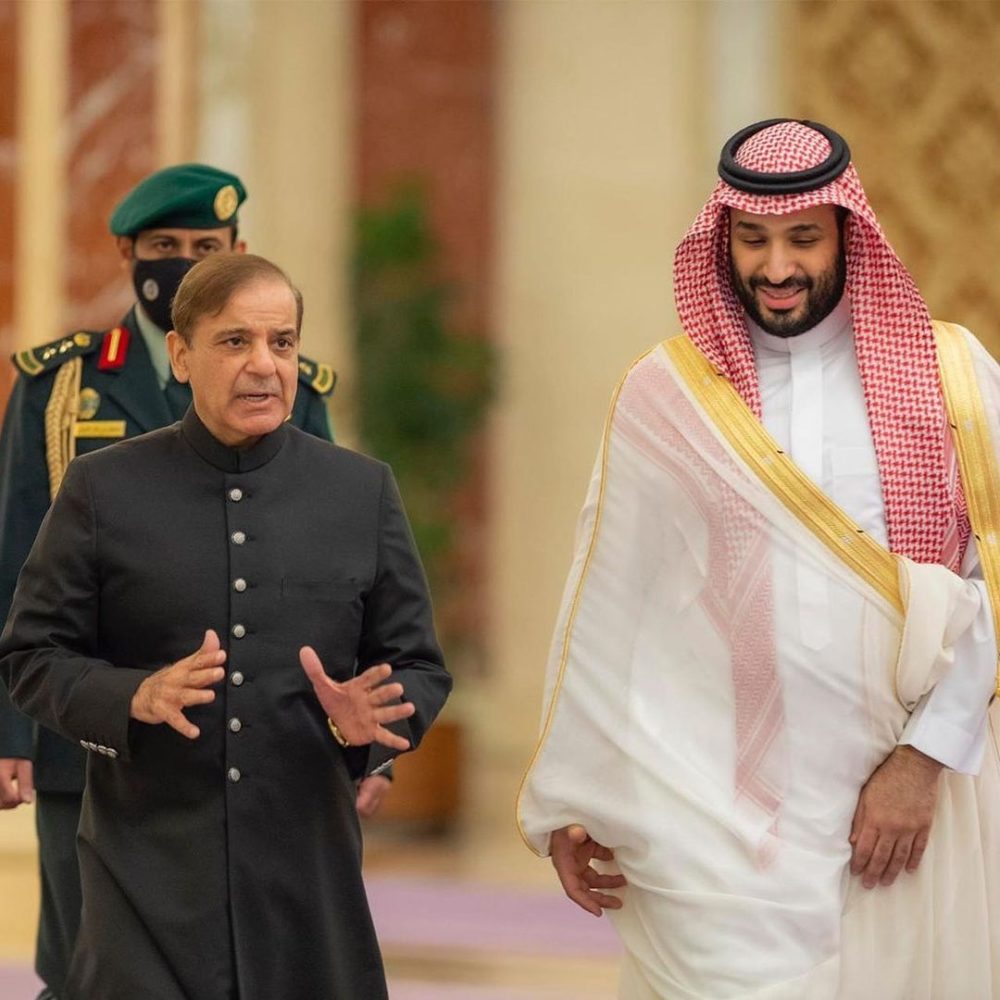
Pakistan’s expanding military role in Saudi Arabia amid the Yemen conflict could strain its defence resources and fragile finances…reports Asian Lite News Desk Pakistan’s military involvement in the war in Yemen may prove unsustainable because of mounting financial pressures and competing security demands, according to a new report. Islamabad’s growing military presence in Saudi Arabia risks stretching its defence resources while exposing the country to greater strategic and economic challenges. An article by Andrew Wilson in One World Outlook describes Pakistan’s involvement as a case of “fiscal and strategic overreach”, arguing that the country lacks the financial flexibility to sustain an expanded military commitment. Pakistan’s external finances depend heavily on an International Monetary Fund (IMF) programme, financial support from Gulf countries and remittances from Pakistani workers in the region. The report argues that deeper military involvement in the conflict could place additional pressure on these sources of financial stability. It also warns that deploying troops and military equipment abroad could weaken Pakistan’s capacity to address security challenges along its eastern border and deal with two domestic insurgencies. The move could also draw Islamabad into a conflict it has sought to approach cautiously. A Reuters report in May, citing Pakistani security and government sources, said Islamabad had deployed around 8,000 troops, a squadron of approximately 16 aircraft, mostly JF-17 fighter jets, two drone squadrons and a Chinese HQ-9 air-defence battery to Saudi Arabia. According to those sources, Riyadh was financing the deployment, with Pakistani personnel operating the equipment. The sources also said a confidential agreement contemplated the possibility of deploying up to 80,000 troops. Islamabad has not confirmed those figures, although it has acknowledged its military presence in Saudi Arabia, including the deployment of fighter jets at King Abdulaziz Air Base from April. The One World Outlook article argues that Saudi financial support can cover allowances and operating expenses but cannot easily replace military equipment needed elsewhere or resolve the political and strategic challenges of participating in the Yemen conflict. Pakistan’s defence budget is another concern. For the 2026-27 financial year, the federal government allocated PKR 3 trillion, or approximately $10.8 billion, to defence services. The allocation represents an 18 per cent increase from the original PKR 2.55 trillion provision and amounts to around 2.1 per cent of projected gross domestic product (GDP). Defence spending accounts for approximately 16 per cent of the federal government’s PKR 18.8 trillion expenditure. Military pensions are budgeted separately at PKR 822 billion, while debt servicing costs stand at approximately PKR 8 trillion, more than two-and-a-half times the defence allocation. The report argues that these competing financial obligations leave little room for additional military expenditure without placing further pressure on public finances. Pakistan’s reliance on IMF assistance also limits its fiscal flexibility. The country must meet the conditions attached to the programme, including a primary budget surplus target of 2 per cent of GDP and continued restraint on development spending. According to the article, these requirements make it difficult for Islamabad to finance an additional military commitment without compromising other budgetary priorities. Pakistan’s economic indicators offer limited reassurance. Economic growth for the 2025-26 financial year is estimated at between 3.6 and 3.7 per cent, while inflation reached approximately 10.3 per cent in September following an energy price shock. Foreign exchange reserves stood at around $21.5 billion at the end of September. Although this marks an improvement from the low levels recorded in 2023, the report notes that the reserves cover only a few months of imports. Financial assistance from Gulf partners remains central to Pakistan’s external stability. The article says Islamabad holds approximately $8 billion in Saudi deposits at its central bank. In July, the State Bank of Pakistan said Riyadh had extended the maturity of $5 billion in deposits to December 2028, easing the country’s immediate external financing requirements. A further $3 billion deposit was also extended in the spring. However, the article argues that these arrangements provide temporary relief rather than long-term financial independence, particularly as regional conflict threatens the stability of the Gulf economies on which Pakistan relies. The report concludes that Pakistan faces a difficult balance between supporting Saudi Arabia militarily and preserving the financial and military resources needed to address its domestic and regional challenges.

UK and Germany Ratify Kensington Treaty

Britain and Germany ratify the Kensington Treaty, agreeing new cooperation on AI, quantum research, defence and security while targeting investment, jobs and Russian hybrid threats…reports Asian Lite News Desk Britain and Germany

Economic tide is turning in Bangladesh

If there is one thing that can bring some comfort to the struggling Bangladeshi economy, it is good relations with India. Bangladesh should remember that Delhi’s backing, through easy supplies of essentials
Go toTop

Don't Miss

UK Govt gives asylum to son of Singapore founder  

The government denies these claims and says he is free

US, UK carry out fresh strikes in Yemen

The attacks targeted military installations, missile and drone launchers, and