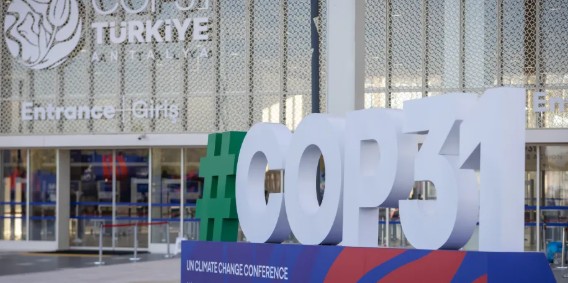
The presence of fossil fuel-linked representatives in national delegations at COP31 has triggered criticism from climate campaigners and transparency groups…reports Asian Lite News Desk
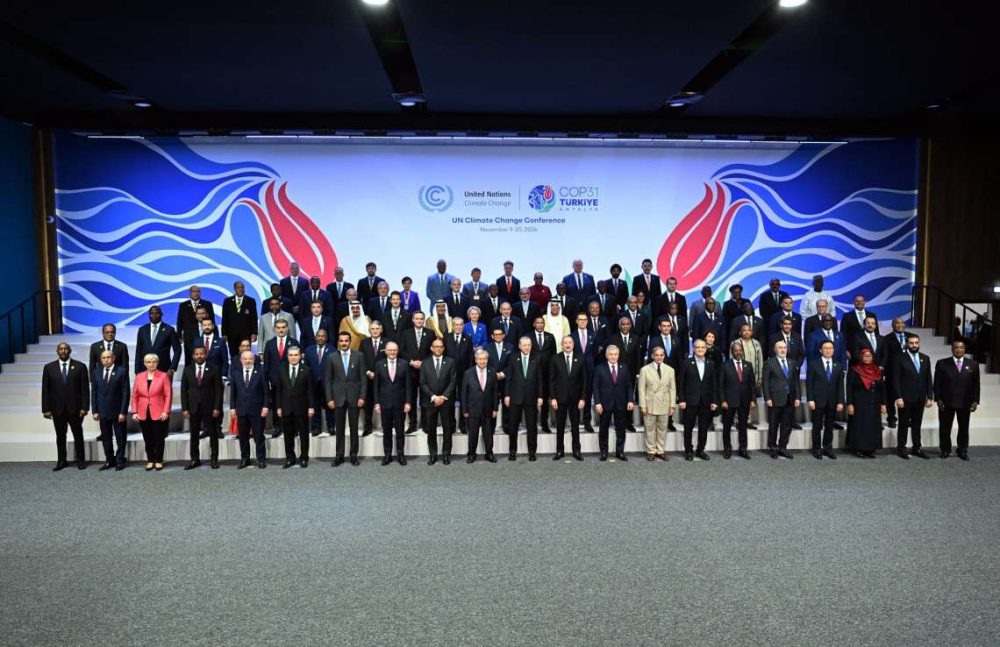
The growing presence of fossil fuel companies at the 31st United Nations Climate Change Conference (COP31) in Antalya has raised concerns among environmental organisations, climate activists and human rights groups, with questions emerging over the influence of polluting industries on global climate negotiations.
A preliminary analysis by Transparency International of the conference participant list found that Australia, which holds the COP31 presidency, and the European Union (EU), which positions itself as a climate leader, have fossil fuel-linked and business representatives within their delegations.
According to the analysis, 43 of the 218 business and commercial participants in Australia’s delegation, representing 23 organisations, were linked to the fossil fuel sector. This accounts for nearly one in five business delegates.
EU member states registered 780 business delegates, around 70 per cent of whom held senior positions, while 98 per cent were registered with overflow badges.
The analysis also highlighted a long-standing transparency gap, noting that 19 per cent of all national delegates did not disclose their relationship with the nominating entity. The figure rises to 42 per cent when those categorised as ‘guests of the nominating entity’ are included.
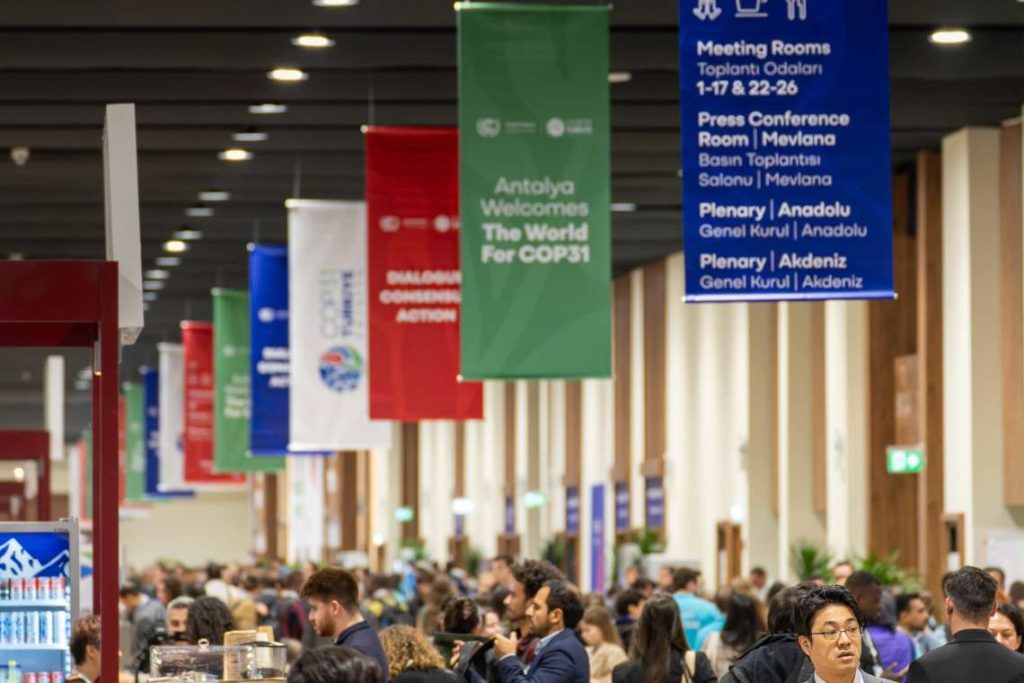
Brice Böhmer, Climate and Environment Lead at Transparency International, said business participation had become a recurring feature of the annual climate negotiations, with many representatives holding senior positions.
“When a large share of delegates have an unclear relationship to nominating entity, the public cannot tell whether climate policy is being shaped in the public interest or by those with a financial stake in the status quo,” he said.
The presence of fossil fuel-linked representatives in Australia’s delegation has also drawn criticism from climate campaigners.
Harjeet Singh, global convener of the Fill the Fund campaign, told IANS that the presence of fossil fuel representatives raised serious questions about Australia’s ability to lead the negotiations impartially.
He argued that instead of making polluters pay for climate-related damage, Australia was giving fossil fuel companies a prominent position within its official delegation.
“You cannot claim to be an impartial steward as president of the negotiations while handing badges to the very companies driving the crisis,” Singh said.
He called on Australia to remove fossil fuel interests from its delegation, introduce stricter conflict-of-interest rules and ensure polluters are held financially accountable for climate damage.
Fossil fuel transition roadmap puts presidencies under pressure
The concerns come as countries face growing pressure to establish clear plans for transitioning away from fossil fuels.
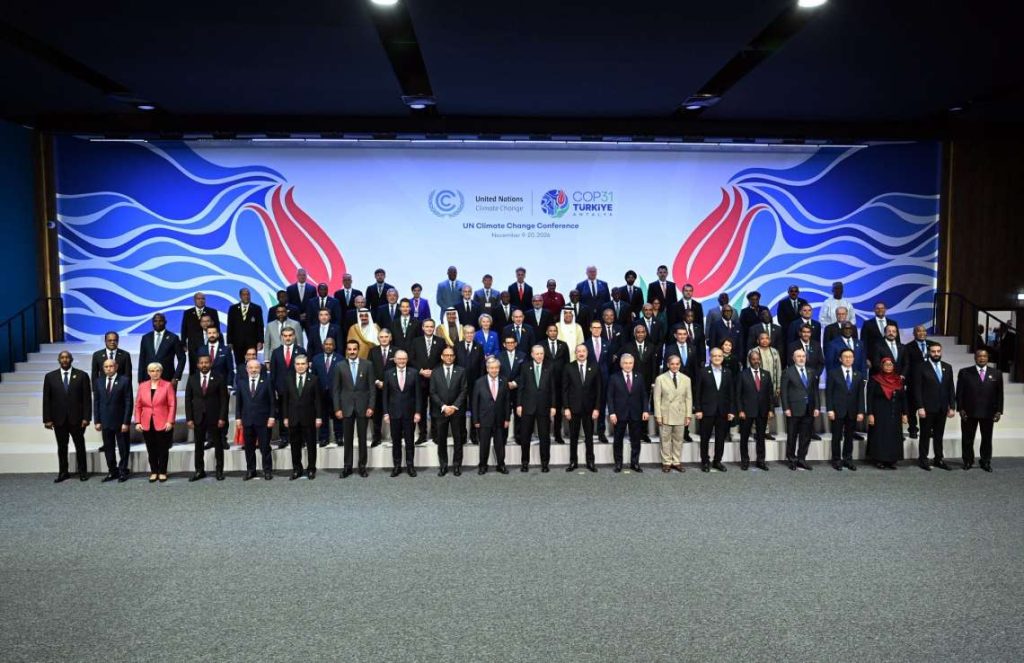
Brazil’s COP30 Presidency formally presented a global roadmap for moving away from fossil fuels at COP31, with United Nations Secretary-General Antonio Guterres and Brazilian President Luiz Inácio Lula da Silva urging countries to develop national transition plans.
Several developed and developing countries welcomed the roadmap, describing it as an opportunity to accelerate climate action and strengthen accountability.
However, interventions by the COP31 Presidencies of Australia and Turkey were brief and general, avoiding any substantial reference to fossil fuels, according to climate campaigners.
Anna McGurk, International Campaigner at Beyond Fossil Fuels, criticised the response, saying both countries had missed an opportunity to demonstrate leadership.
“Turkey and Australia have been handed a roadmap and a clear political mandate to act, yet neither offered a concrete way forward. This was a huge missed opportunity to demonstrate leadership and turn international momentum into real action,” she said.
Experts at the conference have also urged governments to examine the role of their state-owned oil companies, which account for more than half of global oil production.
Brazil’s state-owned oil and gas company Petrobras, for instance, plans to spend $69.2 billion on fossil fuel exploration and production between 2026 and 2030.
Meanwhile, Turkey’s national oil company announced the discovery of new oil fields this week, despite the country hosting the ongoing climate conference.
Business leaders and renewable energy investment
Alongside the debate over fossil fuel influence, the COP31 Business Forum opened on Thursday, bringing together more than 600 chief executives and senior business leaders representing nearly 300 organisations.
The forum is focused on accelerating private-sector investment and action in areas including electrification, resilient cities and green industrialisation.
A major renewable energy agreement between Turkey and China also highlighted the investment opportunities being discussed at the conference.
Signed with China’s National Energy Administration, the agreement envisages approximately $15 billion in investment in Turkey. It includes plans for 7,000 MW of new solar and wind capacity, energy storage systems and 4,000 MW of electricity transmission capacity.
The agreement will also support technology transfer and the domestic production of wind turbine equipment in Turkey.
COP31 is being held in Antalya until November 20, with the growing debate over fossil fuel influence, accountability and the pace of the global energy transition emerging as key issues at the conference.