Increased military co-operation to tackle the growing threats facing Europe will be at the heart of a new defence and security agreement launched by the UK and Poland
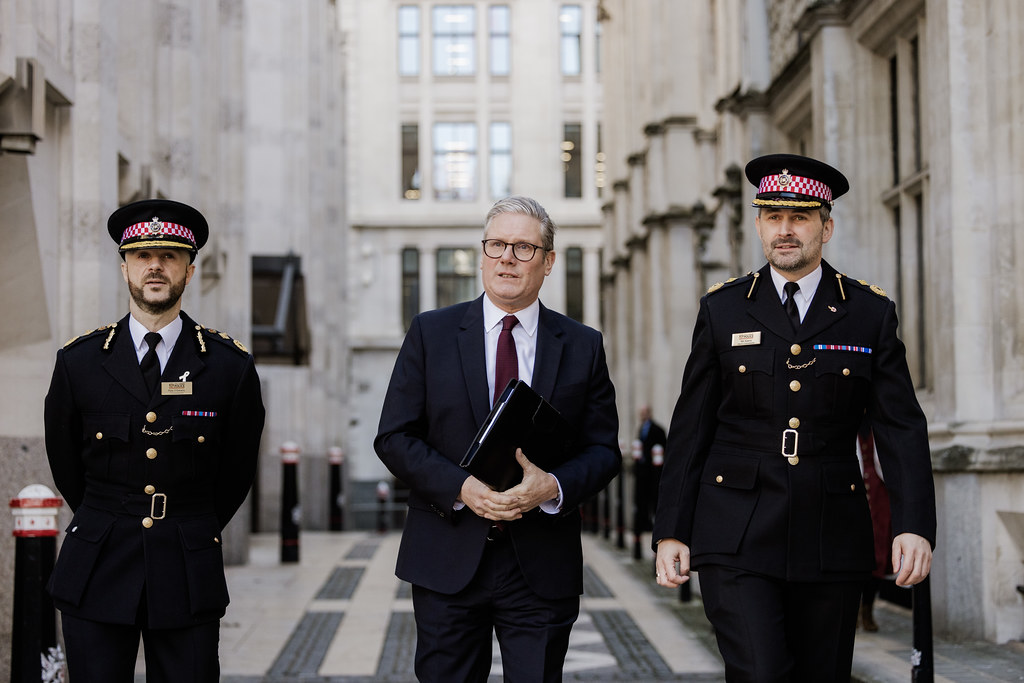
In a pivotal move to strengthen European security, the UK and Poland have announced a new defence and security agreement designed to tackle the increasingly complex and pressing threats facing the continent. Prime Minister Keir Starmer is set to visit Poland, where he will meet with Polish Prime Minister Donald Tusk to formally initiate talks on the groundbreaking UK-Poland Treaty.
The agreement, which is expected to significantly deepen military and industrial cooperation, comes at a time of heightened tensions in Europe, with Russia’s ongoing aggression in Ukraine, rising threats from people smuggling gangs, and the growing challenges posed by climate change. Prime Minister Starmer has stressed that this new partnership will be essential in addressing these issues, many of which reverberate directly onto the British public.
“With Putin’s ongoing aggression in Ukraine, the people smuggling gangs profiting from human misery and wreaking havoc across borders, and the growing threat of climate change – closer collaboration with our European allies is necessary to protect the British people and to ensure our security,” Starmer said in a statement ahead of his visit.
With Putin’s ongoing aggression in Ukraine, the people smuggling gangs profiting from human misery and wreaking havoc across borders, and the growing threat of climate change – closer collaboration with our European allies is necessary to protect the British people and to ensure our security.
Kier Starmer
The treaty outlines a series of initiatives aimed at enhancing the military cooperation between the two nations. By working closely together, the UK and Poland will strengthen their joint efforts to counter Russian aggression, combat disinformation campaigns, and protect critical infrastructure. The agreement also places a special emphasis on the need to dismantle the people smuggling syndicates that have been causing chaos along European borders, securing vital energy supplies, and addressing hybrid warfare threats.
For many years, the UK and Poland have maintained a close alliance, especially within the framework of NATO. The two countries have already collaborated on several major defense projects, including the MIECZNIK AH140 Frigate Programme and the NAREW Ground-Based Air Defence Programme. The new treaty will expand on these initiatives, ensuring both nations are better prepared to face emerging security challenges.
A key component of the agreement will involve a boost to the UK’s defense industries. Prime Minister Starmer confirmed the opening of a new UK-Poland Joint Programme Office in Bristol later this year. The office, which will be staffed by personnel from both countries, will oversee the delivery of Poland’s next-generation air defense system. One of the flagship initiatives under the treaty is the NAREW programme, a collaboration between British defense company MBDA and Poland’s PGZ. This project will see the delivery of more than 1,000 air defense missiles to Poland, bolstering its national security while contributing to wider European stability.
The treaty’s announcement follows Starmer’s recent visit to Ukraine, where he reaffirmed the UK’s ongoing commitment to Ukraine’s sovereignty with a new 100-year partnership. “Keeping our nation safe and secure is my government’s highest priority,” Starmer added, emphasizing that national security is the cornerstone of his broader “Plan for Change,” which seeks to address a range of domestic and international challenges.
As part of the new treaty, the UK and Poland will also intensify their efforts to combat illegal migration. Poland, which has been on the frontline of Europe’s struggle against organized immigration crime, has witnessed a surge in migrant crossings along its Belarusian border. These crossings have been facilitated by human trafficking gangs, with suspected backing from Belarusian and Russian authorities. In response, the UK recently introduced a world-first sanctions regime aimed at crippling these criminal networks and disrupting their illicit financial operations.
Discussions on the treaty are expected to begin later this month and are seen as a key step in the UK’s broader diplomatic reset with Europe. The treaty will build on recent agreements with France and Germany, further strengthening the UK’s ties with its European partners in the face of evolving threats.
In addition to security matters, Starmer’s visit to Warsaw will focus on boosting economic ties between the two nations. Bilateral trade between the UK and Poland has seen remarkable growth in the past decade, with trade reaching £30.6 billion in 2024. British firms exported goods and services worth £10.6 billion to Poland last year, supporting approximately 75,000 jobs in the UK.
One major announcement during the Prime Minister’s visit is an investment deal from Polish company InPost. The company, a leader in European e-commerce logistics, has pledged a further £600 million in investment by 2029 to expand its operations in the UK, bringing its total investment to £1 billion. This expansion is expected to create up to 12,000 new jobs in the UK, contributing significantly to the nation’s economic growth.
This announcement is part of a broader series of job-boosting initiatives linked to the government’s “Plan for Change.” These include a £14 billion investment in AI technology, a £4 billion investment by Malaysian company YTL, and a £50 million deal to build a new manufacturing facility in Sunderland in collaboration with Nissan and JATCO. Collectively, these investments aim to create thousands of new jobs and promote sustainable economic growth across the UK.
As the UK and Poland move forward with the new treaty, the focus remains on ensuring a safer, more secure, and economically prosperous future for both nations, while reaffirming their commitment to addressing the shared challenges that affect Europe as a whole.
ALSO READ: Exciting Opportunity for UK Entrepreneurs in Dubai