
Britain and India will deepen telecoms cooperation, using AI, shared expertise and stronger networks to tackle increasingly sophisticated online fraud and scams across borders….reports India Daily News Desk
The UK and India are stepping up cooperation against online fraud and scams, with their telecommunications industries set to use artificial intelligence and shared expertise to strengthen digital security.
The partnership was formalised on Monday through a Memorandum of Understanding between the UK government and the Cellular Operators Association of India (COAI), bringing telecoms companies and policymakers in both countries closer together on tackling cross-border digital crime.
The agreement will provide a framework for the two sides to exchange knowledge, share industry experience and develop approaches to emerging fraud threats affecting consumers and businesses in both markets.
It will also examine how advances in AI can be used to make telecommunications networks more secure and resilient. As digital services become increasingly dependent on connected networks, criminals are also using technology to develop more sophisticated scams and fraud operations.
The British High Commission said the cooperation would place the telecoms industry at the centre of efforts to build a safer and more trusted digital environment.

“AI is transforming how communication networks are designed and secured. Close government-industry collaboration is vital to protecting citizens, businesses and institutions from emerging digital threats.”
- Ben Mellor, Acting British High Commissioner
Ben Mellor, Acting British High Commissioner to India, said technological change was transforming how communications networks were designed and secured, making cooperation between governments and industry increasingly important.
He said the agreement reflected a shared UK-India commitment to addressing emerging challenges at the intersection of telecommunications and digital security.
The initiative forms part of the wider UK-India Technology Security Initiative, which was launched in 2024 to deepen cooperation in critical and emerging technologies including telecoms, AI, semiconductors and quantum technologies.
The two countries have since expanded their technology partnership. In 2025, they announced the India-UK Connectivity and Innovation Centre, backed by an initial combined investment of £24 million over four years, focusing on AI-enabled telecommunications, next-generation connectivity and telecoms cybersecurity.
The latest agreement comes as the UK faces a significant domestic fraud challenge. Fraud against individuals and businesses is the country’s largest crime type and was estimated to cost the UK economy £14.4 billion in 2023-24. The government has committed more than £250 million between 2026 and 2029 to implement its new Fraud Strategy.
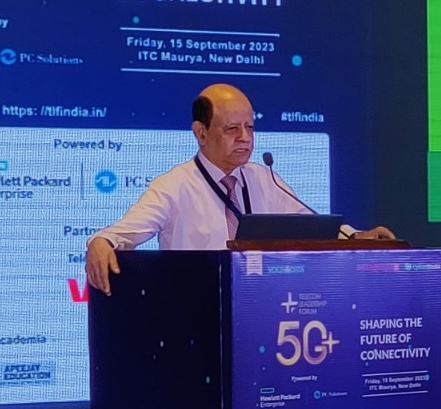
“India’s next phase of connectivity must be intelligent, secure and resilient. This MoU reflects the importance of international collaboration in shaping safer, AI-enabled digital networks.”
- Lt. Gen. Dr. SP Kochhar, Director General, COAI
The UK is also seeking greater international cooperation because fraud increasingly crosses national borders. A global public-private partnership launched earlier this year brought governments, banks, telecommunications companies and technology firms together around information sharing, coordinated prevention and innovation.
Lt Gen Dr SP Kochhar, Director General of COAI, said India’s next phase of connectivity needed to be secure, resilient and focused on citizens.
He said telecom networks would increasingly become AI-enabled systems capable of improving performance, strengthening security and protecting consumers from emerging digital risks.
The first formal UK-COAI collaboration included representatives from India’s Department of Telecommunications, the Telecom Regulatory Authority of India, Vodafone, Jio Infocomm and Bharti Airtel.
The agreement gives the UK and India a new platform to share practical approaches as AI becomes increasingly embedded in communications networks, while strengthening their wider technology and security partnership.