Britain has stepped up pressure on foreign governments to take back their nationals who have no right to remain in the UK, using visa restrictions as leverage to secure cooperation on returns…reports Asian Lite News
Angola and Namibia have agreed to accept the return of illegal migrants and criminals following a warning from the British government that visa penalties would be imposed on countries that refuse to cooperate, the UK Home Office said late on Saturday. The move comes as part of a tougher approach by the UK to speed up removals and deter irregular migration, backed by diplomatic pressure and restrictions on travel access to Britain.
In contrast, the Democratic Republic of the Congo has been stripped of fast-track visa services and preferential treatment for VIPs and senior decision-makers after failing to meet Britain’s requirements on cooperation, according to the Home Office. Officials said the measures were designed to signal that access to the UK’s visa system would depend on countries meeting their obligations to accept the return of their nationals.
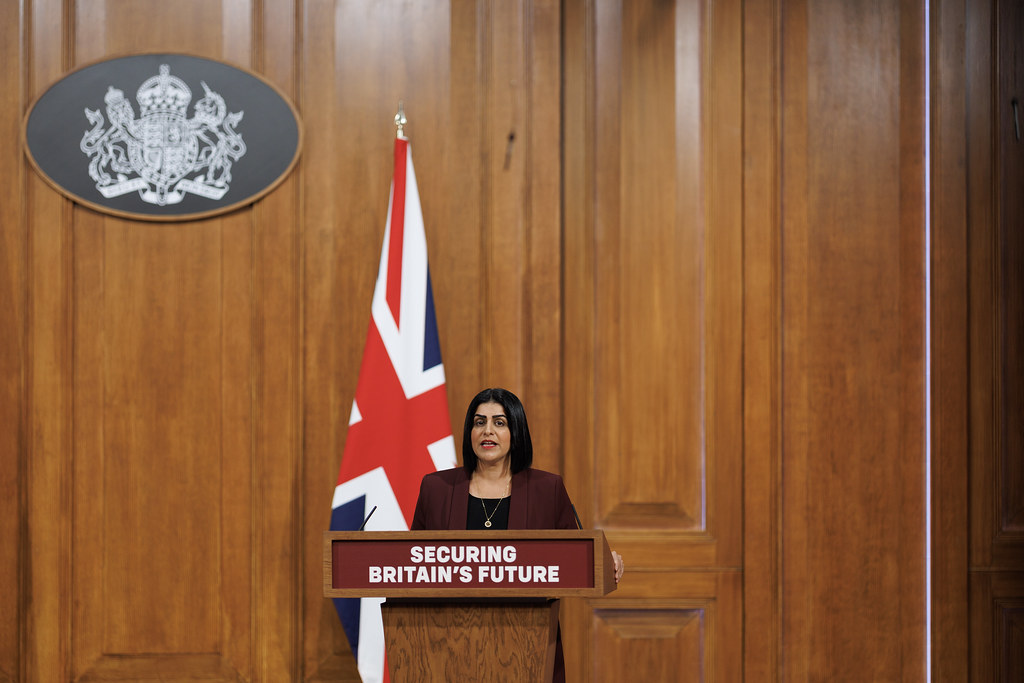
Home Secretary Shabana Mahmood warned that further steps could follow if cooperation does not improve. She said Britain could escalate measures to a complete halting of visas for the DRC unless “co-operation rapidly improves.” She added: “We expect countries to play by the rules. If one of their citizens has no right to be here, they must take them back.”
The agreements with Angola and Namibia mark the first significant operational changes following reforms announced by the government last month aimed at tightening the asylum and immigration system. Those reforms include plans to make refugee status temporary in certain cases and to accelerate the deportation of people who enter Britain illegally or overstay their visas. Ministers argue that faster returns are necessary both to deter dangerous journeys and to maintain confidence in the immigration system.
Officials said the new approach places a stronger emphasis on bilateral agreements and direct engagement with foreign governments. Diplomatic missions have been instructed to prioritise returns negotiations, with visa policy increasingly used as a tool to encourage compliance. The Home Office said the visa penalties framework allows the UK to apply graduated measures, ranging from restrictions on diplomatic and official visas to broader limits affecting ordinary travellers.
Foreign Secretary Yvette Cooper said the government had already increased the pace of removals. She said the UK has “removed more than 50,000 people with no right to remain” since July last year, representing a 23 percent increase compared with the previous period. She added that diplomats had been instructed to make returns a top priority in their dealings with overseas counterparts.
The Democratic Republic of the Congo’s loss of fast-track and VIP visa privileges is intended to place pressure on senior figures and decision-makers, rather than ordinary citizens. The Home Office said such measures are reversible if cooperation improves, but stressed that the UK would not hesitate to escalate restrictions if necessary. Officials declined to set a specific timetable for further action, saying it would depend on progress in talks.
The use of visa sanctions reflects a broader shift in UK immigration policy, aligning Britain with other European countries that have sought to link development aid, trade access or travel privileges to cooperation on migration. Supporters argue that without credible consequences, some countries have little incentive to accept returns, leaving the UK unable to remove people who have exhausted their legal options.
Critics, however, have warned that visa penalties risk damaging diplomatic relations and could disproportionately affect students, families and businesses with legitimate reasons to travel. They also question whether sanctions will lead to sustainable cooperation or simply harden positions. The government insists that safeguards are in place to ensure measures are targeted and proportionate.
The Home Office said returns agreements with Angola and Namibia cover both failed asylum seekers and foreign national offenders who have completed prison sentences in the UK. Officials said operational work was under way to implement the agreements swiftly, including arranging travel documents and charter flights where necessary.
Ministers have framed the policy as part of a wider effort to reduce the number of people living in the UK without legal status, ease pressure on asylum accommodation, and restore what they describe as fairness to the system. With further reforms promised and more countries under review, officials signalled that visa policy would remain a central lever in Britain’s migration strategy in the months ahead.