Plans for the UK’s largest floating solar farm have been approved in Cumbria, paving the way for a major expansion of renewable energy generation in the north of England…reports Asian Lite News
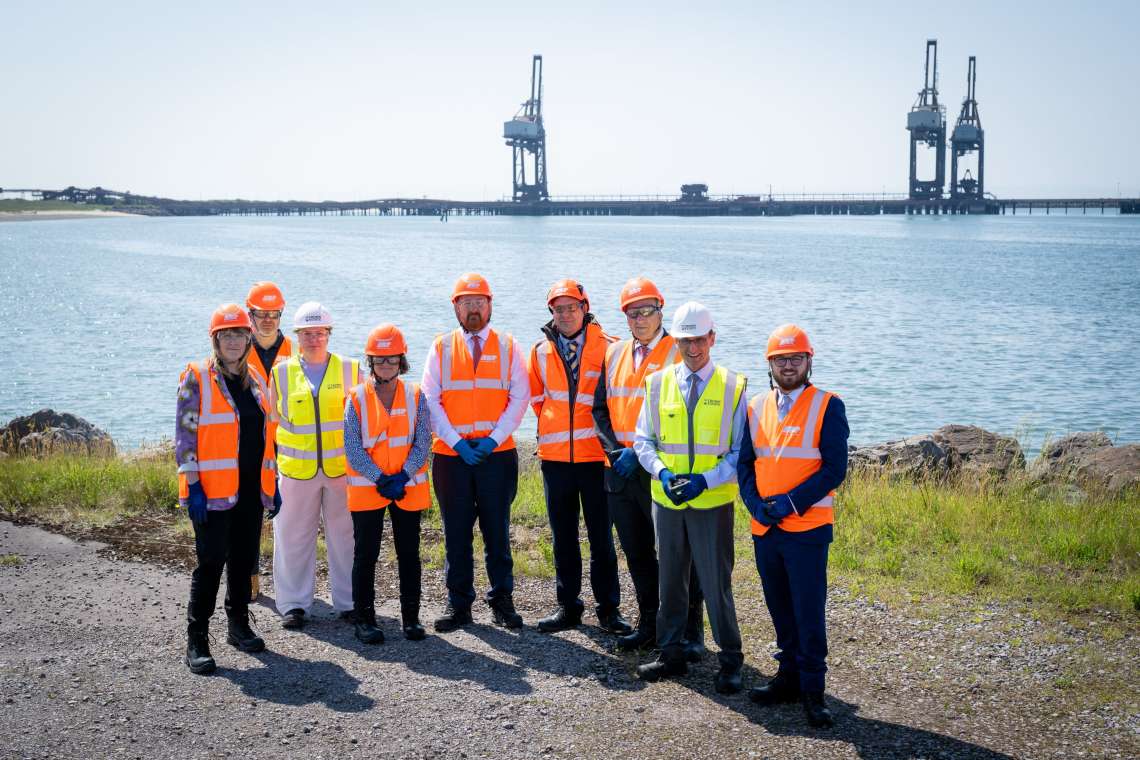
A floating solar farm billed as the UK’s largest is set to be built in the north of England after securing planning permission from Westmorland and Furness Council, marking a major step in the region’s transition to renewable power and industrial decarbonisation. The 46,500-panel array will be installed at the Port of Barrow’s Cavendish Dock in Cumbria, where it is expected to generate enough electricity to power 14,000 homes each year. Associated British Ports (ABP), which owns and operates the port, will deliver the project as part of a wider plan to reshape Barrow’s industrial energy supply and support the area’s growing advanced manufacturing sector.
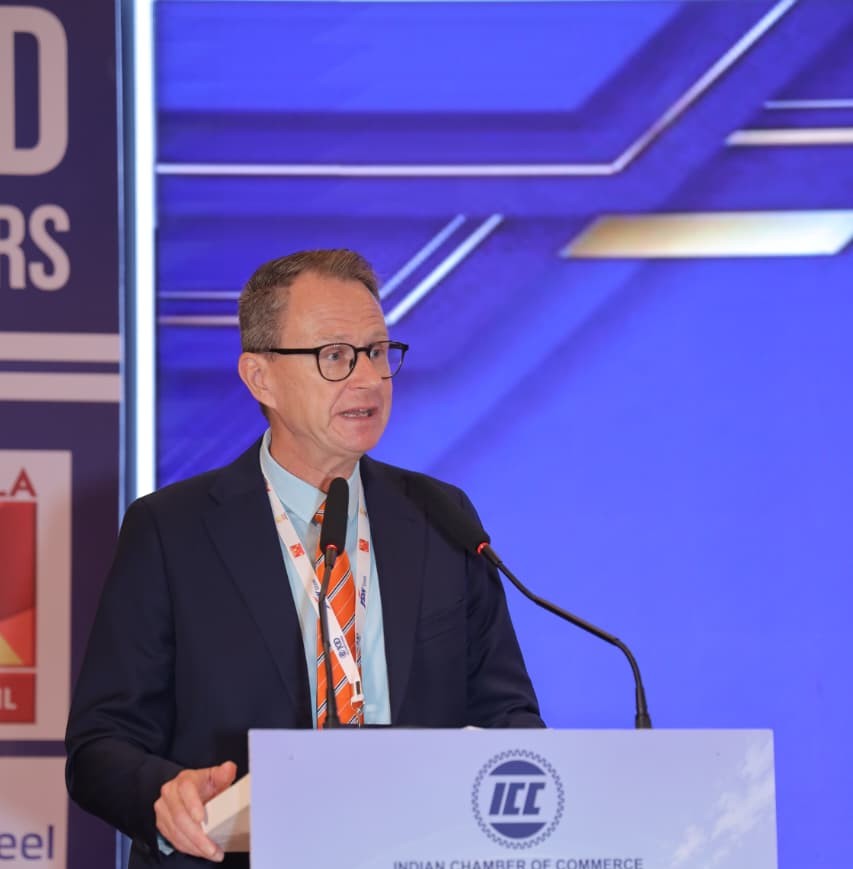
ABP said the scheme, known as Barrow Energy Dock, is intended to supply renewable power directly to local industry, including BAE Systems Submarines, one of the region’s largest employers. By generating power on-site, the company hopes to curb exposure to volatile electricity prices and strengthen the energy security of key manufacturers. Kirsten Abbott, ABP’s senior project manager for energy generation and storage, said: “The energy is intended to be used by the advanced manufacturing sector and will help to better control the cost of electricity at the port as well as helping to reduce carbon emissions and improve energy resilience for local industry.” The company has promoted the project as a long-term investment in the area’s industrial competitiveness, arguing that decarbonised energy infrastructure is now central to retaining and attracting high-value manufacturing.
The development was approved by councillors on Monday despite concerns raised by the Cumbria Bird Club, which warned the installation could disturb important bird species. Lapwings and curlews are known to use Cavendish Dock to rest and feed, and the club argued that large-scale floating panels could alter habitats and displace wildlife. Their objection formed the main environmental issue considered during the council’s deliberations, prompting a review of the potential risks posed by construction and long-term operation of the floating array.
ABP responded by including a range of ecological mitigation and enhancement measures within its proposal. These include seabird nesting rafts, floating reed beds and artificial habitats positioned beneath the panels to support marine and avian life. The company said the measures were designed not only to offset disruption but to improve biodiversity across the dock area over time. According to ABP, the scale of the project means environmental considerations have been central to the design, and the firm maintains the energy dock can coexist with local wildlife while contributing to national renewable generation targets.
Bryan Davies, ABP’s divisional port manager, described the approval as a significant step in the transformation of the Port of Barrow, stating the solar farm would “drive economic growth” and represented a major milestone in the company’s plans. The port, long associated with heavy engineering and defence manufacturing, is undergoing a phase of redevelopment to support emerging clean-energy industries. ABP’s broader strategy includes creating a new base for offshore wind production, positioning Barrow as a hub for low-carbon industrial activity in the north-west.
Supporters of the project argue that the floating solar farm could help strengthen the region’s standing as a centre for renewable energy and advanced manufacturing, especially as the UK seeks to accelerate progress toward net zero targets. Floating solar, still relatively new in the UK compared with ground-mounted installations and offshore wind, offers a way to scale up capacity without using land needed for housing, farming or conservation. Cavendish Dock, an enclosed water body beside a major industrial complex, is considered by planners to be a suitable site for such an installation, providing both space and direct access to industrial energy users.