From subsidised wheat to electricity, from land rights to freedom of expression, unrest in PoJK and GB is no longer episodic. It reflects a structural failure of governance under Pakistan’s administration, compounded by security-driven control and the absence of constitutional safeguards, writes Dr Sakariya Kareem
Humanitarian crises are often imagined as sudden catastrophes — earthquakes, wars, or famines that command instant global attention. In Pakistan-occupied Jammu and Kashmir (PoJK) and Gilgit-Baltistan, the crisis has unfolded differently.
It has grown slowly, embedded in daily deprivation, political exclusion, and administrative neglect.
Over the past two years, that quiet suffering has spilled onto the streets, as ordinary residents protest against the denial of basic amenities that many elsewhere take for granted.
From subsidised wheat to electricity, from land rights to freedom of expression, unrest in PoJK and GB is no longer episodic. It reflects a structural failure of governance under Pakistan’s administration, compounded by security-driven control and the absence of constitutional safeguards.
Rising protests and the price of survival
The most visible trigger for recent unrest has been the sharp increase in the price of subsidised wheat, a staple in the mountainous regions of Gilgit-Baltistan.
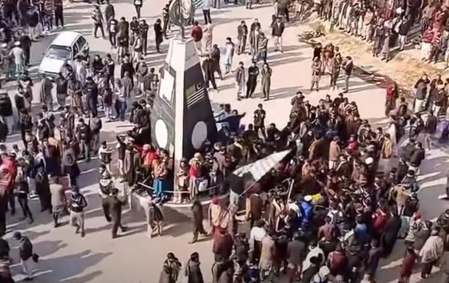
In early 2024, protests erupted across all ten districts of GB, including Skardu, Gilgit, Hunza, Nagar, and Diamer, led by the Awami Action Committee. Markets shut down, transport halted, and thousands gathered in coordinated demonstrations.
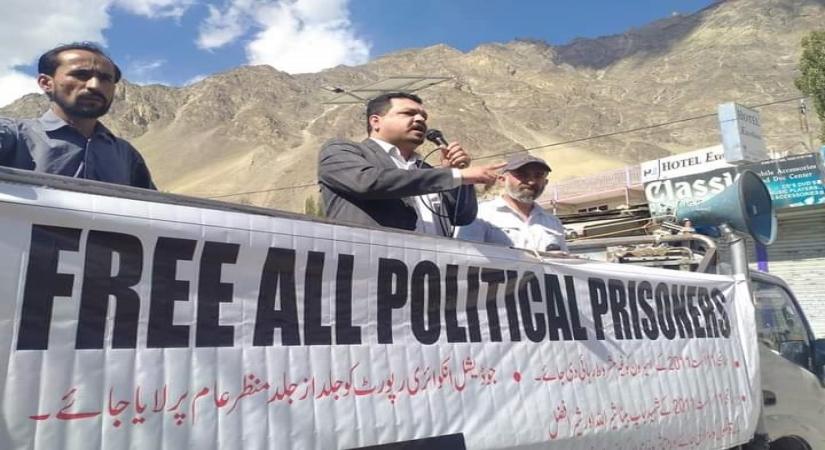
These protests were not confined to food prices. Electricity shortages and inflated power bills have become a year-round ordeal.
Despite hosting major hydropower projects, residents endure prolonged load-shedding while being charged commercial tariffs. The contradiction has become emblematic of the wider crisis — regions rich in natural resources but denied their benefits.
In PoJK, similar protests escalated into region-wide shutdowns. Demonstrators refused to pay electricity bills, citing unaffordable rates, unpaid salaries, and the erosion of basic civil liberties.
The response from authorities has often involved arrests, communication blackouts, and the use of force.
Governance without representation
At the heart of the humanitarian crisis lies political disenfranchisement. Gilgit-Baltistan remains without full provincial status, denying its population representation in Pakistan’s National Assembly or Senate.
This constitutional limbo has persisted for more than seven decades, leaving residents subject to federal decisions without parliamentary voice.
PoJK, which Pakistan describes officially as “Azad”, operates under an administrative framework that concentrates decisive power in Islamabad. Key fiscal, legal, and security decisions are taken beyond the region, limiting local autonomy.
The absence of accountable governance has meant that policies affecting food prices, taxation, and land use are imposed without public consultation.
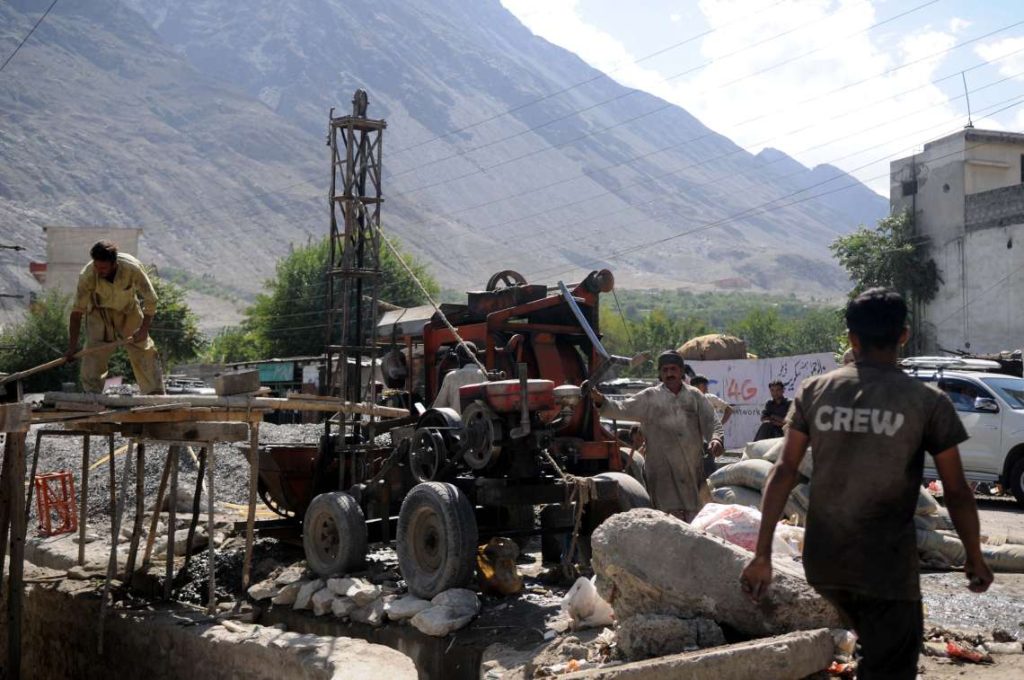
The Finance Act 2023 and the Gilgit-Baltistan Revenue Authority legislation triggered widespread anger precisely because they reinforced this pattern of unilateral decision-making.
Protest leaders have consistently highlighted that economic policies are crafted without consent, yet enforced with coercion.
Land, resources, and allegations of exploitation
Land ownership has emerged as another flashpoint. In Gilgit-Baltistan, large tracts of land are classified as state property, leaving communities without legal ownership over ancestral lands.
Allegations of land grabs linked to infrastructure and strategic projects have intensified resentment, particularly where locals claim displacement without compensation.
Resource exploitation has followed a similar pattern. Hydropower generated in PoJK and GB is transmitted to Pakistan’s national grid, while local populations face shortages and inflated tariffs.
The perception that regional resources are extracted for external benefit has deepened mistrust toward federal authorities.
Critics argue that security agencies, particularly the Inter-Services Intelligence, play a central role in managing dissent rather than addressing grievances.
Allegations of surveillance, intimidation, and enforced disappearances have surfaced repeatedly in reports by rights groups.
Crackdowns, casualties, and silenced Dissent
The humanitarian crisis has been aggravated by the state’s response to protest.
In 2025, demonstrations in Muzaffarabad and other PoJK towns turned deadly when security forces opened fire on protesters demanding economic relief and political rights.
Multiple civilian deaths and serious injuries were reported, triggering further unrest.
Communication blackouts have become a recurring tactic. Internet and mobile services have been suspended during protests, isolating entire regions from national and international scrutiny.
Markets and roads have been forcibly closed, disrupting access to healthcare and essential supplies.
These measures have reinforced perceptions that dissent in PoJK and GB is treated as a security threat rather than a humanitarian concern.
International attention and official denial
The crisis has begun to attract international attention, though sporadically.
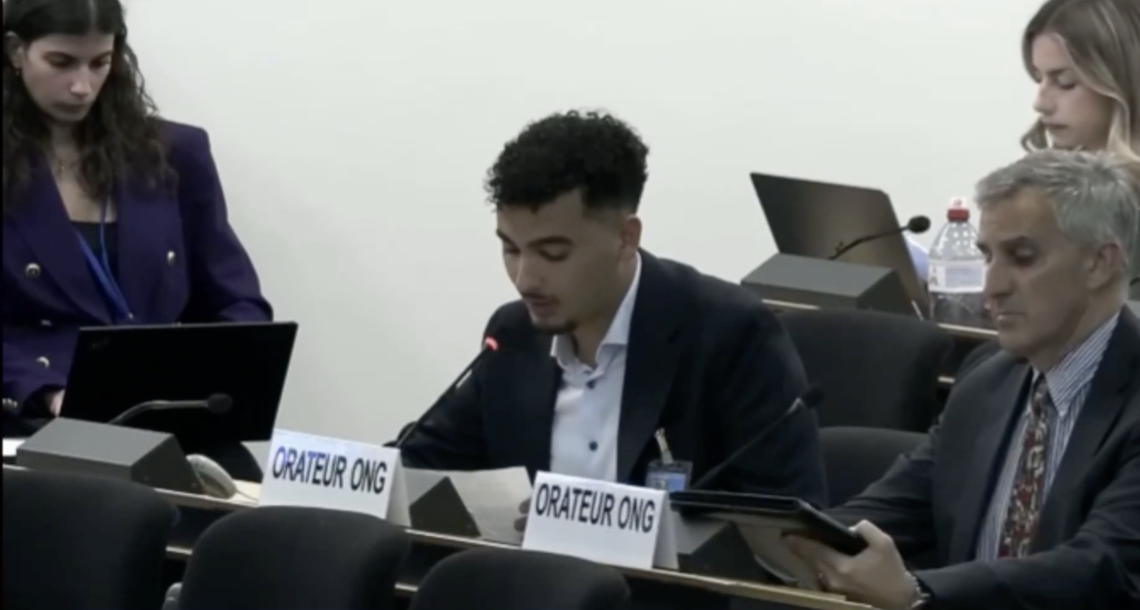
In 2025, activists from PoJK and Gilgit-Baltistan raised concerns at a side event during the UN Human Rights Council session in Geneva, highlighting restrictions on freedom of expression and peaceful assembly.
Speakers described systematic suppression and the absence of legal protections for millions living in the disputed territories.
Despite such interventions, Pakistan’s official response has largely focused on denial. Authorities have frequently attributed protests to “external influence”, a narrative that sidesteps the documented economic and humanitarian grievances raised by residents themselves.
Meanwhile, global media attention has remained inconsistent, with extensive coverage of rights issues elsewhere contrasted by limited scrutiny of developments in PoJK and GB.
Widening humanitarian fault line
The denial of basic amenities in PoJK and Gilgit-Baltistan has created a humanitarian fault line that continues to widen. Inflation, unemployment, food insecurity, and power shortages intersect with political exclusion and security-driven governance.
The growing participation of women and students in protests underscores the depth of frustration within society.
What is unfolding is not a temporary disturbance but a sustained crisis rooted in structural neglect.
As protests continue and crackdowns intensify, the humanitarian situation in PoJK and GB stands as a stark indictment of Pakistan’s administrative approach to the territories it controls but does not constitutionally integrate.