German car giant says it is ready to play a “positive role” as Europe boosts military spending…reports London Daily News desk
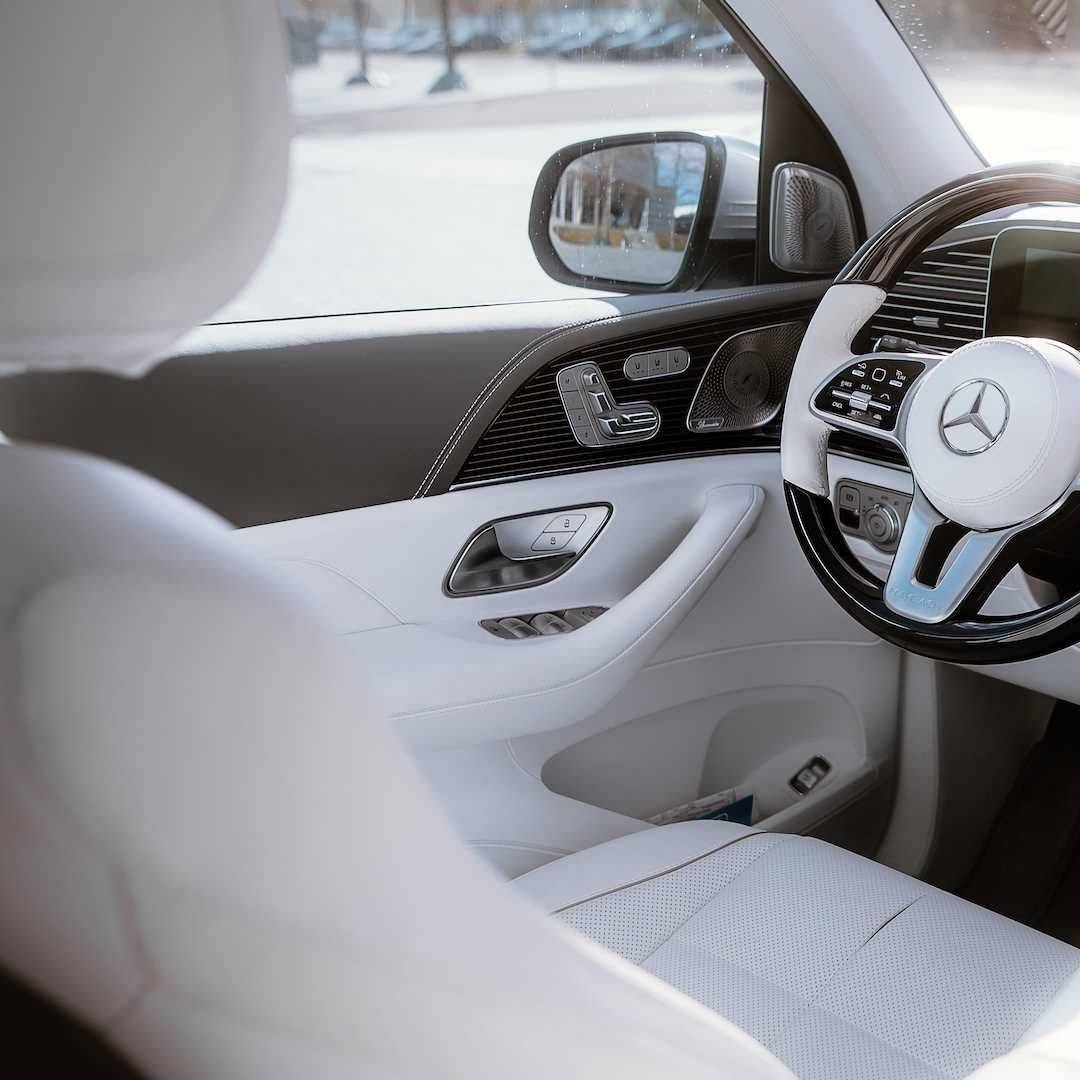
Mercedes-Benz chief executive Ola Källenius has said the German luxury carmaker could expand into the defence industry as Europe increases military spending in response to growing geopolitical tensions and the war in Ukraine.
In an interview with The Wall Street Journal published on Friday, Källenius said he had not ruled out Mercedes-Benz taking a more active role in defence related production.
“The world has become more unpredictable, and I think it is quite clear that Europe needs to strengthen its defence capabilities,” he said.
“If we are able to play a positive role in this area, we would be ready to do so.”
The comments come as Germany accelerates efforts to strengthen its armed forces following Russia’s invasion of Ukraine in February 2022.
Germany’s defence sector has seen rapid growth in recent years, with arms manufacturer Rheinmetall significantly expanding its operations into naval systems and drone technology as European governments boost military budgets.

At the same time, Germany’s major carmakers have faced increasing pressure from global competition, slowing demand and trade tensions. Companies such as Mercedes-Benz and Volkswagen have also been grappling with fierce competition from Chinese electric vehicle manufacturers and the impact of tariffs in key markets.
In March, Volkswagen chief executive Oliver Blume said the company was in discussions with defence firms about potentially converting one of its German factories to produce military transport equipment.
According to the Financial Times, talks are under way with Rafael Advanced Defense Systems, the Israeli company behind the Iron Dome missile defence system.
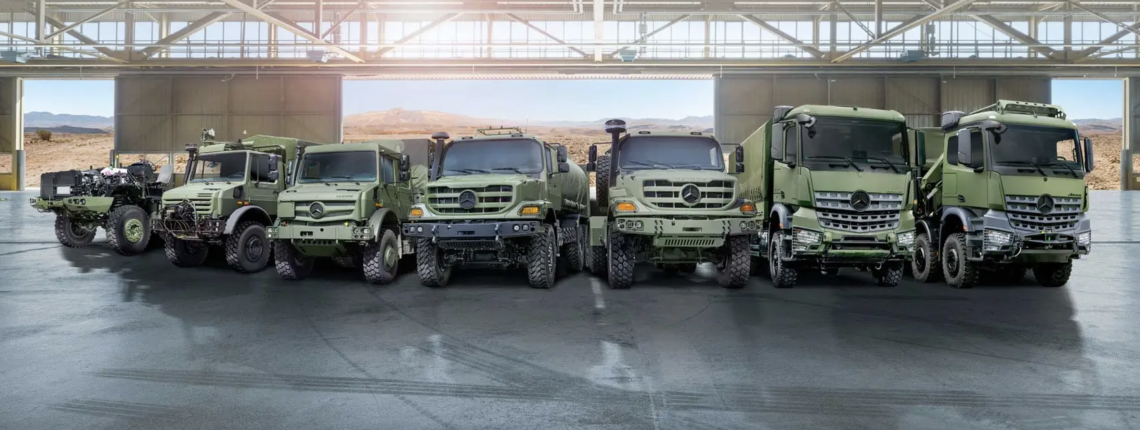
Mercedes-Benz has already maintained links to military related production through the supply of chassis to specialist defence manufacturers.
Responding to Källenius’s remarks, a Mercedes-Benz spokesperson said the company had “for many years been supplying chassis to specialised firms which equip and market them under their own responsibility and under their own brand for military applications”.
The spokesperson added that security and defence related activities represented a “strategic development focus” that the company planned to continue pursuing with partners.
Källenius did not specify what kind of defence products Mercedes-Benz could manufacture in the future, but suggested the sector would likely remain a relatively small part of the company’s wider business.
He said defence related activities would probably represent only a “minor part” of Mercedes-Benz operations compared with its core car and van manufacturing divisions.
However, he described defence as “a rapidly growing niche” that could still make a meaningful contribution to the group’s financial performance.
The growing interest from Germany’s automotive sector in defence manufacturing reflects wider changes across Europe’s industrial landscape since the Ukraine war began. European governments have sharply increased defence budgets amid concerns over regional security and military readiness.
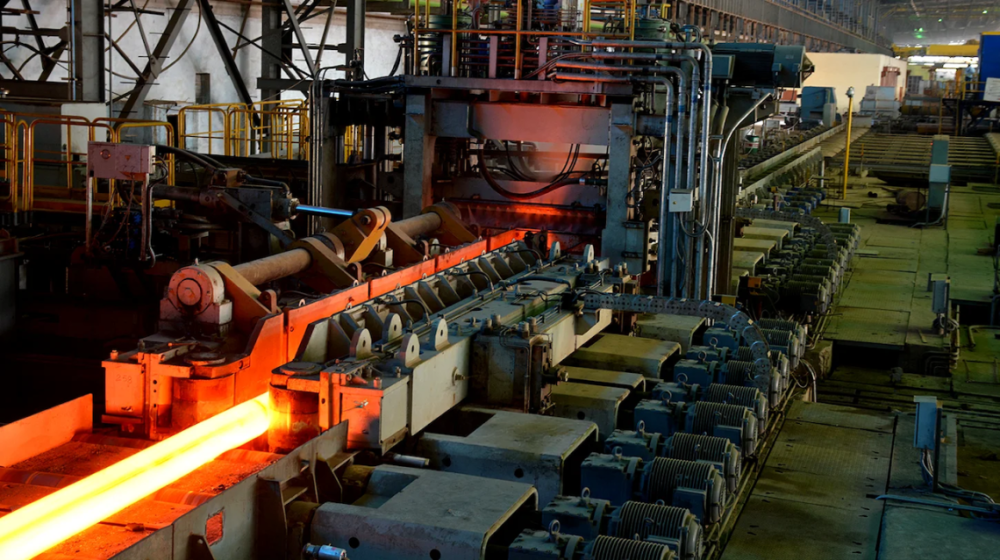
Several industrial groups across the continent are now exploring ways to support defence supply chains, particularly in areas such as military logistics, vehicle production, electronics and advanced engineering.
Mercedes-Benz’s comments also highlight the pressure facing traditional European carmakers as they seek new growth opportunities during a difficult period for the automotive industry, particularly as competition intensifies in the electric vehicle market.