The burden of preventable cancer was found to be significantly higher among men than women. An estimated 45 per cent of new cancer cases in men were linked to preventable factors, compared with 30 per cent in women
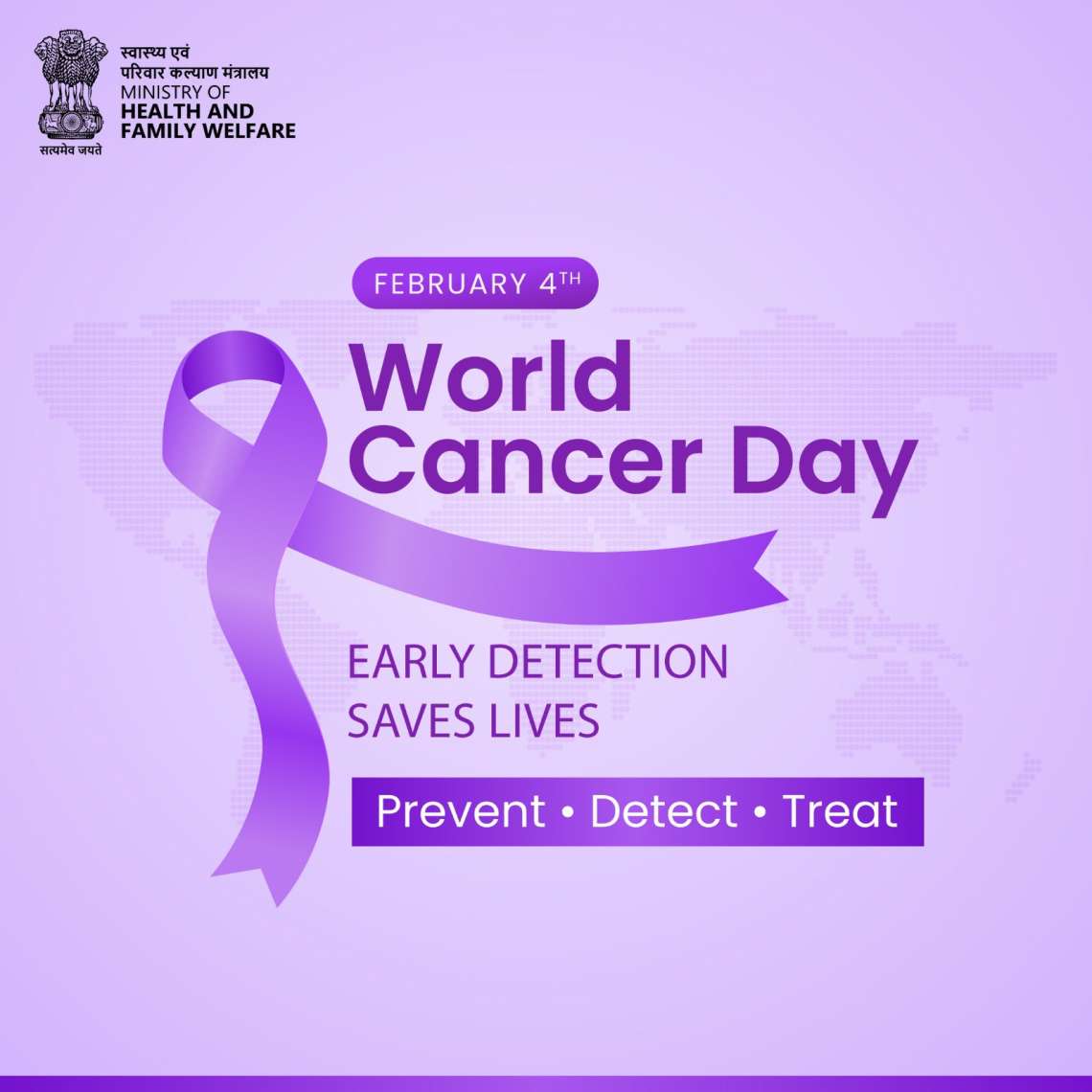
As the world marked World Cancer Day on February 4, a sobering yet hopeful message emerged from a major global analysis by the World Health Organization (WHO) and its cancer research arm, the International Agency for Research on Cancer (IARC): up to 7.1 million cancer cases worldwide could be prevented.
The study, drawing on data from 185 countries and covering 36 different cancer types, estimates that nearly 37 per cent of all new cancer cases diagnosed in 2022 were linked to preventable risk factors. At the heart of the findings lies a familiar but persistent threat — tobacco. Smoking alone was found to be responsible for 15 per cent of all new cancer cases globally, making it the single largest preventable cause of the disease.
For the first time, the analysis also highlighted the significant role of infections, identifying nine cancer-causing infections that together account for around 10 per cent of global cancer cases. Other major contributors included alcohol consumption, high body mass index, physical inactivity, air pollution and exposure to ultraviolet radiation.
Three cancer types — lung, stomach and cervical cancer — together made up nearly half of all preventable cancer cases worldwide among both men and women. Lung cancer was strongly associated with tobacco use and air pollution, while stomach cancer was largely linked to infection with Helicobacter pylori. Cervical cancer, meanwhile, was overwhelmingly caused by infection with the human papillomavirus (HPV), underlining the critical role of vaccination in cancer prevention.
“This is the first global analysis to show how much cancer risk comes from causes we can prevent,” said Dr Rengaswamy Sankaranarayanan Ilbawi, WHO Team Lead for Cancer Control and one of the study’s authors. He noted that examining patterns across countries and population groups can help governments and individuals take targeted action to prevent cancers before they begin.
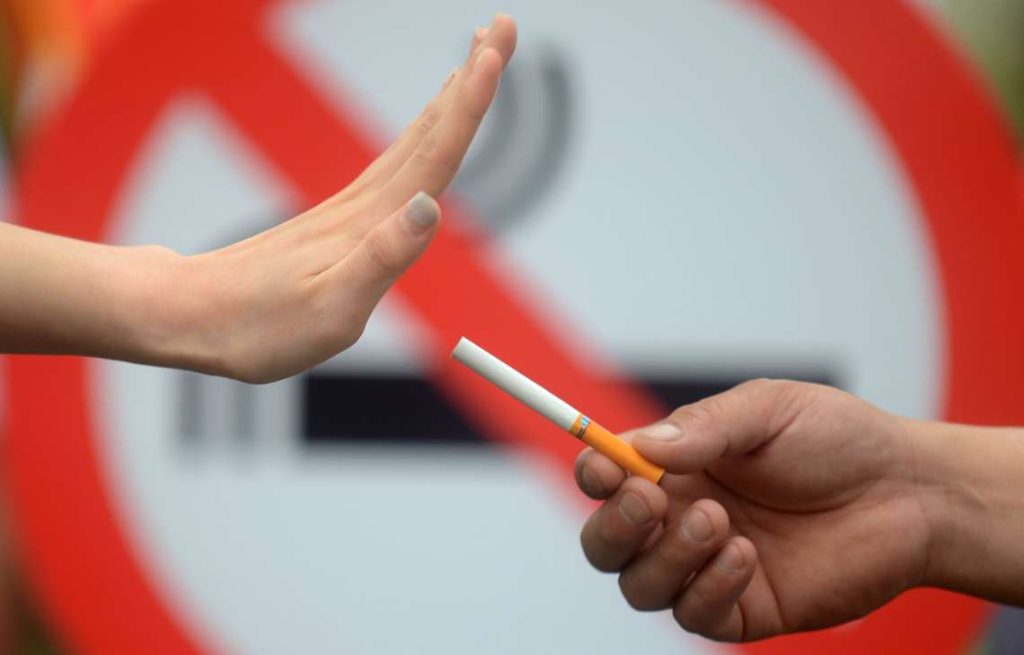
The burden of preventable cancer was found to be significantly higher among men than women. An estimated 45 per cent of new cancer cases in men were linked to preventable factors, compared with 30 per cent in women. Among men, smoking accounted for 23 per cent of all new cancer cases, followed by infections at 9 per cent and alcohol consumption at 4 per cent.
In women, infections were the leading preventable cause, responsible for 11 per cent of new cancer cases, followed by smoking at 6 per cent and high body mass index at 3 per cent. These differences, the report suggests, reflect varying exposure to risk factors as well as social and behavioural patterns across populations.
The findings underscore the urgent need for context-specific cancer prevention strategies. Experts stress the importance of strong tobacco control policies, tighter alcohol regulation, widespread vaccination against cancer-causing infections such as HPV and hepatitis B, improved air quality, safer working environments, and healthier food and physical activity settings.
Beyond saving lives, addressing preventable risk factors could significantly reduce long-term healthcare costs and improve overall population health and well-being. As the WHO analysis makes clear, a substantial share of the global cancer burden is not inevitable — and with sustained preventive action, millions of cases could be avoided.