This shift has become especially relevant with the rise of hybrid and remote work. For many professionals, rigid workout schedules are unrealistic
Modern work life is defined by deadlines, screens, and long hours spent sitting. As virtual meetings stack up and inboxes overflow, health and productivity often slide down the priority list. But experts suggest the answer to burnout and brain fog isn’t working longer hours — it’s moving more during the day. Flexible workouts are emerging as a smart, time-efficient way to boost both fitness and focus without disrupting busy schedules.
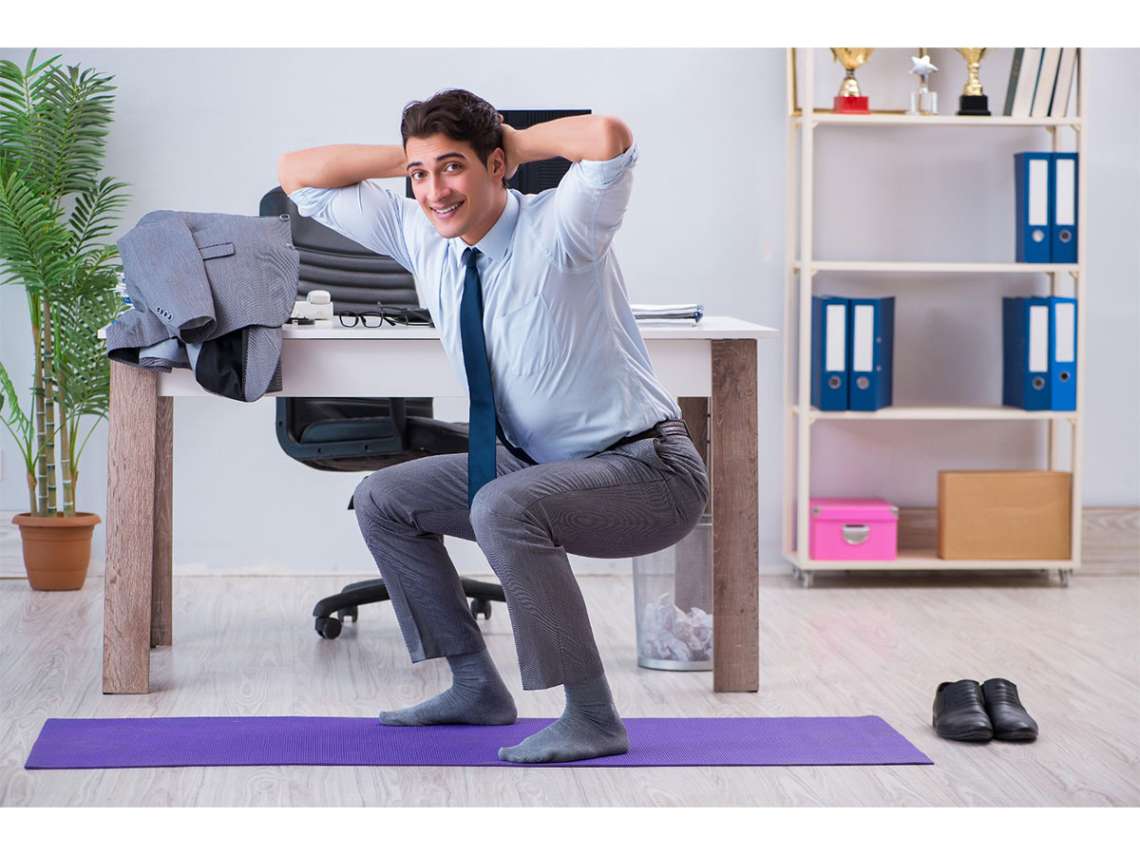
Unlike traditional fitness routines that demand long gym sessions, flexible workouts are designed to fit seamlessly into everyday life. A 10-minute stretch between meetings, a brisk walk during a phone call, or a short yoga flow at home can all make a meaningful difference. Research shows even brief bursts of movement can improve energy levels, sharpen concentration, and lift mood.
This shift has become especially relevant with the rise of hybrid and remote work. For many professionals, rigid workout schedules are unrealistic. Flexible fitness offers adaptability and sustainability, helping people stay active without adding stress. A 2019 study published in the Journal of Occupational Health Psychology found that employees who exercised regularly reported better mood and improved job performance, even when the activity was low-intensity.
The link between movement and mental performance is well established. Exercise increases blood flow to the brain, supporting memory, creativity, and problem-solving. Studies published in Psychological Science have shown that regular physical activity enhances learning and concentration — skills essential in high-pressure work environments. In this sense, workouts for productivity are not a trend, but a science-backed strategy.
Time efficiency is another major advantage. For professionals balancing work and family, a 60-minute workout can feel unattainable. But shorter sessions such as HIIT, yoga, or 15-minute strength routines can deliver powerful results. These quick workouts reduce the pressure of “finding time” and encourage consistency, which matters more than workout length.
Movement also plays a crucial role in combating workplace fatigue. Hours of screen time can dull mental clarity, but even a short activity break can reset focus. Research from the University of Georgia found that just 20 minutes of low-to-moderate aerobic exercise significantly increased energy levels, often more effectively than caffeine.
Yoga, in particular, has gained attention for its dual physical and mental benefits. Its slow, intentional movements reduce stress, improve posture, and promote mindfulness. According to Harvard Health Publishing, yoga and similar practices enhance sleep quality and reduce anxiety — key factors in maintaining productivity.
Ultimately, flexible workouts bridge the gap between health and performance. By integrating movement into the workday, professionals can protect their well-being while working smarter, not harder. In today’s fast-paced world, a little movement may be the most productive habit of all.