Lead researcher Professor Jing Chen described the discovery as unexpected, noting that a nutrient already widely associated with eye health appears to have a completely different biological role
A common plant-based nutrient best known for protecting vision may also play a powerful role in strengthening the immune system’s ability to fight cancer, according to new research from the University of Chicago.
Scientists studying the compound Zeaxanthin have discovered that it may enhance the activity of key immune cells involved in destroying tumours. The findings, published in Cell Reports Medicine, suggest the nutrient could one day support or improve the effectiveness of modern cancer immunotherapies.
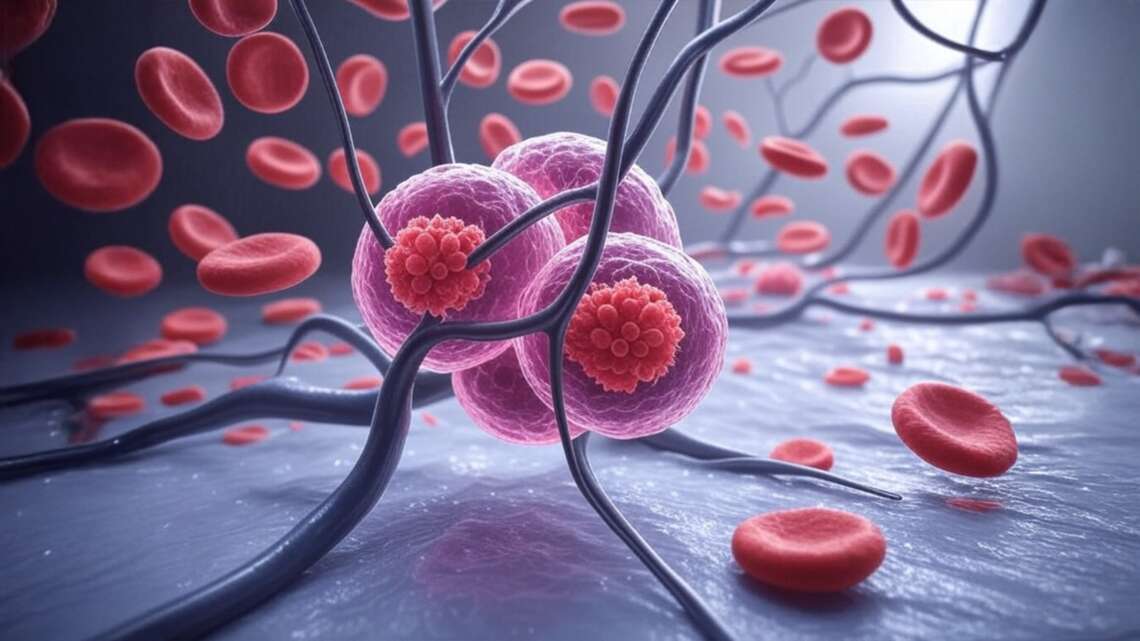
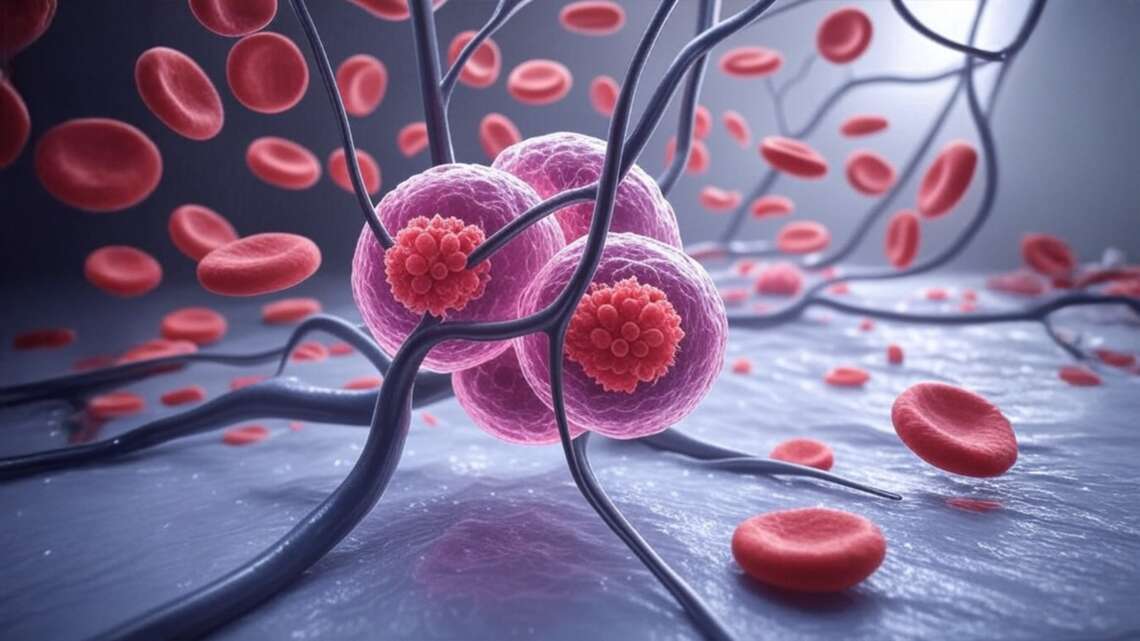
The research team found that zeaxanthin can directly boost the performance of CD8+ T cells, a type of immune cell responsible for identifying and killing cancerous cells. These cells rely on T-cell receptors to recognise abnormal targets in the body. According to the study, zeaxanthin helps stabilise this receptor activity, leading to stronger immune signalling and improved tumour-fighting responses.
Lead researcher Professor Jing Chen described the discovery as unexpected, noting that a nutrient already widely associated with eye health appears to have a completely different biological role. He suggested that such dietary compounds could eventually complement advanced cancer treatments, rather than replace them.
In laboratory experiments, the effects were significant. When zeaxanthin was added to immune cells, researchers observed increased activation, higher cytokine production and a stronger ability to attack cancer cells. In mouse studies, tumour growth slowed, and results improved further when combined with immune checkpoint inhibitors—a major class of cancer therapy.
The nutrient also showed promise in engineered human T cells designed to target specific cancers. In controlled lab conditions, zeaxanthin improved their ability to destroy melanoma, multiple myeloma and glioblastoma cells, raising hopes for broader clinical applications in the future.
Naturally found in foods such as spinach, kale and orange peppers, zeaxanthin is already available as an over-the-counter supplement, primarily used for eye health. Its safety profile and accessibility make it an attractive candidate for further research as a supportive addition to cancer treatment strategies.
However, researchers caution that the findings are still at an early stage. Most of the evidence so far comes from laboratory and animal studies, meaning human clinical trials are necessary before any medical recommendations can be made.
The study also builds on earlier work from the same lab, which identified other dietary compounds that influence immune function. Together, these findings point toward a growing field of “nutritional immunology,” which explores how specific nutrients interact with the immune system at a molecular level.
While it is too early to draw clinical conclusions, scientists say the results open promising new directions. If confirmed in future trials, simple dietary components like zeaxanthin could one day help enhance cutting-edge cancer therapies, making treatment more effective and widely accessible.