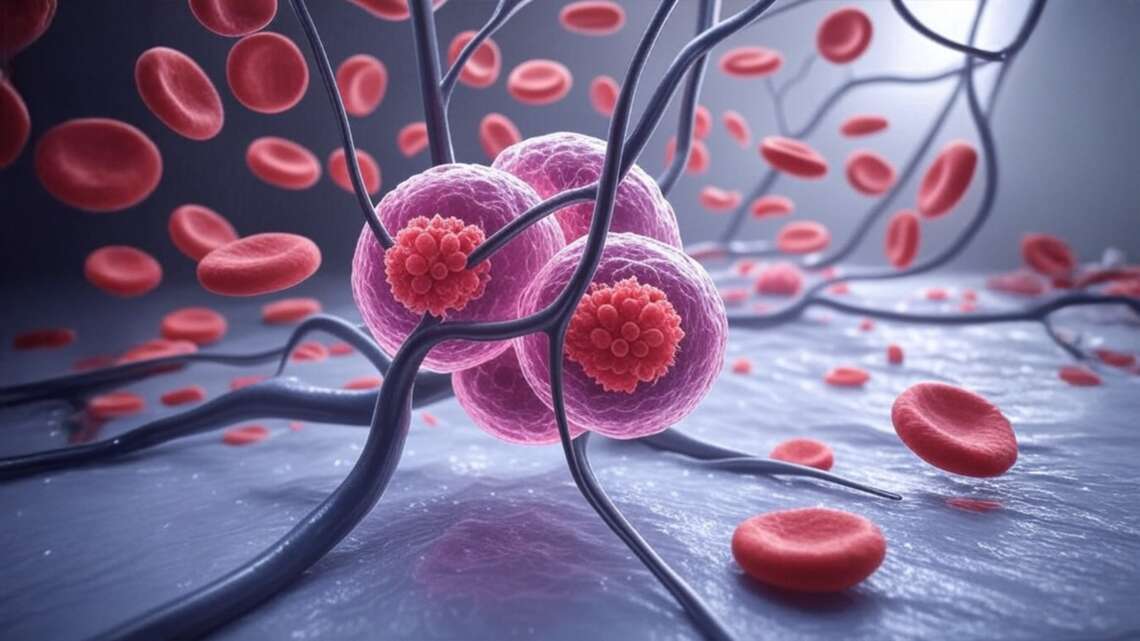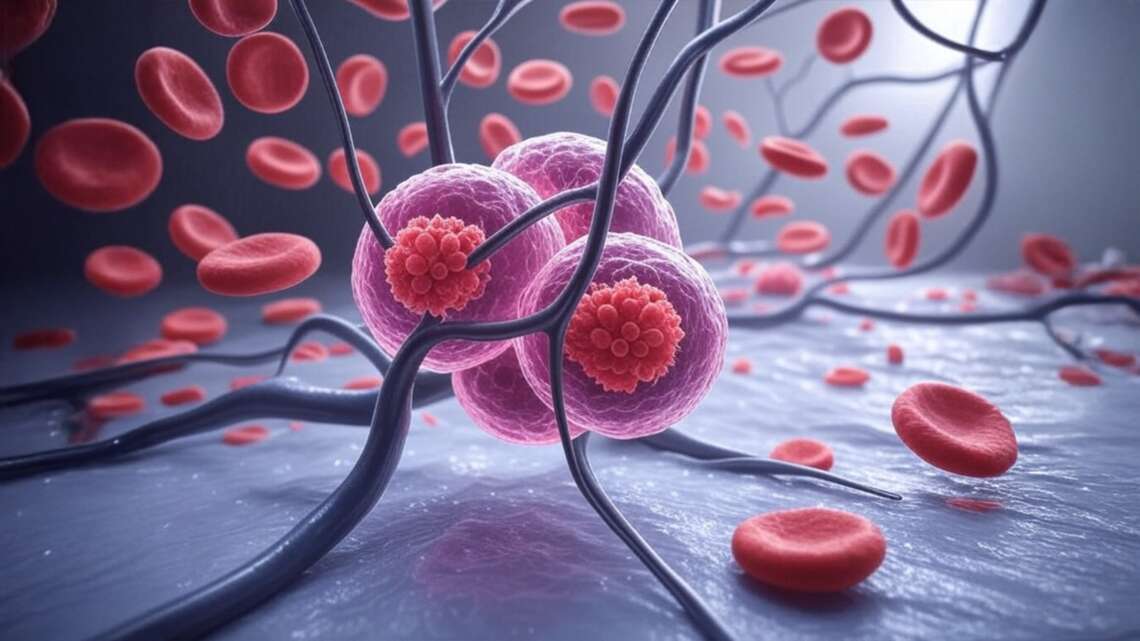
The idea is relatively straightforward: rather than exposing the entire body to an active anticancer compound, the drug is designed to switch on where it is most needed
Indian scientists have developed a promising “smart” cancer drug candidate designed to target tumour cells more selectively, potentially reducing the damage to healthy tissues that can accompany conventional cancer treatments.
The research, led by Dr Asis Bala of the Institute of Advanced Study in Science and Technology (IASST), in collaboration with Dr K.P. Bhabak of the Indian Institute of Technology Guwahati, centres on a compound called RK-251.
Unlike conventional chemotherapy drugs, which can affect both cancerous and healthy cells, RK-251 is designed to remain relatively inactive in normal tissues and become activated primarily inside cancer cells.
The approach takes advantage of a biological difference between cancer cells and healthy cells. Tumours often produce higher levels of reactive oxygen species, or ROS. These molecules are involved in cellular processes but can also cause oxidative damage when present at excessive levels.
The researchers have used this difference as a trigger for the drug candidate.
When RK-251 enters a cancer cell, elevated ROS levels are designed to activate the compound and release NBDHEX, a potent anticancer agent. The released compound can then target proteins involved in the survival and treatment resistance of several cancer cells.
The idea is relatively straightforward: rather than exposing the entire body to an active anticancer compound, the drug is designed to switch on where it is most needed.
This could potentially improve the selectivity of treatment and reduce exposure to healthy tissues. However, the research remains at an early stage and the findings should not be interpreted as evidence that the drug is ready for use in patients.
In preclinical experiments, RK-251 showed strong activity against aggressive triple-negative breast cancer cells. These cancers can be particularly difficult to treat because they lack three common molecular targets used by some existing therapies.
The researchers also observed considerably less activity against healthy cells, suggesting that the ROS-responsive mechanism may help distinguish tumour cells from normal tissue.
Further experiments were carried out using zebrafish embryos, a model commonly used in early toxicology and drug-development research. The studies did not show obvious signs of toxicity. The compound also produced the expected fluorescence when exposed to reactive oxygen species, providing additional evidence that its proposed activation mechanism was functioning as intended.
Such early findings can help researchers decide whether a drug candidate warrants further investigation. They do not, however, establish whether a treatment will be safe or effective in humans.
Before RK-251 could become a potential cancer therapy, it would need to undergo extensive laboratory testing, detailed safety assessments and carefully controlled clinical trials. Researchers would need to establish appropriate doses, understand possible side effects and determine whether the compound can selectively target tumours in the human body.
The development nevertheless highlights an important direction in modern cancer research: designing treatments that exploit the biological characteristics of tumour cells rather than attacking healthy and cancerous tissues indiscriminately.
For patients, more selective therapies could eventually mean effective cancer treatment with fewer unwanted effects. For now, RK-251 remains a preclinical drug candidate, but its targeted activation strategy offers another avenue for scientists exploring more precise approaches to cancer care.