Currently, a domestic LPG cylinder in Delhi costs Rs 913 after a Rs 60 increase, while beneficiaries under the Pradhan Mantri Ujjwala Yojana continue to pay Rs 613 per cylinder
In response to growing tensions in West Asia, the Indian government has ramped up domestic LPG production by around 25 per cent, directing the entire output toward household consumers to ensure uninterrupted cooking gas supply. The move, announced on March 11 by the Ministry of Petroleum and Natural Gas, comes amid disruptions in fuel imports through the Strait of Hormuz, a key route for nearly 90 per cent of India’s imported liquefied petroleum gas.
Officials said the order, issued on March 8, instructed refineries and petrochemical complexes to maximise LPG production. Domestic users have been prioritised, while non-household supplies are now reserved for critical sectors such as hospitals and educational institutions. A three-member committee, comprising executive directors from Indian Oil Corporation Limited, Hindustan Petroleum Corporation Limited, and Bharat Petroleum Corporation Limited, has been formed to oversee allocations to restaurants, hotels, and other commercial users to ensure fair distribution.
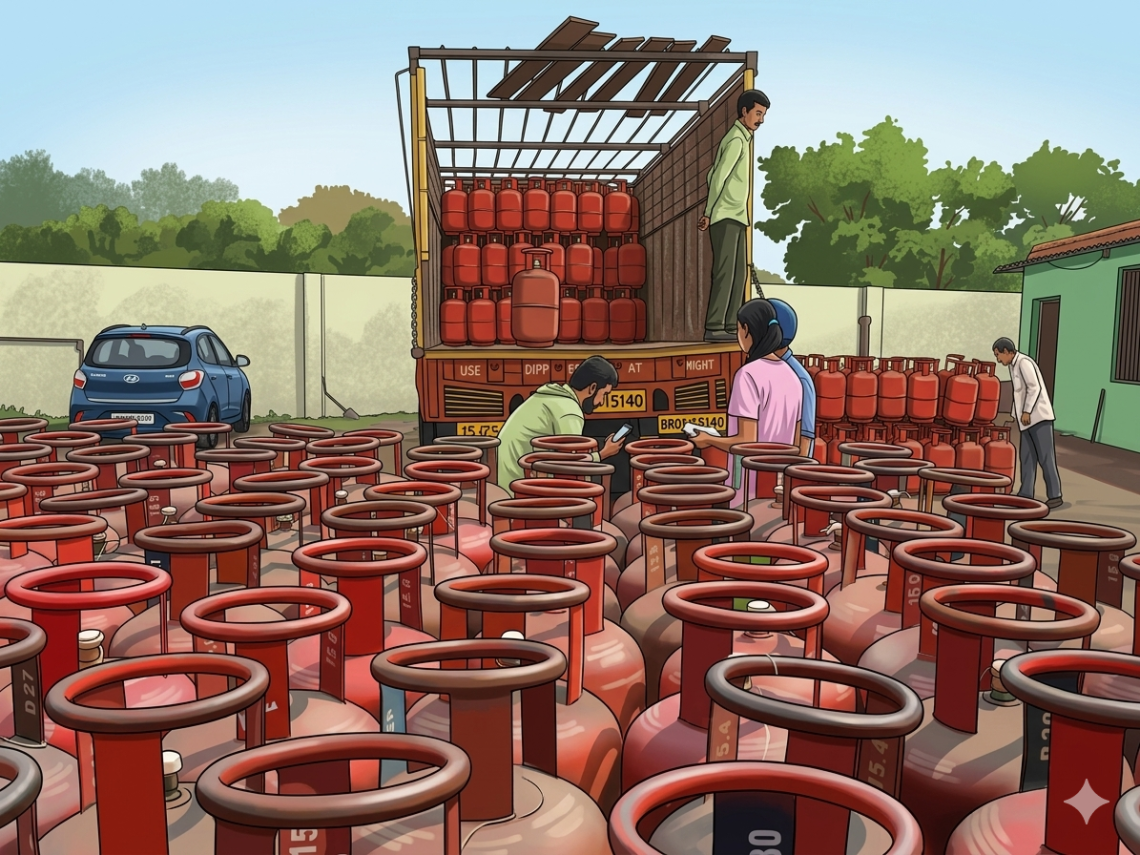
Currently, a domestic LPG cylinder in Delhi costs Rs 913 after a Rs 60 increase, while beneficiaries under the Pradhan Mantri Ujjwala Yojana continue to pay Rs 613 per cylinder. For a PMUY household, this price hike amounts to less than 80 paise per day. To support oil marketing companies, the government has approved compensation of Rs 30,000 crore for LPG under-recoveries.
Despite these measures, some panic buying and hoarding by consumers have been reported. The government has expanded the Delivery Authentication Code system to cover approximately 90 per cent of LPG consumers, preventing diversion of cylinders at the distributor level. In addition, the minimum gap between bookings has been increased from 21 days to 25 days as a temporary measure to manage demand.
India consumes around 55 lakh barrels of crude oil daily and imports from nearly 40 countries. With diversified sourcing, about 70 per cent of crude oil imports now come from routes outside the Strait of Hormuz, ensuring that overall crude supply remains secure.
However, commercial LPG users, particularly restaurants and bakeries in Chennai, are facing an acute shortage of cylinders. With domestic production prioritised for households, commercial LPG supplies have dropped sharply. Many eateries have scaled down operations, reduced menus, or switched to alternative cooking methods such as charcoal, firewood, or electric stoves.
Restaurants that normally serve multiple dishes have limited their offerings to single gravies, chutneys, or simple rice preparations such as tomato, lemon, or tamarind rice to conserve fuel. Non-vegetarian establishments have stopped serving omelettes, while tea shops have paused snacks like vada and bajji. The sudden reliance on firewood has driven up prices by Rs 500 to Rs 1,000 per ton, increasing operational costs for food businesses.
The shortage has also affected educational institutions. Hostels at colleges and universities are facing a severe lack of gas cylinders, forcing some to temporarily close accommodations while continuing academic classes online. A private medical college in Chennai announced that regular classes would remain suspended from March 12 to March 25 due to the gas shortage, though faculty and staff continue to report to campus.
Industry sources warn that if commercial LPG supplies are not restored soon, many restaurants, bakeries, and small businesses could be forced to shut down completely. While domestic households remain prioritised, the ongoing supply constraints underscore the broader economic impact of international fuel disruptions and highlight the challenges in balancing household needs with commercial demand.
The government continues to monitor the situation, assuring citizens that household LPG supplies remain secure, while commercial users hope for a quick resolution to avoid prolonged disruption.