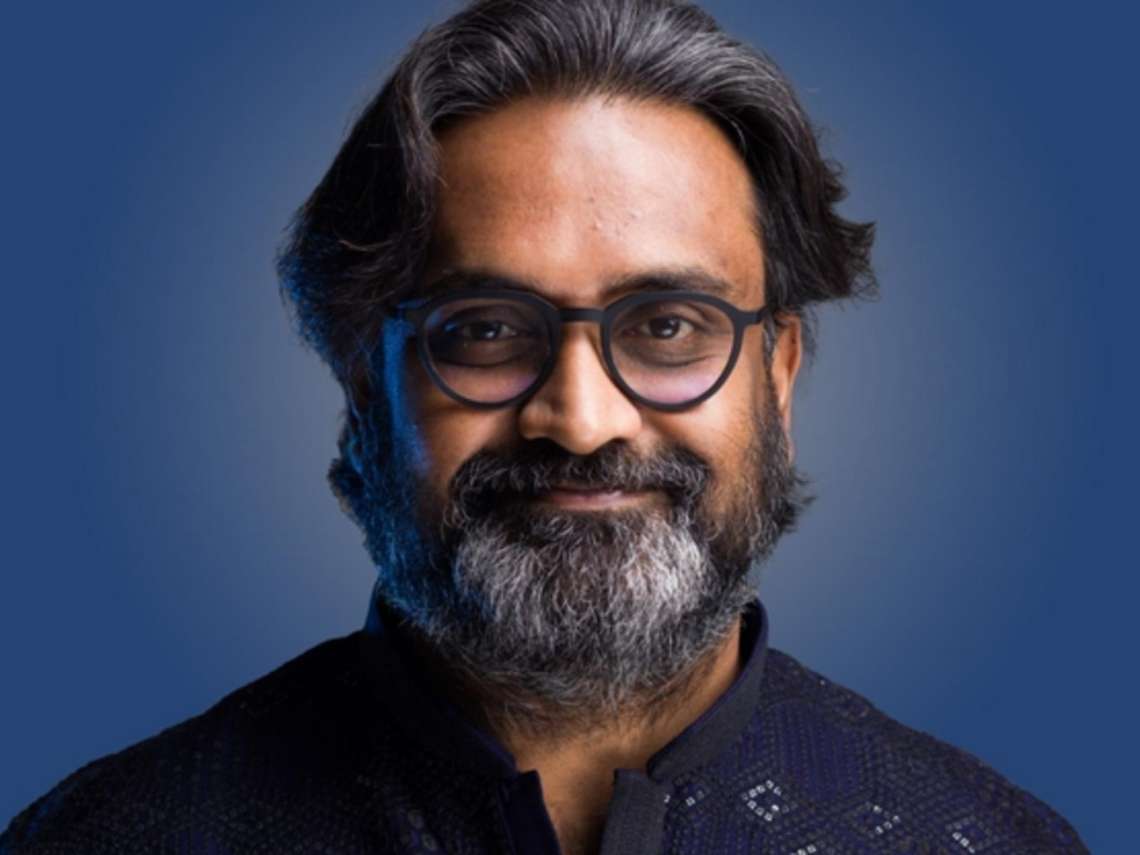
Shekhar Natarajan is reimagining artificial intelligence from the ground up, embedding virtue and compassion into its very architecture. His “Angelic Intelligence” framework challenges the reactive, metric-driven approach to AI governance and proposes a system that is ethically guided by design
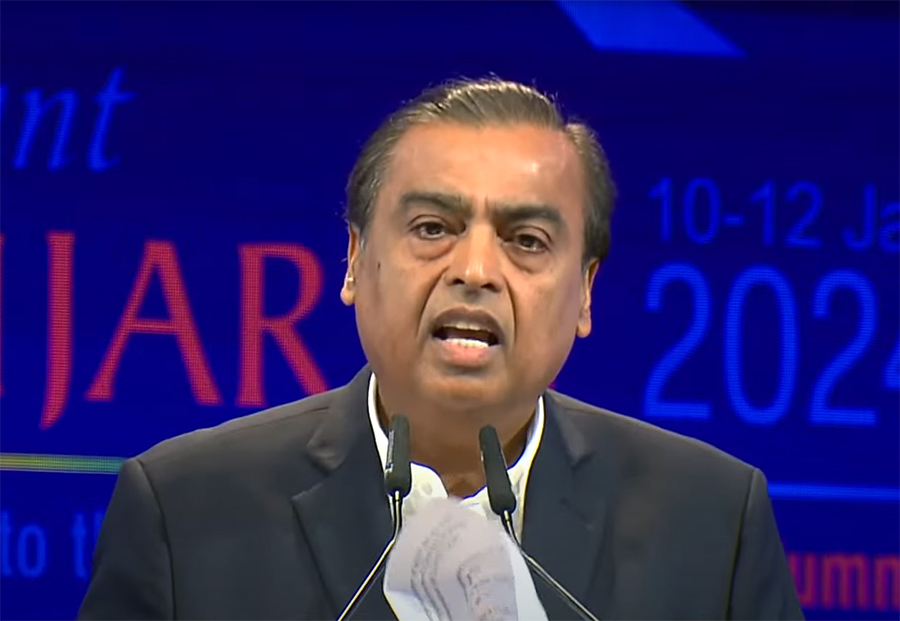
The auditorium at Bharat Mandapam, one of India’s most prestigious convention centres, fell silent in that particular way rooms do when something unexpected is about to happen. At the AI Summit on Trust, Safety, and the Future of AI Governance, Shekhar Natarajan, Founder and CEO of Orchestro.AI, took the stage. What followed was not a presentation—it was a reckoning.
Addressing policymakers, technology executives, and international journalists, Natarajan laid out his vision of “Angelic Intelligence,” a framework designed to build machines that are inherently good. “The entire world is debating how to govern AI after the fact,” he said. “Angelic Intelligence asks a fundamentally different question: how do we build a machine that is inherently good?”
Delegates responded with a standing ovation that was not polite applause, but the recognition that an outsider had articulated what insiders could not.
Natarajan’s rise first drew international attention in the UK. He appeared on the cover of The Business Influencer, celebrated for his journey from a one-room Hyderabad childhood—where his father earned the equivalent of £1.40 per month—to heading a company proposing a radical rethink of AI. His philosophy drew from Indian, Buddhist, Christian, Islamic, and Indigenous wisdom traditions. The 27 “Digital Angels” in his system each embody a virtue, from Karuna (compassion) to Satya (truth), deliberating together to ensure no unethical decisions are made.
This approach contrasts sharply with Western AI governance, which largely operates reactively: build the system, observe harms, and then apply compliance frameworks. Natarajan’s framework, by contrast, embeds virtue into the architecture itself. Using his warehouse example, a luxury handbag and a critical medical parcel sit side by side; traditional optimisation would prioritise the higher-margin item, whereas Angelic Intelligence would route the medicine first—not due to a rule, but because ethics are inherent to the system.
The roots of Natarajan’s vision are deeply personal. Degrees from Georgia Tech, MIT, Harvard Business School, and IESE gave him technical credibility, but 25 years in Fortune 500 companies revealed the blind spots of optimisation-driven systems. The decisive moment came in 2017, amid family tragedies, prompting him to ask: “What if the systems we build were designed to ask, ‘what’s the human here?’” His son Vishnu, born in 2020, crystallised this mission into urgency, shaping Orchestro.AI as a legacy of compassion rather than profit.
The framework has gained extraordinary reach. Presentations at the World Economic Forum and Davos reached hundreds of millions online, while the Global Impact Award reinforced institutional recognition. Natarajan holds over 70 patents covering the architecture, deliberation processes, escalation protocols, and human oversight, ensuring that Angelic Intelligence cannot be implemented partially or incorrectly.
As global AI governance frameworks from the EU, US, and UK are stress-tested by real-world deployments, Natarajan’s work shifts the conversation: from regulating after the fact to designing systems that behave well by construction. In his words, “Ethics starts from love.” At Bharat Mandapam, the standing ovation suggested the world is beginning to listen.