Kerala’s new government has tabled a White Paper highlighting severe strain on the state’s finances, including outstanding liabilities of Rs 5.07 lakh crore and rising expenditure pressures. The report warns that committed spending and interest payments are consuming a large share of revenue, leaving limited fiscal space for development spending…reports Asian Lite News Desk
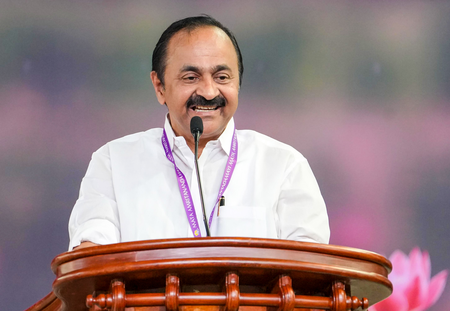
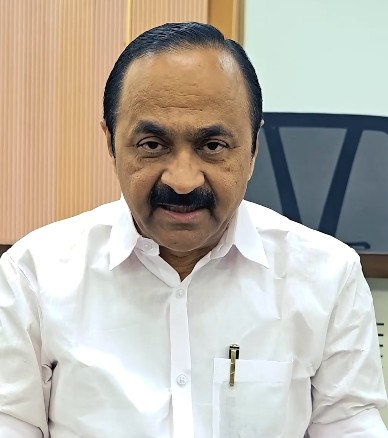
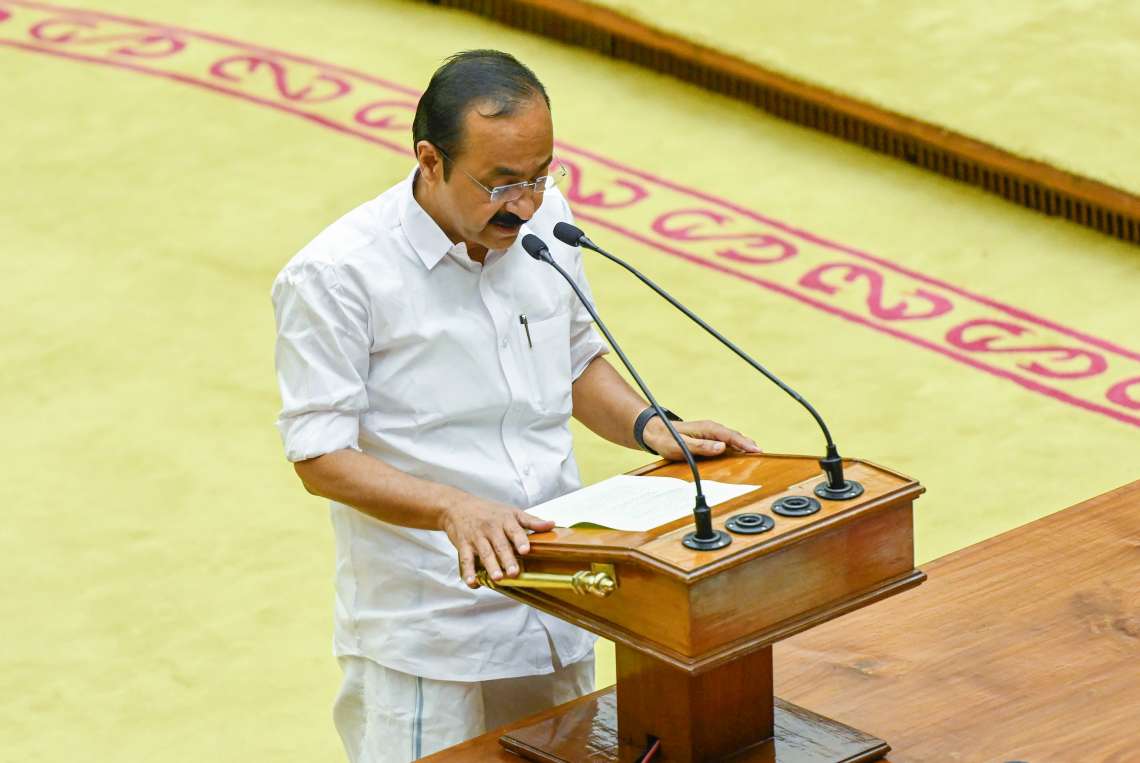
Kerala is facing significant financial stress with outstanding liabilities of Rs 5.07 lakh crore, according to a White Paper on the state’s finances presented in the Assembly on Thursday. The document, described as a Status Report on Kerala’s fiscal health, was tabled by Chief Minister V D Satheesan and said its purpose was to provide an evidence-based assessment of the current financial position and the challenges ahead, rather than revisit past decisions with criticism.
The report states that committed expenditure now accounts for around 77 per cent of total revenue receipts, while interest payments alone consume nearly 21 per cent of revenue. It also highlights what it describes as structural weaknesses in the state’s fiscal position, including declining central transfers, the end of GST compensation and revenue deficit grants, and sluggish private investment growth alongside rising expenditure commitments.
According to the White Paper, Kerala’s fiscal situation has moved away from the principle of borrowing for capital investment that can generate future growth to service debt. It notes that capital expenditure remains low at about 1.3 per cent of Gross State Domestic Product, despite the state recording one of the higher fiscal deficits among Indian states.
The government’s immediate concern, the report says, is treasury management. It states that when revenue inflows fall short of expenditure, Kerala has increasingly depended on Reserve Bank of India borrowing mechanisms. The state has reportedly been relying on Ways and Means Advances almost every year since 2015, a facility used to meet temporary mismatches in cash flow.
The report adds that the situation has worsened in recent years, with Kerala availing Ways and Means Advances for 262 days in 2025 and remaining on overdraft for 84 days. It also refers to similar reliance during the Covid-19 pandemic, when the state depended on such temporary borrowing for 234 days in 2020 and 195 days in 2021.
A key concern flagged in the document is accumulated payment arrears, estimated at Rs 48,733 crore. This includes Rs 21,670 crore in Dearness Allowance arrears, Rs 14,387 crore in Dearness Relief arrears, and Rs 3,431 crore owed to banks and contractors through bill discounting mechanisms. The report states, “This is almost equal to Kerala’s net annual borrowing,” the report observed.
The White Paper also draws attention to the financial condition of state public sector enterprises, noting that a large number are running at a loss. It says accumulated losses among public sector enterprises have increased from Rs 31,571 crore in 2021-22 to Rs 78,851 crore in 2024-25. It identifies KSRTC, KSSPL and the Kerala Water Authority as accounting for 72 per cent of net losses among these enterprises in the latest financial year.
The report further raises concerns about institutions such as KIIFB, acknowledging their role in infrastructure development but noting that they have also contributed to additional liabilities and future revenue pressures.
On revenue performance, the White Paper states that Goods and Services Tax collections remain below the national average, while central support has declined sharply over the past two years. It argues that this has intensified fiscal constraints and reduced the state’s flexibility in managing welfare commitments.
The document suggests a series of reforms, including improving revenue mobilisation, increasing efficiency in state-run enterprises and shifting welfare support from production-based subsidies to consumption-based assistance targeted at intended beneficiaries.
The White Paper concludes that Kerala now faces the dual challenge of maintaining welfare commitments while undertaking fiscal correction, at a time when public expectations remain focused on growth, development and improved services.