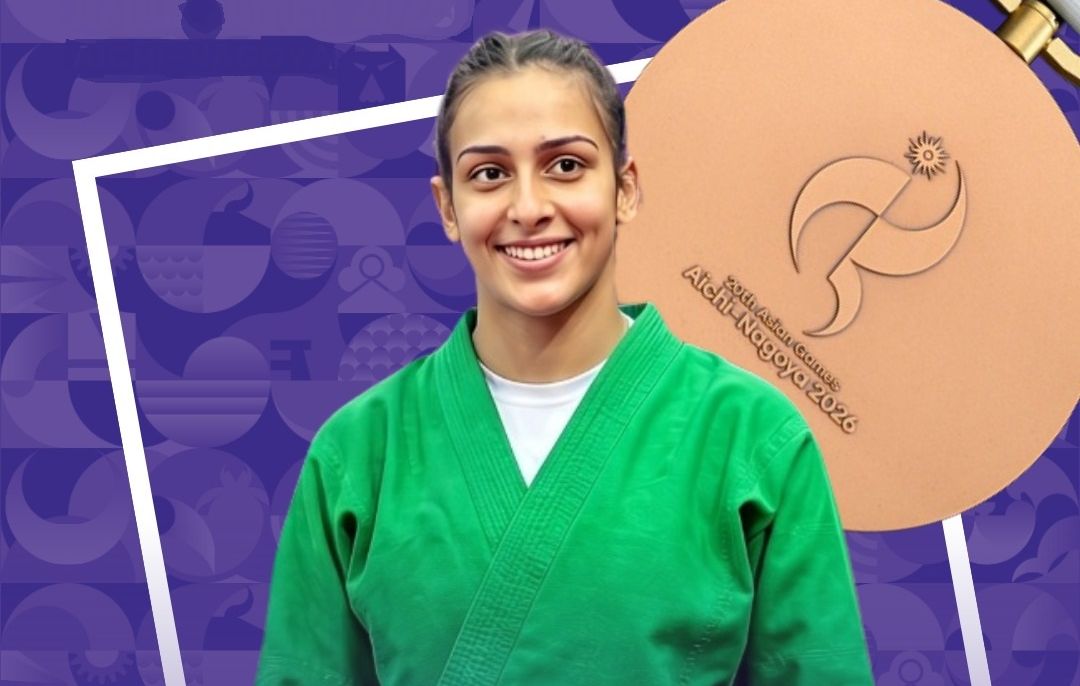
Pincky Balhara battled a knee injury to win bronze at the Asian Games, but the Indian kurash star says her career is far from over…reports Asian Lite News Desk
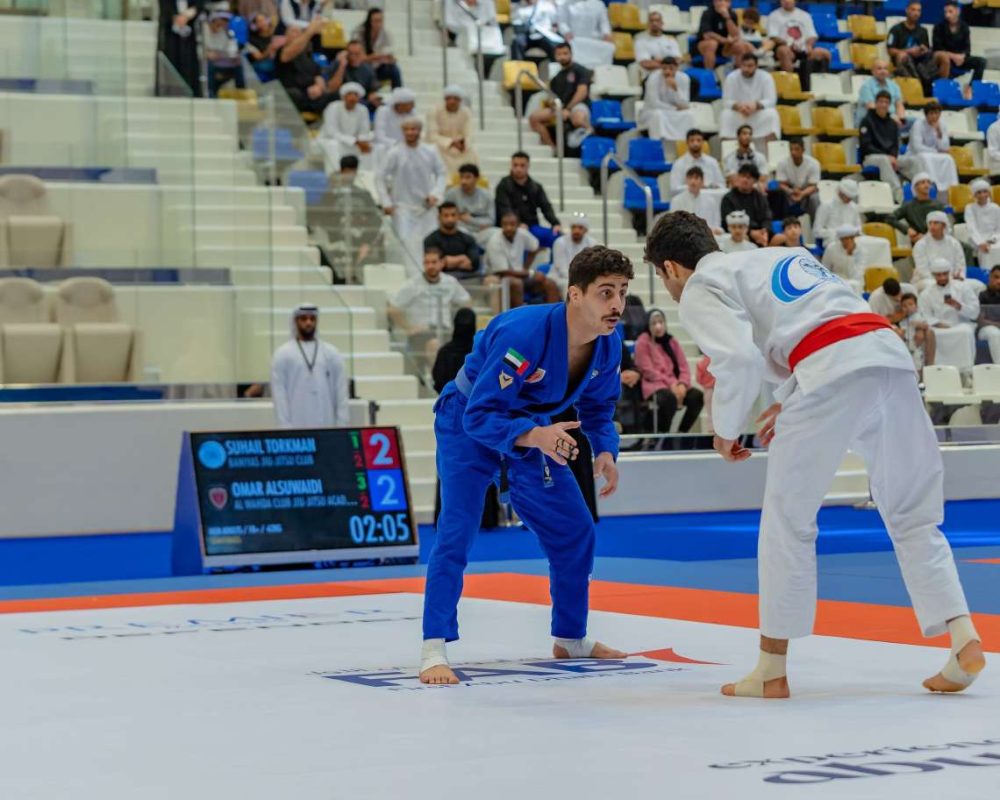
The 28-year-old Delhi athlete battled a right knee injury to win bronze in the women’s 78kg kurash competition at the 2026 Asian Games in Nagoya, securing her second medal after her silver in Jakarta in 2018.
In the semifinal, Balhara lost 5-0 to South Korea’s Sumin Mo. Her heavily strapped knee limited her movement, while Mo repeatedly targeted the injured leg.
“I was determined not to give away points. Sumin knew my weakness, and she made good use of that,” Balhara said in an interview to SAI media.
Her determination has also been forged through difficult personal circumstances. After the death of her father before the 2018 Asian Games, she faced criticism over her decision to compete.
“A section of the media said I was taking sympathy for my father’s death before the 2018 Asian Games. I proved them wrong with my medal (silver). That fire still burns in me. The blood of a Jat girl is very hot, and that is what keeps me going against adversity,” Balhara said.
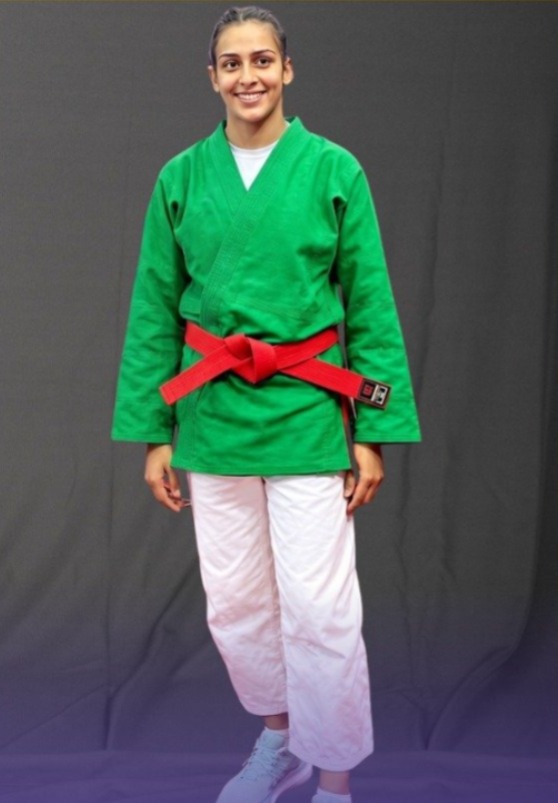
Five years after that silver, she returned to the Asian Games and added another medal. But Balhara says she is not ready to stop.
“A lot of people are saying my career is over after my third Asian Games. While I agree that the colour of the medal is not what I had aspired to, I am not stopping yet. I have worked very hard in the last eight years for this medal,” she said.
Her focus now extends beyond Nagoya. Balhara believes better preparation and international exposure can help Indian kurash athletes compete more strongly.
She remembers the benefit of the 19-day overseas training camp in Uzbekistan before the 2018 Asian Games.
“The tough training there helped. We learnt to be competitive and did that the hard way. We need more such camps before big events,” she said.
India sent a six-member kurash squad to the Aichi-Nagoya Games after a brief training camp in Saharanpur. Indian Kurash Association president Ravi Kapoor said the team needed greater international exposure and government support.
“We could have done better had our team got some international exposure and training before coming to the Games. We need a lot of support from the government. PM Narendra Modi’s vision to make sports a career option must impact our players too,” Kapoor said.
Kapoor said kurash, which began developing in an organised manner in India around 2000, needs stronger institutional backing.
“We have virtually run the association from our own pocket. We just need government support to turn the corner and do much better in the next Games,” he said.
For Balhara, the bronze is not a farewell. It is another milestone in a career she intends to continue building, and remains hungry for more.