UAE charity expands Ramadan outreach as International Charity Organisation delivers 225,000 iftar meals and thousands of food parcels to vulnerable families across more than 600 villages….reports Asian Lite News
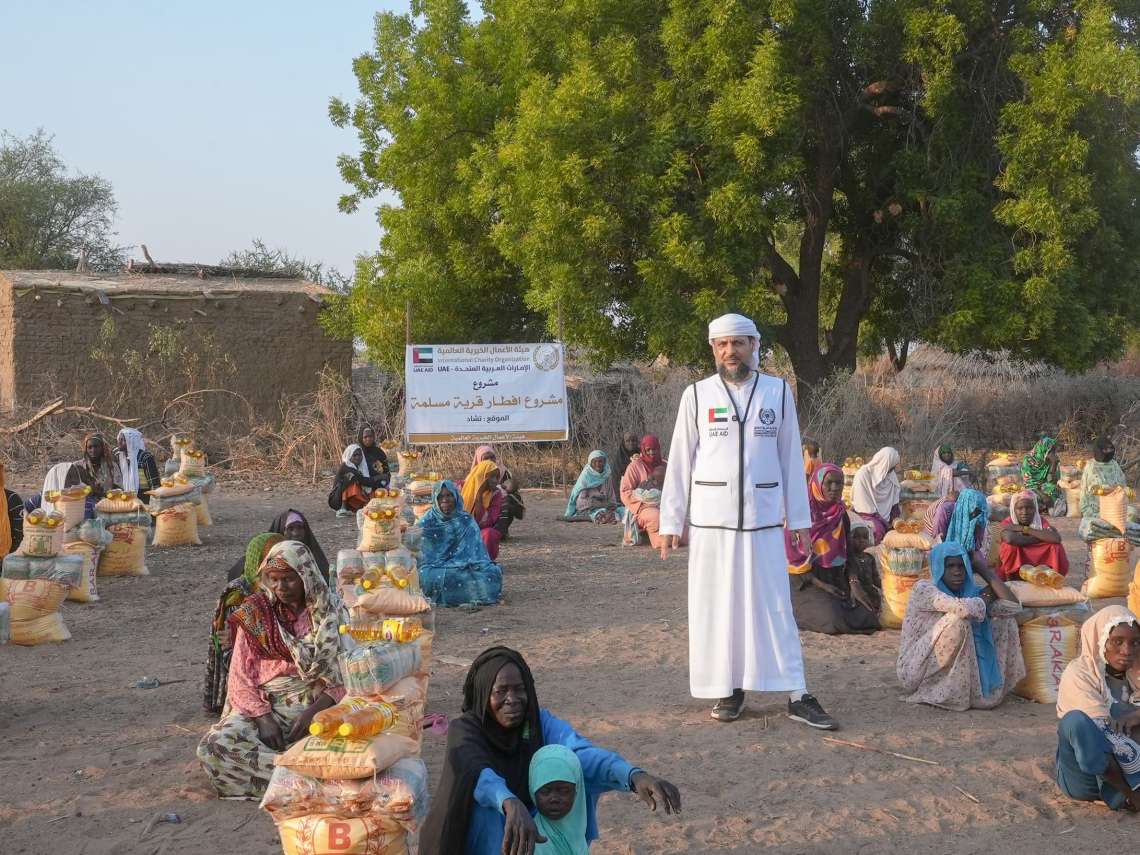
The UAE’s International Charity Organisation (ICO) has expanded its annual Ramadan outreach programme this year, delivering iftar meals and food aid to communities across hundreds of villages in several Muslim-majority countries.
According to the organisation, its Ramadan “Iftar” initiative has already reached more than 600 villages during the first half of the holy month, distributing approximately 225,000 iftar meals and more than 16,000 food parcels to families and individuals in need.
The large-scale humanitarian campaign forms part of the UAE’s wider tradition of charitable initiatives during Ramadan, when organisations and volunteers mobilise to provide food assistance and community support to vulnerable groups.
Dr Khaled Al Khaja, Secretary-General of the International Charity Organisation, said the programme reflects the UAE’s longstanding humanitarian approach and its commitment to supporting communities facing hardship.
He explained that field teams and overseas offices intensified their work from the beginning of Ramadan to ensure aid reached beneficiaries on time. The aim, he said, was to deliver assistance in a dignified and organised manner while reaching as many people as possible.
Al Khaja noted that this year’s initiative has been expanded in response to rising humanitarian needs in several regions. Conflicts, economic challenges and climate pressures have increased food insecurity in many communities, prompting the organisation to broaden the reach of its Ramadan programmes.
Alongside overseas efforts, the initiative also targets vulnerable groups within the UAE. Distribution campaigns have included support for workers and low-income families to ensure that those living and working in the country are also able to benefit from the spirit of generosity associated with Ramadan.
The organisation said the programme is implemented through coordinated mechanisms with relevant authorities in beneficiary countries. These partnerships help ensure that aid is distributed efficiently and reaches those most in need, while also complying with local regulations and international humanitarian standards.
To strengthen accountability and effectiveness, the charity has introduced field monitoring systems to evaluate the delivery process and measure the impact of its programmes. These systems allow the organisation to track distribution, assess community needs and improve future humanitarian operations.
Beyond the iftar initiative, the International Charity Organisation continues to implement a range of Ramadan and year-round humanitarian projects. These include Zakat distribution programmes, Eid clothing campaigns for children and families, and emergency assistance for urgent humanitarian cases.
The organisation is also involved in longer-term development projects aimed at improving living conditions in underserved communities. These initiatives include building mosques, schools and homes, establishing health centres and drilling wells to provide access to clean water.
Al Khaja expressed appreciation to donors and supporters both within the UAE and abroad, noting that their contributions have enabled the organisation to reach millions of beneficiaries over the years.
He also encouraged continued charitable giving during the remainder of Ramadan, emphasising that such support helps extend assistance to more communities and strengthens humanitarian efforts across the world.
With weeks still remaining in the holy month, the organisation said it will continue its outreach programmes, aiming to bring relief and support to thousands more families as Ramadan progresses.